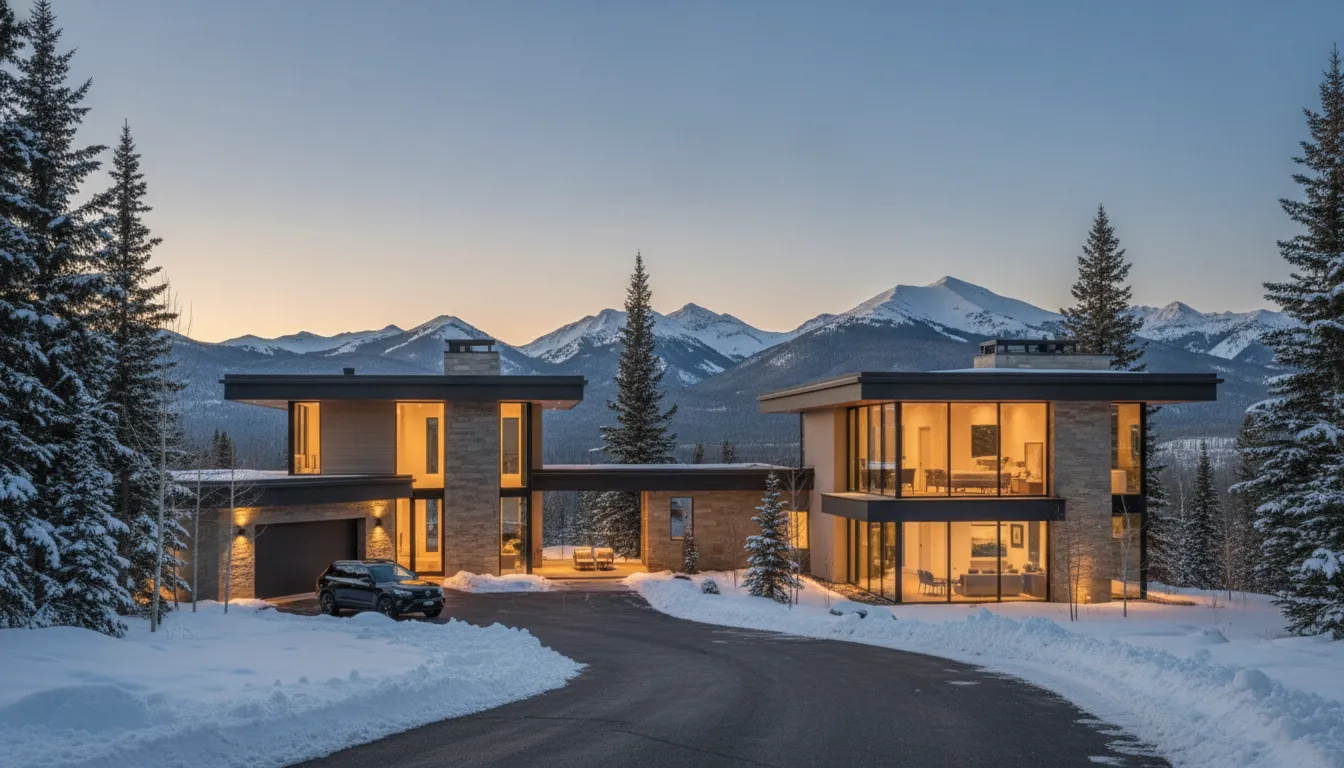


Think of your investment strategy as a road trip. A conventional loan is like a reliable sedan, perfect for smooth, predictable highways. But when you’re venturing into the dynamic world of luxury real estate investing in a place like Park City, you need something built for more rugged terrain. A DSCR loan is your specialized, all-terrain vehicle. It’s engineered for one purpose: to get you to your destination by focusing on the property’s performance, not your personal income. This allows you to handle the unique challenges of seasonal income and complex valuations with ease. But just like any high-performance machine, you need an expert mechanic. This guide will help you find the best dscr loan lenders for luxury vacation homes who can tune your financing for optimal performance.
If you’re looking to invest in a luxury vacation property, you’ve likely focused on your personal income and credit score. But what if there was a loan that cared more about the property’s earning potential than your W-2? That’s where a DSCR loan comes in. DSCR stands for Debt Service Coverage Ratio, and it’s a game-changer for real estate investors.
These loans are designed to help you get financing based on how much income a property is expected to generate, not on your personal salary. This makes them incredibly appealing if you're self-employed, want to hold properties in an LLC, or already have a growing portfolio of rentals. Instead of digging through years of your personal tax returns, the lender focuses on the property’s cash flow. This streamlined approach is a core part of how it works and can make the path to securing your Park City investment property much smoother. For investors, this means your property’s performance is what truly matters.
So, how do you figure out this magic number? The formula is simple: you divide the property's annual net operating income by its total annual mortgage debt. A DSCR of 1.0 means the property’s income is just enough to cover the mortgage payments. Anything below 1.0 indicates a potential shortfall.
Most lenders want to see a DSCR between 1.0 and 1.25, as a higher ratio shows there’s a comfortable cushion to cover payments, making it a lower-risk investment for them. For example, if your Park City condo is projected to bring in $80,000 a year in rental income and your annual mortgage payments are $64,000, your DSCR would be 1.25 ($80,000 / $64,000).
With a DSCR loan, the "income" that qualifies your loan isn't your salary; it's the rental income the property generates. This can be from long-term tenants or, more commonly for a place like Park City, short-term vacation rentals on platforms like Airbnb and Vrbo. Lenders will use an appraiser's assessment of projected rental income to determine the property's cash flow potential.
This is a huge advantage for investors looking to expand their portfolios. While conventional loans often cap you at around 10 financed properties, DSCR loans don't have the same limitations. This flexibility allows you to continue growing your real estate investments without being held back by traditional lending rules. It’s an ideal financing tool for anyone serious about building a portfolio of luxury properties with Utah's Mortgage Pro.
If you’re an investor, you know a great opportunity when you see one. A DSCR loan is designed with that exact mindset. Instead of getting bogged down in your personal pay stubs and tax returns, this loan qualifies a property based on its own income-generating potential. It’s a straightforward, business-minded approach to financing that treats your investment like the asset it is. For anyone looking to purchase a luxury vacation home in a high-demand area like Park City, this can be a game-changer, allowing you to act quickly when the right property comes along.
This type of financing is built for speed and simplicity, cutting through the red tape that often complicates conventional mortgages for investment properties. The entire loan process is streamlined to help you secure your property and start generating returns faster. Because the focus is on the property’s cash flow, it’s an ideal tool for expanding your real estate portfolio without having your personal debt-to-income ratio scrutinized. It’s about what the property can do, not just what your W-2 says. This is especially helpful for seasoned investors who may have multiple mortgages already, as a DSCR loan typically won't appear on your personal credit report in the same way. It allows you to scale your investments more freely.
One of the biggest advantages of a DSCR loan is that it allows you to bypass the traditional personal income verification process. Lenders qualify the loan based on the property's ability to generate enough income to cover its debt obligations. This is a huge benefit for self-employed borrowers, real estate investors with multiple properties, or anyone whose income doesn't come from a standard 9-to-5 job. If you have a complex but strong financial portfolio, a DSCR loan offers a much smoother path to approval by focusing on the investment's viability instead of your personal tax documents.
Serious investors often prefer to hold properties in a Limited Liability Company (LLC) for liability protection and organizational benefits. Many conventional loan programs don't allow this, forcing you to purchase the property in your personal name. DSCR loans are different. They are specifically designed to accommodate investors, making it easy to secure financing for a property held within your LLC. This flexibility allows you to keep your personal and investment assets separate while building your portfolio, a key strategy for long-term growth and protection.
DSCR loans are perfectly suited for financing short-term rentals, like an Airbnb or VRBO in Deer Valley or Canyons Village. Because the loan focuses on the property’s income potential, it’s an ideal match for the dynamic, often seasonal, revenue of a luxury vacation home. Lenders who understand the local market can accurately project a property's potential rental income, from ski season peaks to summer festival weekends. This makes it possible to get financing even if your personal finances are complex. Reading through client reviews can give you confidence that you're working with a lender who truly understands the local investment landscape.
When you apply for a DSCR loan, the lender’s perspective shifts. Instead of scrutinizing your personal pay stubs and tax returns, they focus on the property itself. Think of it this way: they are evaluating a business investment, and the property is the business. The main question they want to answer is, "Will this property generate enough income to pay for itself?"
Because DSCR loans qualify properties based on their cash flow rather than your personal income, the lender’s analysis centers on the asset’s potential. They will look at projected rental income, vacancy rates, and operating expenses to determine if the investment is sound. This approach is what makes DSCR loans so appealing to real estate investors, as it allows you to scale your portfolio based on the strength of your deals, not just your W-2 income. Lenders are looking for a clear, data-backed case that the home you’re buying is a profitable venture.
Most lenders want to see a DSCR between 1.0 and 1.25. A ratio of 1.0 means the property’s income exactly covers its debt payments, which is the bare minimum. A ratio of 1.25 is much healthier, as it shows the property brings in 25% more income than its expenses, providing a nice cushion for vacancies or unexpected repairs.
Generally, a higher DSCR means better loan terms, so it’s in your best interest to aim high. While some lenders might dip lower, perhaps accepting a ratio of 0.75 for certain properties, this is less common in the luxury market. For a high-value vacation home in a place like Park City, lenders will want to see a strong, positive cash flow from the start.
Even though your personal income isn't the focus, your financial history still matters. Lenders will look at your credit score to gauge your reliability as a borrower. While you might find programs that accept a score as low as 640, a stronger credit history will always open more doors and secure better rates, especially for jumbo loans on luxury properties.
You should also be prepared for a significant down payment. Most DSCR loan programs require 20–25% down, which is standard for investment properties. This shows the lender you have skin in the game and are committed to the investment's success. For a luxury vacation home, this upfront investment is a key part of the financing puzzle.
The appraisal is one of the most critical steps in the DSCR loan process. Unlike a standard appraisal that just determines a home's market value, this one also includes a detailed rental analysis. The appraiser will research comparable rental properties in the area to project your potential rental income. This projection is what the lender uses to calculate your DSCR, so its accuracy is essential.
To support this, you should come prepared with your own income projections, especially for a short-term rental. Gather data from platforms like AirDNA or Mashvisor to build a strong case for your property's income potential. A local lender with experience in the Park City or Deer Valley market can connect you with appraisers who truly understand the value and rental demand for luxury ski properties, ensuring the property makes enough money to cover its loan payments.
Finding the right lender is just as important as finding the right property. You need a partner who understands your goals and the unique demands of financing a luxury vacation home with a DSCR loan. Different lenders have different strengths, from deep local knowledge to lightning-fast closing times. To help you find the perfect fit, here’s a look at some of the top DSCR lenders so you can confidently choose the right team for your Park City investment.
When you're buying in a market as unique as Park City, local expertise isn't just a bonus—it's essential. Rodrigo Ballon and his team at Utah's Mortgage Pro specialize in the local luxury market, from Deer Valley to Promontory. They have a deep understanding of property values and rental potential in the area, which is invaluable for a DSCR loan. Because they focus on jumbo loans for second homes and investment properties, their entire process is built for investors like you. They excel at creating tailored financing solutions that align with your specific goals, making them the go-to choice for a high-touch, expert-guided experience right here in Utah.
If you're looking for a flexible national lender, LendingOne is a strong contender. They are known for having a low Debt Service Coverage Ratio (DSCR) requirement, which can go as low as 0.75. This simplifies the approval process, as they may approve a loan even if the property's income doesn't yet cover the full mortgage payment. This is a huge advantage for new rentals or properties you plan to renovate. With both fixed and adjustable rates and terms up to 30 years, they offer a range of flexible options for financing your luxury vacation home.
Easy Street Capital lives up to its name with its EasyRent loan program, designed specifically for rental property investors. One of their most attractive features is the ability to finance up to 80% of the property's value. This allows you to keep more of your capital free for other investments, furnishings, or renovations. With competitive interest rates, their DSCR loans are tailored for individuals looking to purchase or refinance rental properties, including high-end vacation homes. Their focus on landlords and investors makes them a streamlined choice for building your real estate portfolio.
In a competitive real estate market, speed can make or break a deal, and that's where Griffin Funding shines. They are recognized for a fast and flexible lending process, with approvals in as little as one to two days and funding in under a week. This can give you a serious edge when making an offer. With loan amounts up to $4 million, they are well-equipped to handle financing for luxury properties in Park City. Their flexible criteria consider your overall financial picture, making them a great option for investors who need to move quickly.
Visio Lending has carved out a niche by focusing exclusively on loans for rental investors, making them a go-to for those purchasing a property with an established income stream. Their standardized approval process provides a clear and consistent path to funding, which is ideal if your target vacation home is already a successful short-term rental. This specialization means they understand the nuances of income-producing properties. For investors who value a predictable and reliable experience, Visio Lending is a solid choice that is trusted by long-term rental investors across the country.
When you’re looking at financing an investment property, the numbers have to make sense. DSCR loans are designed around this principle, but the specific rates and terms can differ from one lender to another. Understanding the moving parts helps you see the bigger picture and find a loan that fits your strategy for a Park City vacation home. Let’s break down what you can generally expect when it comes to interest rates, loan-to-value ratios, and payment structures.
DSCR loan interest rates tend to be slightly higher than those for a conventional primary residence mortgage, but they are still very competitive. While the market is always changing, you can often find rates in a predictable range. The key is to work with a lender who can clearly explain the associated costs, including any origination, appraisal, or underwriting fees.
When it comes to how much you can borrow, lenders use the loan-to-value (LTV) ratio. For a purchase or a rate-term refinance, you can often finance up to 80% of the property’s value. If you’re looking to do a cash-out refinance to pull equity from an existing investment, the LTV might be closer to 75%. This gives you significant leverage while ensuring the loan remains a sound investment for everyone. You can always check with us for the most current rates and LTV options.
You’ll likely have the option to choose between a fixed-rate loan and an adjustable-rate mortgage (ARM). A fixed rate locks in your interest rate for the entire life of the loan, giving you predictable monthly payments. This is a great option if you plan to hold onto your Park City property for the long haul and prefer stability.
An ARM, on the other hand, typically offers a lower initial interest rate for a set period (like 5, 7, or 10 years) before adjusting based on market conditions. This can be an excellent strategy if you plan to sell the property or refinance before the fixed period ends. The right choice depends entirely on your investment goals, and it’s a conversation worth having with your mortgage advisor as you explore how it works.
One of the most attractive features of some DSCR loans is the option for interest-only payments. Many lenders offer an interest-only period, sometimes for up to the first 10 years of the loan. During this time, your monthly payment only covers the interest accruing on the loan, not the principal balance.
This structure can significantly lower your monthly payments in the initial years of ownership, which is a powerful tool for maximizing your cash flow. It frees up capital that you can then reinvest into the property or use for other opportunities. An interest-only option allows you to fully leverage the income-generating potential of your vacation rental right from the start.
The word "better" really depends on your goals, but for real estate investors, DSCR loans often have a clear advantage over conventional financing. While a conventional loan is the standard for buying a primary home, its rules can be restrictive when you’re purchasing an investment property, especially in a high-value market like Park City.
The biggest difference is what the lender evaluates. A conventional loan requires a deep look into your personal finances, including tax returns, pay stubs, and your personal debt-to-income (DTI) ratio. A DSCR loan, on the other hand, qualifies a property based on its ability to generate cash flow. If the luxury condo or ski-in/ski-out home you’re buying can produce enough rental income to cover the mortgage and expenses, your personal income becomes much less of a factor. This is a huge benefit for self-employed individuals and portfolio investors whose finances might look complex on paper.
This property-centric approach also makes it much easier to grow your real estate portfolio. With conventional loans, your personal DTI can quickly limit how many properties you can finance. Because DSCR loans aren't tied to DTI, you can qualify for multiple loans as long as each property has a strong income stream. The approval process is also typically more streamlined since it doesn't require as much personal documentation. For investors who prefer to hold properties in an LLC for asset protection, DSCR loans are an ideal solution, as many conventional lenders will not lend to a business entity. While a conventional loan might occasionally have a slightly lower rate, the flexibility and scalability of a DSCR loan often make it the smarter choice for building wealth through real estate.
DSCR loans are an incredible tool for real estate investors, but it’s smart to go in with your eyes wide open. Like any specialized financial product, they come with their own set of unique challenges. Thinking about these potential hurdles ahead of time is the best way to ensure a smooth and successful process. The good news is that none of these are deal-breakers; they are simply points to prepare for. With the right strategy and a knowledgeable partner, you can clear them with confidence.
For investors eyeing the dynamic Park City market, these considerations are especially important. From the seasonal ebb and flow of rental income to the nuances of valuing a luxury ski-in/ski-out property, local factors play a huge role. Let's walk through some of the most common hurdles you might encounter and, more importantly, discuss the practical steps you can take to overcome them. This preparation will not only strengthen your loan application but also make you a more savvy and successful property investor in the long run.
In a market like Park City, rental income isn't a flat line; it’s a series of exciting peaks and quiet valleys. Traditional lenders often struggle with this, as they're used to seeing stable, 12-month leases. This is where many investors hit a wall, since most short-term rentals can't meet that rigid requirement.
The key is to partner with a DSCR lender who understands and specializes in vacation rental markets. Instead of relying on long-term lease agreements, they will use projected rental income data from trusted sources like AirDNA or a detailed appraisal report. An experienced local lender can expertly demonstrate your property's true income potential by accounting for seasonal income fluctuations, ensuring your application reflects the reality of a thriving vacation rental.
One of the first things you'll notice about DSCR loans is the requirement for a higher down payment. Because the lender is qualifying the loan based on the property’s income instead of your personal finances, they want to see that you have significant skin in the game. It’s their way of securing the investment on their end.
You should plan for a down payment of at least 20% to 25%. The exact amount can vary based on your credit score, the property type, and the final DSCR calculation. Instead of seeing this as a barrier, think of it as the foundation of your investment. A larger down payment can also lead to better loan terms and a more favorable interest rate, setting your property up for stronger cash flow from day one.
The entire DSCR loan hinges on one simple ratio, but getting the numbers right can be tricky. The most common mistakes investors make are overestimating potential income and, even more frequently, underestimating expenses. It’s easy to forget about costs like snow removal, higher utility bills during peak season, deep cleaning between guests, or the specific HOA fees for a luxury condo in Canyons Village.
To clear this hurdle, be ruthlessly realistic. Create a detailed spreadsheet of every possible expense. Lean on your real estate agent and a local mortgage expert like Utah's Mortgage Pro to verify your projections against actual market data. A well-researched and conservative estimate shows the lender you’ve done your homework and are prepared for the realities of property ownership.
Appraising a luxury vacation home in a place like Deer Valley is more art than science. It’s not just about square footage and finishes; it’s about the property’s ability to generate income. The appraiser must assess its desirability, proximity to amenities, and rental history compared to similar properties. This adds a layer of complexity that you don't find with a standard home loan.
Some lenders who are unfamiliar with the area might struggle with these complex property valuations, leading to appraisal gaps or delays. The solution is to work with a lender who has a deep bench of appraisers with proven experience in the Park City luxury market. These professionals understand the unique value drivers and can produce a comprehensive report that satisfies the lender’s requirements and accurately reflects your investment’s worth.
DSCR loans are a fantastic tool for real estate investors, but they're often surrounded by a bit of confusion. If you've heard things that made you hesitant, you're not alone. Let's clear the air and bust a few of the most common myths so you can move forward with confidence.
This is one of the biggest misconceptions out there. You absolutely do not need a massive real estate portfolio to qualify for a DSCR loan. In fact, these loans are an excellent vehicle for purchasing your very first investment property. The focus is on the property's income potential, not the number of doors you already own. Lenders are more interested in whether your prospective Park City condo can generate enough rent to cover the mortgage payment. This makes it a powerful and accessible option for new and seasoned investors alike, allowing you to start or expand your portfolio based on a solid investment opportunity.
This myth couldn't be further from the truth. DSCR loans are practically tailor-made for financing short-term rentals, like an Airbnb or VRBO in Deer Valley. Because the loan qualification is based on the property's cash flow instead of your personal W-2 income, it’s a perfect fit for the vacation rental model. This is especially helpful because many savvy investors have significant tax write-offs that can reduce their reported personal income. A DSCR loan looks past that, focusing on what the property itself earns. This allows you to secure financing for a high-performing short-term rental property even when a conventional loan might not work.
Many investors assume a specialized loan like this must come with a mountain of paperwork, but the opposite is often true. The DSCR loan approval process can be surprisingly straightforward, and often simpler than a conventional mortgage. Since the lender's primary concern is the property's income-generating ability, there's less focus on your personal employment history and tax returns. The underwriting is centered on the appraisal and the property's projected rental income. When you work with an experienced lender, the entire loan process becomes even more efficient, helping you close on your investment property without unnecessary delays or headaches.
Finding the right DSCR lender is about more than just securing a loan; it’s about finding a partner who understands your investment goals. This is especially true when you’re purchasing a high-value property in a unique market like Park City. Different lenders offer varied terms, rates, and levels of service. To make the best choice for your luxury vacation home, you’ll want to focus on a few key areas. By comparing lenders on these specific points, you can find one that not only approves your loan but also helps set your investment up for success from day one. Let's walk through what to look for.
It’s easy to get focused on the interest rate, but the best deal is often found by looking at the complete financial picture. Lenders have different rules for approval, and their fee structures can vary widely. When you get a quote, ask for a full breakdown that includes not just the interest rate but also origination fees, underwriting costs, appraisal fees, and any other closing costs. Getting a clear view of all associated rates and fees helps you accurately calculate your long-term return on investment and avoid any surprises at closing. A transparent lender will be happy to walk you through every line item.
In a competitive real estate market, time is everything. A seller with a luxury property isn’t likely to wait around for slow financing. When vetting lenders, one of the most important questions you can ask is, "How fast can you close?" While a typical DSCR loan can take 21 days or more, some lenders can get it done in as little as 10. A lender who offers a streamlined loan process can give you a significant advantage, allowing you to make stronger offers and secure your property without unnecessary delays. This speed is often a sign of an efficient, well-organized team.
A national lender might offer DSCR loans, but do they understand the specifics of owning a ski-in/ski-out condo in Deer Valley or a luxury home in Promontory? A lender with deep local expertise is invaluable. They understand the seasonal income patterns, property valuation nuances, and market trends that are unique to your area. Make sure any lender you consider is licensed to operate in Utah and has a proven track record with properties like yours. A loan officer who truly understands the local investment landscape can provide guidance that goes far beyond simply processing your application, helping you make smarter decisions.
A strong DSCR loan application is all about telling a clear, compelling story of your property's investment potential. While lenders focus on the numbers, you have a lot of control over how those numbers are presented. Taking a few proactive steps can make the difference between a quick approval and unnecessary delays. By preparing your documentation, understanding your property's key metrics, and thinking through your long-term strategy, you can present a polished application that gives lenders the confidence to say yes.
With a DSCR loan, the property is the star of the show, not your personal W-2. Because DSCR loans qualify properties based on their cash flow rather than your personal income, your financial documentation needs to paint a clear picture of the property's ability to generate revenue. Before you even apply, gather all relevant paperwork. This includes existing lease agreements, a detailed rental history if you have one, and projected income based on comparable short-term rentals in the area. You’ll also need statements for property taxes, insurance, and any HOA fees. Organizing these documents into a clean package shows you’re a serious, prepared investor and helps streamline the loan process.
Your Debt Service Coverage Ratio is the single most important metric in your application. A higher DSCR signals lower risk to lenders, making your loan more attractive. Most lenders look for a DSCR between 1.0 and 1.25, meaning the property’s income should be at least equal to or slightly greater than its expenses. Before submitting your application, calculate this figure yourself. This simple step ensures there are no surprises and allows you to present your property’s financial performance confidently. If your ratio is on the lower end, a mortgage expert can help you identify ways to account for all potential income or reduce expenses to strengthen your numbers and find competitive rates.
A successful investment goes beyond securing the loan; it involves smart, long-term management. Lenders appreciate seeing a solid plan. Will you manage the property yourself or hire a professional firm? A good property manager can help maximize occupancy and rental income, which directly supports a healthy DSCR. It’s also wise to consider the tax implications of your investment property. Understanding how to properly account for rental income and expenses is key to maintaining profitability. By showing you’ve thought through these details, you demonstrate that you’re not just buying a property, but are building a sustainable investment for the future. You can find answers to more specific questions on our FAQs page.
Is a DSCR loan the right choice if I have a great credit score and a high W-2 income? Even if you can easily qualify for a conventional loan, a DSCR loan might be a smarter strategic move for an investment property. It allows you to purchase the home through an LLC, which provides a layer of personal liability protection you don't get when buying in your own name. It also keeps the property's debt separate from your personal finances, which can make it easier to secure financing for future investments without impacting your personal borrowing ability.
How does a lender determine the "income" for a brand-new vacation rental that has no rental history? This is a very common scenario, and lenders have a clear process for it. They rely on a specialized appraisal that includes a detailed rental analysis. The appraiser researches comparable short-term rentals in the area, using data from platforms like AirDNA, to create a reliable projection of your property's potential annual income. This data-driven forecast is what they use to calculate the DSCR, so you don't need an existing rent roll to qualify.
Will taking out a DSCR loan affect my ability to get a mortgage for my primary home later? Generally, a DSCR loan has less impact on your personal borrowing power than a conventional investment property loan. Because these loans are often made to a business entity (your LLC) and are underwritten based on the property's cash flow, they typically do not appear on your personal credit report in the same way. This helps preserve your personal debt-to-income ratio, leaving you with more flexibility to qualify for other loans, like a mortgage for a primary residence or a second home.
Why are the down payment requirements for DSCR loans higher than for a primary home? The higher down payment, usually 20 to 25 percent, is standard for investment properties and reflects the nature of the loan. Since the lender is qualifying the property based on its own income potential rather than your personal salary, they want to see that you are a committed partner in the investment. A larger down payment demonstrates you have significant "skin in the game," which reduces the lender's risk and shows you are serious about the property's success.
Do I really need a local lender for a DSCR loan in Park City? While any national lender can process a loan, a local expert provides a distinct advantage in a unique market like Park City. A local mortgage pro understands the seasonal income fluctuations of a ski town and has relationships with appraisers who know how to accurately value a luxury ski-in/ski-out property. This local knowledge is critical for building a strong application and ensuring the appraisal accurately reflects the property's true income potential, leading to a much smoother process from start to finish.