
You’re deep into your Park City property search, exploring neighborhoods that fit your lifestyle. You type “Blackhawk Station” into your search bar, expecting to find listings for beautiful single-family homes in Kimball Junction. Instead, your screen fills with articles about natural gas facilities, cogeneration systems, and a power grid in Texas. This can be jarring and immediately raises questions. Are these places related? How could this affect property values? We’re here to put those concerns to rest. This guide will walk you through the different locations, so you can confidently separate the residential community from the industrial sites.
When you hear the name "Blackhawk Station," what comes to mind? If you're looking for a home in Park City, you’re probably picturing a serene mountain community. But a quick online search might show you something completely different: industrial power plants in Texas. This shared name can cause some real confusion for homebuyers and investors. Let's clear things up by breaking down the different locations, so you know exactly which Blackhawk Station is the peaceful residential neighborhood you're looking for.
First, let's get the industrial sites out of the way. In Borger, Texas, you'll find the Black Hawk Station, an operating power station that generates at least 244 megawatts of energy. This facility is a key part of the state's power grid and has absolutely no connection to the residential community in Utah. When you see mentions of megawatts, emissions, or heavy industrial operations tied to the name, it's a safe bet you're reading about the Texas plant. Knowing this distinction is the first step in focusing your property search on the right location.
Adding to the potential for confusion is another industrial facility with a similar name. The Blackhawk Power Station is a cogeneration facility located within the WRB Refinery. Cogeneration is an efficient industrial process that produces both electricity and useful heat from a single fuel source. This plant is a purely industrial site focused on energy production. It’s important for buyers to differentiate these energy-focused facilities from the residential community that happens to share the name, ensuring your search for a luxury home stays on track.
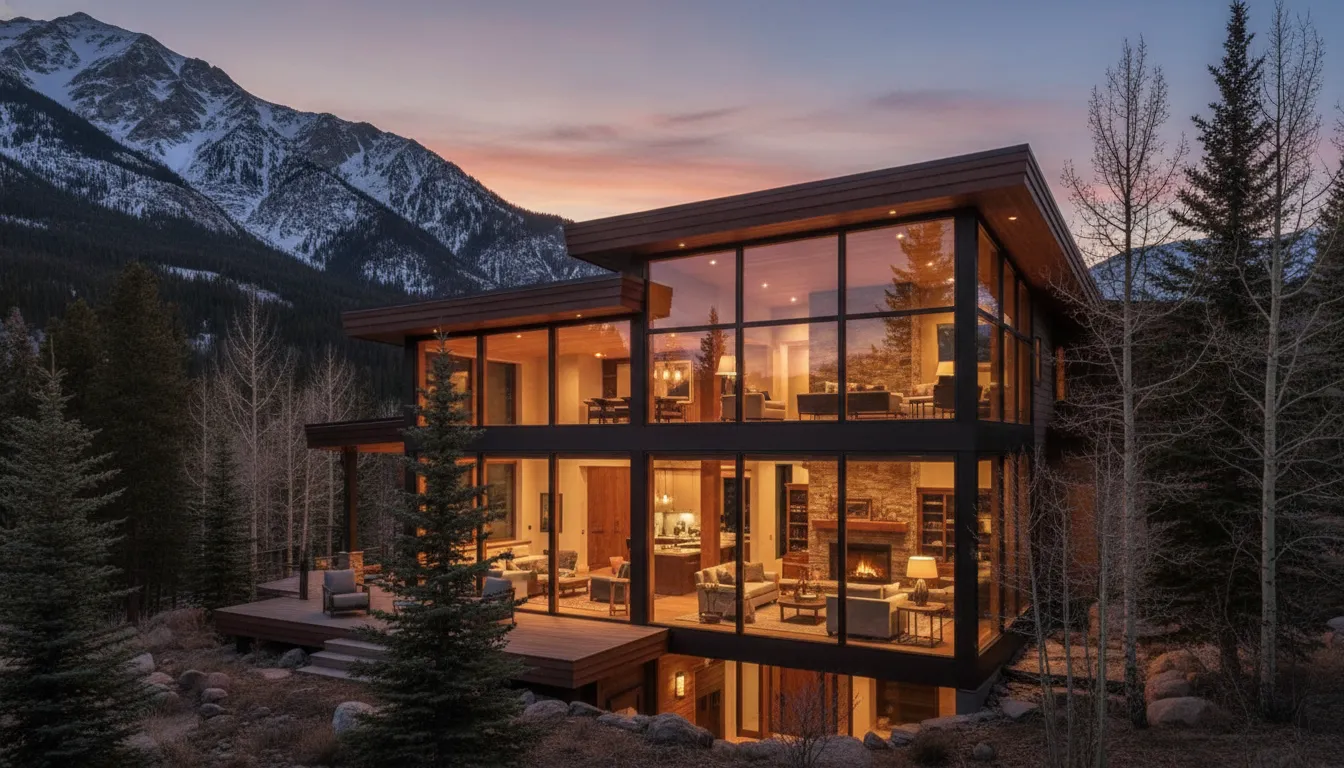
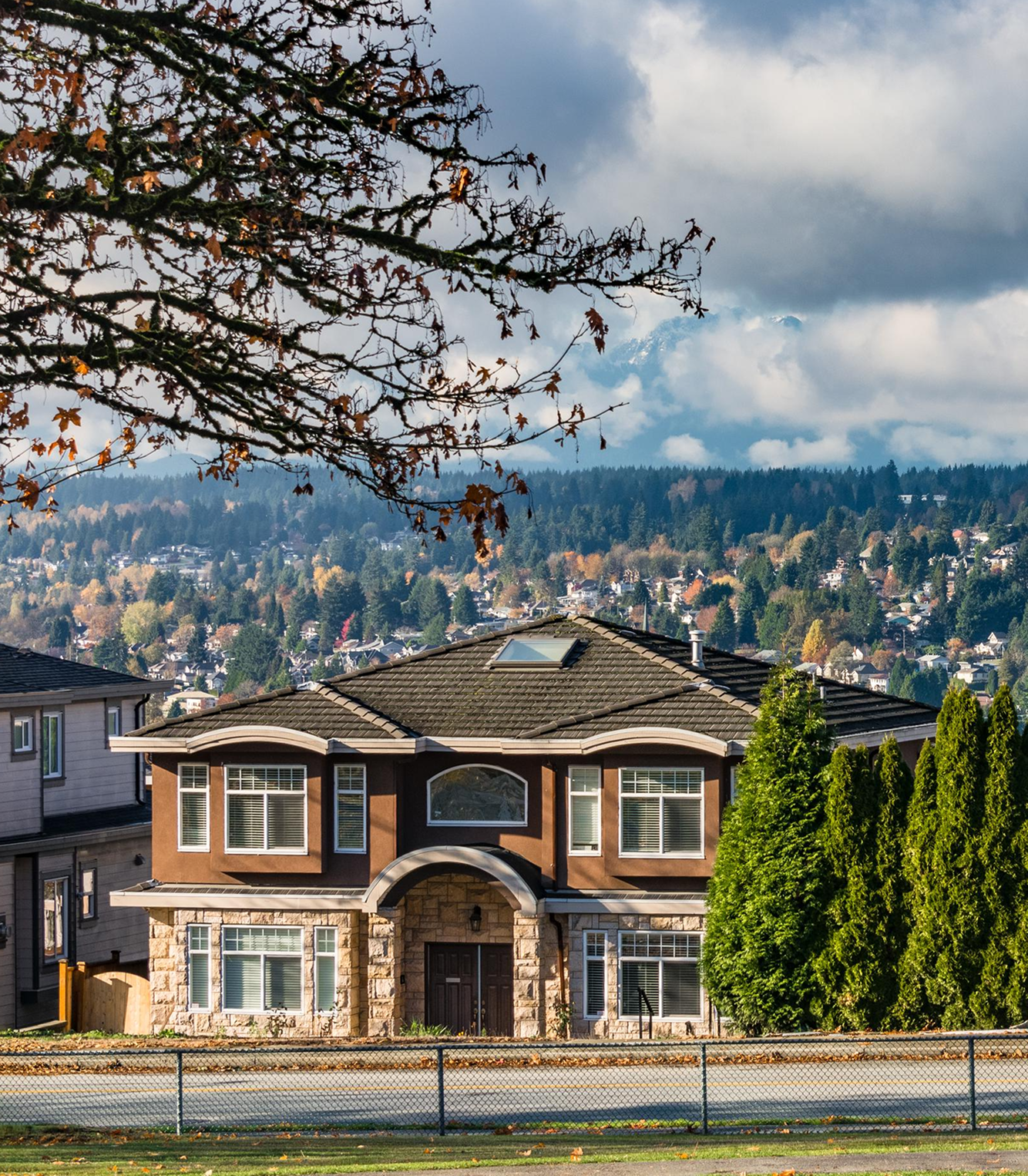
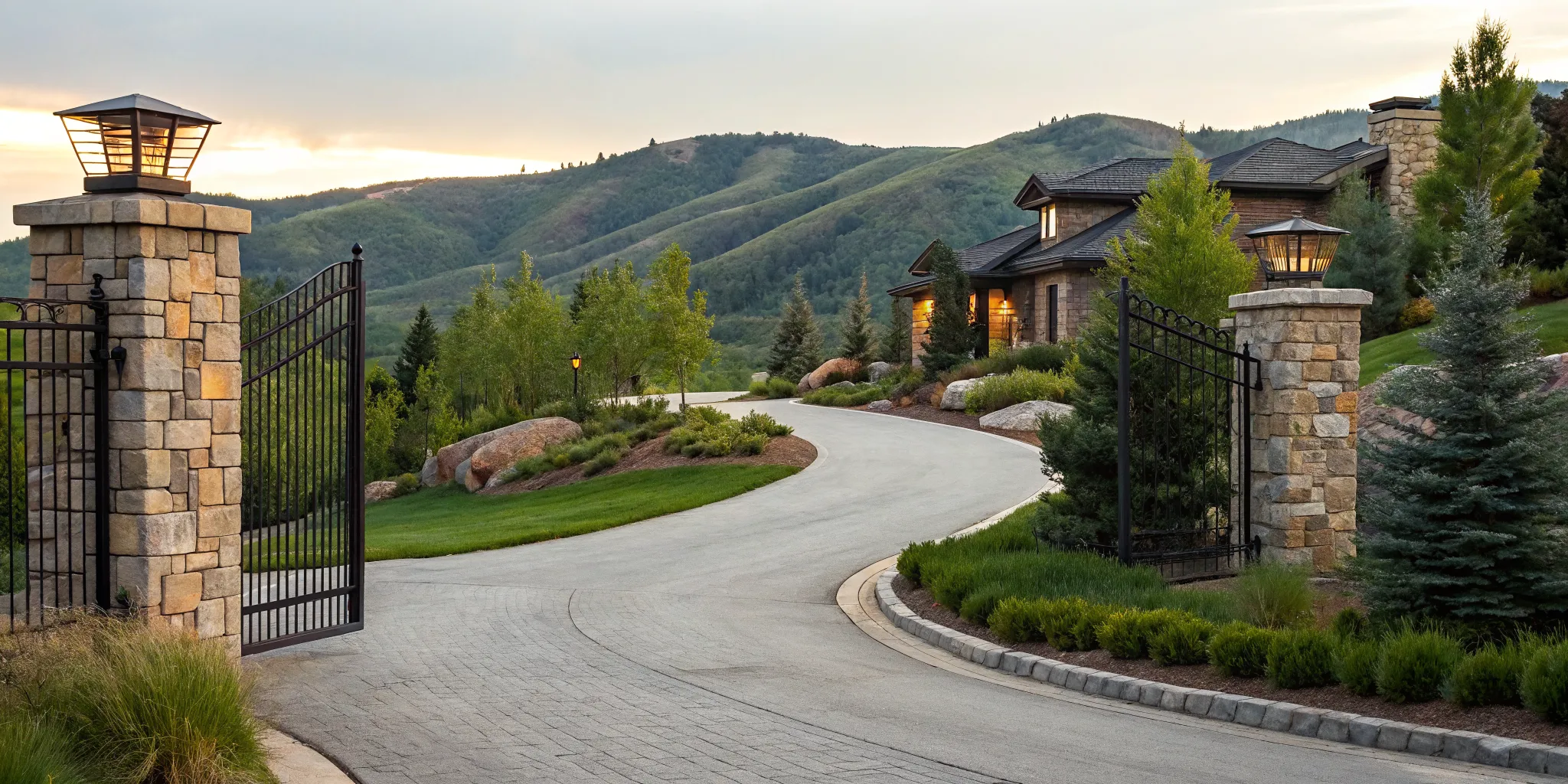
Now, let's talk about the one you're actually here for. The Blackhawk Station in Park City is a peaceful residential community, not a power plant. Nestled in the popular Kimball Junction area, this neighborhood is known for its stunning panoramic mountain views and tranquil atmosphere. It offers a beautiful collection of single-family homes that provide the perfect home base for enjoying the Park City lifestyle. This is the Blackhawk Station that offers scenic surroundings and access to world-class recreation, making it a highly desirable spot for your mountain dream home.
So, why all the mix-ups? It simply comes down to different places sharing a similar name. This situation can lead to "potential confusion among buyers and investors," which is the last thing you need when you're researching a significant investment like a home in Park City. Sifting through irrelevant information about industrial sites in another state is a waste of your valuable time. By understanding that the Blackhawk Station name is used for both a residential community and power facilities, you can refine your search and focus your attention on the properties that truly matter to you.
When you’re searching for homes in Park City, seeing the name “Blackhawk Station” pop up next to industrial-sounding terms can be confusing. Let's clear the air. The Blackhawk Station in Park City is a lovely residential community, while the similarly named Black Hawk Station is a natural gas power plant located hundreds of miles away in Texas. They share a name, but that’s where the similarities end. One is a place to build a life, and the other is a facility that generates power. Understanding the key differences between these two locations is the first step in making sure your property search stays on the right track. From their core operations to their environmental footprint, these two places couldn't be more different.
The industrial site, the Black Hawk Station, is an active power plant in Borger, Texas. Its entire purpose is to generate electricity. To do this, the facility uses fossil fuels, specifically natural gas, to power its operations. It’s a key piece of the energy infrastructure for its region in the Texas panhandle. This is a large-scale industrial operation, fundamentally different from a quiet residential neighborhood. When you see mentions of energy production or natural gas, it’s a clear sign that the discussion is about the power plant in Texas, not the homes in Park City.
To get a bit more specific, the Texas power plant uses a technology called a gas turbine. It also operates as a Combined Heat and Power (CHP) system, also known as a cogeneration system. This just means the plant is designed to be highly efficient by producing both electricity and useful heat from a single fuel source. This technical detail highlights its industrial nature. It’s a complex facility engineered for maximum energy output. This kind of sophisticated, heavy-duty operation is worlds away from the peaceful, community-focused environment you’d find in a residential area.
Here’s the most important distinction for homebuyers: Blackhawk Station in Park City is a community of single-family homes located in the popular Kimball Junction area. It’s a place where people live, relax, and enjoy the Park City lifestyle. In stark contrast, the Black Hawk Station in Texas is a site for industrial energy production. One is designed for comfortable living, with homes, yards, and neighbors, while the other is built for machinery, power generation, and a workforce of engineers and technicians. The two serve completely different functions in completely different states.
The scale of the Texas power plant underscores its industrial purpose. The facility has a total capacity of at least 244 megawatts, making it a significant contributor to its local power grid. As a natural gas plant, its operations and environmental impact are monitored and regulated within the energy industry. A residential community like Park City’s Blackhawk Station, on the other hand, is focused on quality of life, access to outdoor recreation, and creating a desirable living environment. The priorities are simply not the same. One is measured in megawatts, the other in community well-being.
Understanding who manages each "Blackhawk Station" is key to telling them apart. From major investment firms running industrial sites to a local community association in Park City, the leadership and purpose behind each location are completely different. This distinction is crucial, especially when you're considering a property investment in a place as special as Park City. Let’s look at who’s in charge of these distinct places and why it matters to you as a homebuyer.
The Black Hawk Station in Texas is a 244-megawatt power plant owned by Borger Energy Associates LP, whose parent company is the global investment firm KKR & Co. Inc. This ownership structure immediately signals that it's a significant industrial asset designed for large-scale energy production. The decisions made about this facility are driven by corporate energy strategies and financial returns. This operating power station is a commercial enterprise, managed for profit and to supply power to the grid, making it fundamentally different from a planned residential community. Its operations are entirely separate from anything you’d find in Park City.
Adding another layer to the industrial side, the Blackhawk Power Station is a cogeneration facility that operates on property leased within the WRB Refinery. Cogeneration is a highly efficient process that produces both electricity and useful thermal energy from a single fuel source. This cogeneration facility is deeply integrated into the refinery's industrial operations, providing essential power and heat for its processes. This relationship highlights its specialized, industrial purpose. It’s a business-to-business operation, existing solely to support the refinery’s functions, and has no connection to the residential real estate market in Utah.
In stark contrast, the Blackhawk Station in Park City is a peaceful residential neighborhood. Instead of a corporation, it’s managed by a Homeowners Association (HOA) made up of the residents themselves. The HOA’s goal is to maintain the community’s aesthetic, manage shared amenities, and preserve property values for everyone living there. Located in the desirable Kimball Junction area, this peaceful community is known for its panoramic mountain views and high quality of life. The focus here is entirely on creating a great living experience for its residents, from landscaping to community rules.
Each type of Blackhawk Station contributes to its local economy in very different ways. An industrial power plant creates jobs and supports sectors like transportation and warehousing. While important, the economic impacts of utility-owned plants are concentrated in the industrial sector. On the other hand, a residential community like Blackhawk Station in Park City fuels the local economy through property taxes, which support schools, infrastructure, and public services. Residents also shop at local businesses and dine at nearby restaurants, contributing to the vibrancy of the Park City community and directly strengthening the local real estate market.
When you're looking for a home, the surrounding area is just as important as the property itself. The mention of an industrial site, like a power plant, can naturally raise questions about how it might affect your investment and quality of life. It’s a valid concern, whether you’re buying in a bustling city or a quiet mountain town like Park City. Understanding the real-world effects of these facilities on property values, community economics, and the mortgage process can help you make a confident and informed decision. While the Blackhawk Station in our area is a beautiful residential community, it’s still wise to know how actual industrial sites can influence a local real estate market.
It’s a common assumption that living near a power plant or wind farm will cause property values to drop. However, the data often tells a more nuanced story. Multiple studies have shown that energy facilities do not automatically lead to a decrease in home values. While factors like noise or visual impact can play a role, there is often no persistent, negative effect on the prices of nearby homes. For homebuyers, this means it’s important to look beyond assumptions and consider the actual market trends in a specific area rather than ruling out a property based on proximity alone.
There can be a big difference between what a community fears will happen and what the market data actually shows. The perceived local impacts of an energy facility can sometimes create misconceptions that aren't supported by facts. Neighborhood chatter might focus on potential downsides, but the reality is often much more stable. As a buyer, your best approach is to work with real estate and mortgage professionals who can provide clear, data-backed insights. They can help you separate perception from reality, ensuring your financial decisions are based on solid information, not speculation.
While it may seem counterintuitive, industrial facilities can sometimes bring surprising economic benefits to a local area. These sites can stimulate local economies by creating stable jobs, which in turn increases the demand for housing and supports local businesses and services. This economic activity can contribute to a healthy, growing community. The tax revenue generated by these facilities can also fund public services like schools, parks, and infrastructure, which benefits all residents. It’s a reminder that the full picture is often more complex and can include significant positives for the community.
Even if property values remain stable, securing a loan for a home near an industrial zone can sometimes be more complex. Lenders may have specific criteria for properties in these areas, which could influence your mortgage approval or the interest rates you’re offered. This is where having an experienced mortgage advisor becomes essential. At Utah's Mortgage Pro, we specialize in handling the unique challenges of the Park City market, including properties with unconventional features. We can help you prepare a strong application and find the right financing for your dream home, no matter the location.
When you’re deep into your Park City home search, the last thing you need is confusion over a name. Since "Blackhawk Station" refers to a few different places, it’s easy to get your wires crossed. But don’t worry, telling them apart is simple once you know what to look for. A few key details in the conversation or listing can instantly clarify whether you’re discussing a beautiful home in Utah or an industrial site hundreds of miles away. By paying attention to context, location, and specific language, you can confidently focus on what matters: finding your perfect mountain home.
The easiest way to identify which Blackhawk Station is being discussed is by looking at the context. If the conversation revolves around real estate, home prices, or life in the Kimball Junction area, you're on the right track for the residential community. Mentions of "single-family homes" or local Park City amenities are clear signs you’re talking about the neighborhood. For example, real estate sites describe Blackhawk Station as a community of homes, so any discussion about property listings or neighborhood features points directly to the Park City location, not an industrial facility.
Geography is another instant giveaway. The Blackhawk Station residential community is firmly planted in Park City, Utah. In contrast, the power plant is located in Borger, Texas. If you see any mention of Texas, megawatts, or power generation, you’re dealing with the industrial site. The Black Hawk Station in Texas is an operating power station, a detail that clearly separates it from a quiet residential neighborhood in the mountains of Utah. Always double-check the city and state in any address or description to be sure you're looking at the right place.
The words people use will tell you everything you need to know. When discussing the Park City community, you’ll hear terms like “homeowner,” “floor plans,” “amenities,” and “real estate.” On the other hand, language related to the industrial sites includes terms like “cogeneration facility,” “refinery,” and “power grid.” For example, official documents describe one of the facilities as a power station located within a refinery. This type of industrial jargon is a clear signal that the conversation is not about residential properties in Park City.
It’s also helpful to be aware of unrelated terms that can cause confusion. The name "Black Hawk" is famously associated with the military event in Mogadishu, often known by the movie title "Black Hawk Down." This historical event has absolutely no connection to the residential community in Park City or the power plants. While the names sound similar, they refer to completely different things. Knowing this can help you filter out irrelevant information and avoid any mix-ups, especially when doing broad online searches for the name.
So, to be perfectly clear, is there any kind of power plant or industrial facility named Blackhawk Station in or near Park City? Nope, not at all. The Blackhawk Station in Park City is strictly a residential neighborhood located in the Kimball Junction area. The industrial sites with similar names, including the power plant and cogeneration facility, are all located in Texas. Your home search in Park City will only involve the beautiful residential community.
Why is it important to know about these Texas power plants when I'm only looking for a home in Utah? Knowing the difference saves you valuable time and prevents unnecessary stress during your property search. When you research "Blackhawk Station" online, results for the Texas industrial sites can pop up, which can be confusing. Understanding the distinction from the start helps you filter out irrelevant information and focus solely on the Park City community you're interested in.
What are the quickest ways to confirm I'm looking at the right Blackhawk Station in a listing? The location is your best clue. If the listing mentions Park City, Kimball Junction, or Summit County, you're in the right place. Also, look for real estate terms like "single-family home," "mountain views," or "HOA." Any language about megawatts, energy production, or refineries is a clear sign you've stumbled upon information about the industrial sites in Texas.
Does this name confusion have any impact on getting a mortgage for a home in Park City's Blackhawk Station? The name confusion itself has no effect on the mortgage process. Lenders base their decisions on the property's location, value, and your financial standing, not on what other places in different states happen to be called. We handle loans in this community regularly and can assure you it's a straightforward process based on the property's actual merits.
You mentioned industrial sites can affect real estate. Should I be concerned about any other facilities near the Park City community? While the Blackhawk Station community itself is not near any major industrial plants, it's always smart to consider the entire surrounding area when buying a home. If you ever have questions about a property's proximity to any type of commercial or industrial zone, that's something we can help with. An experienced local mortgage advisor can address any specific concerns and ensure your financing process goes smoothly.