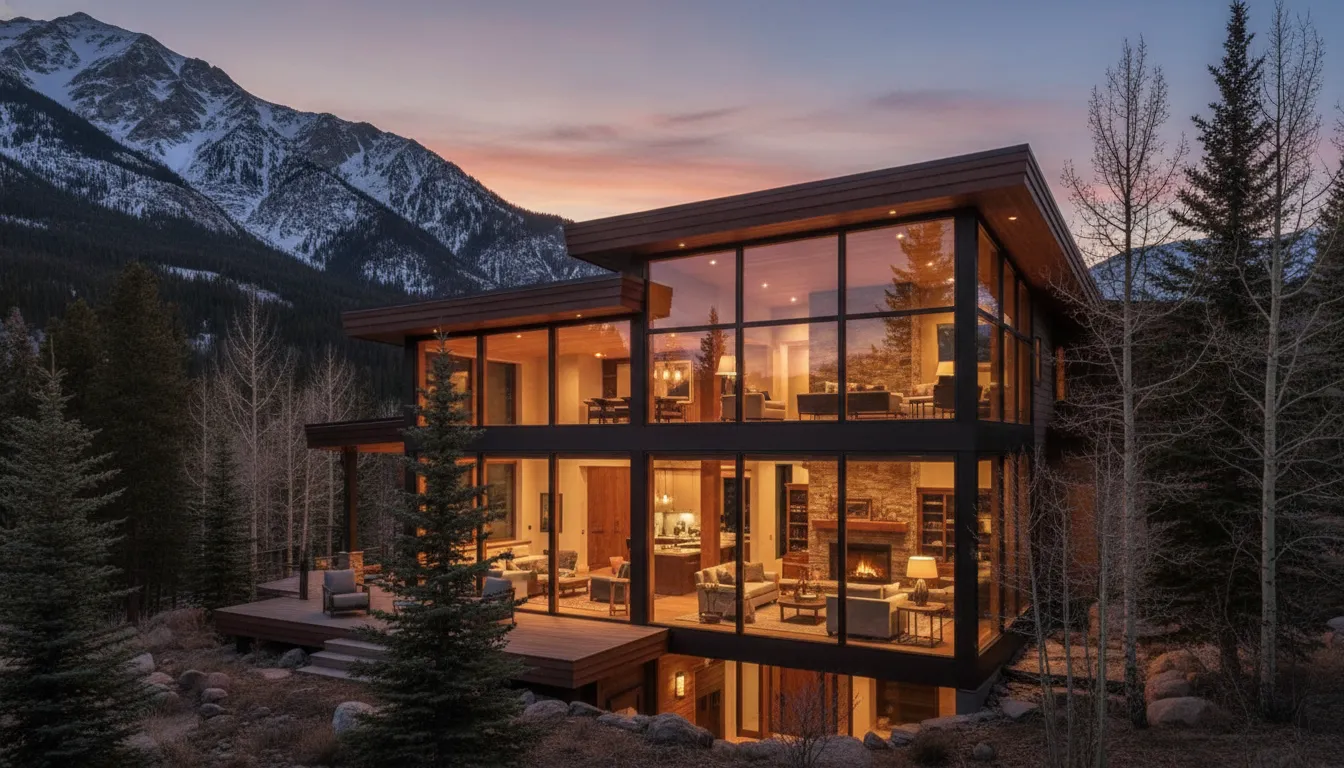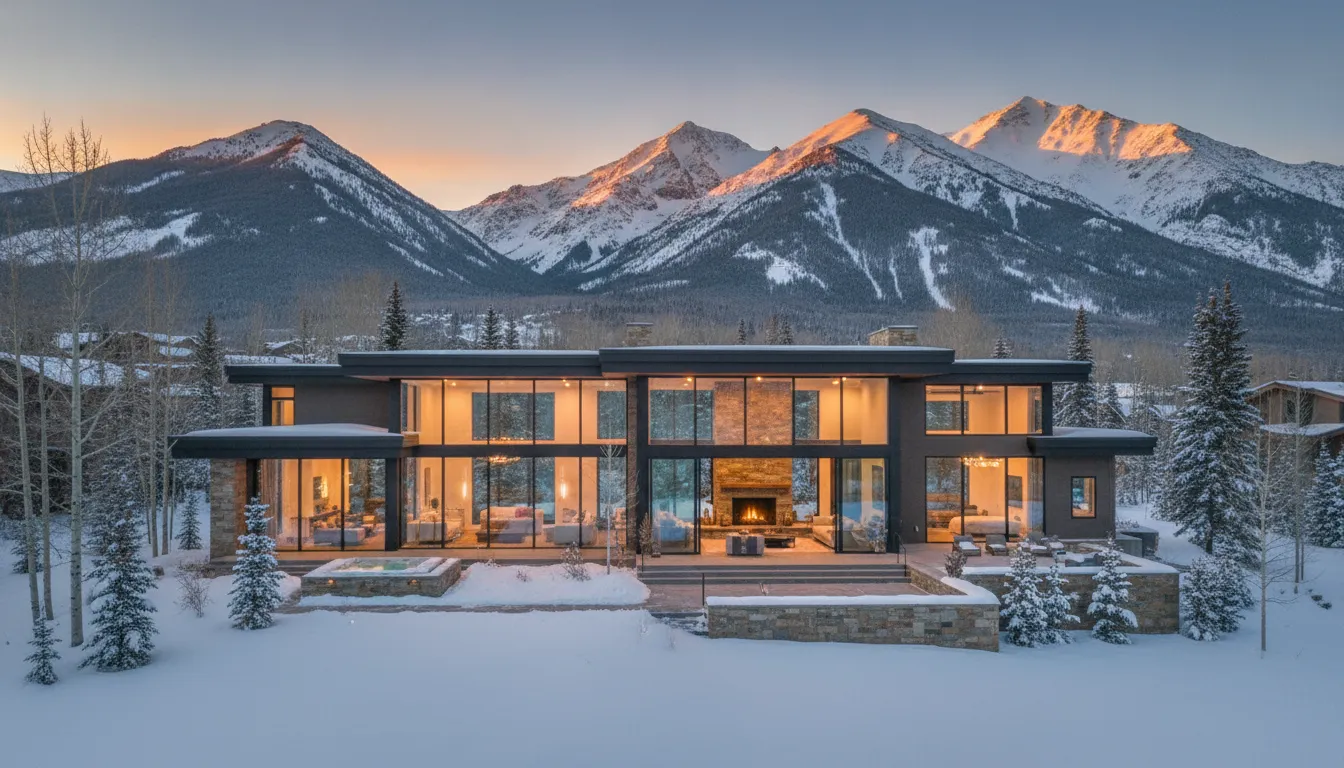


Let's talk about what it really takes to finance a second home in Park City. While the dream is about mountain views and fresh powder, the reality starts with a solid financial plan. For most properties here, that plan involves a jumbo loan. These loans are designed for higher-value homes and come with their own set of rules and requirements. Getting a clear picture of the current jumbo loan rates for second homes is essential, but it’s only one piece of the puzzle. You also need to understand the down payment expectations, credit score benchmarks, and income verification process. This article is your straightforward guide to navigating it all with confidence.
When you’re dreaming of a ski-in/ski-out retreat in Deer Valley or a summer home near Old Town, understanding the financing is a crucial first step. Jumbo loan rates for second homes are a bit different from those for a primary residence, and it’s smart to know what to expect. Lenders often view second homes as slightly riskier since they aren't your main dwelling, so you might see
The interest rate you’re offered will depend on several key factors: the overall market environment, your credit score, the size of your down payment, and your debt-to-income ratio. While you can find national averages online, those numbers don't tell the whole story for a unique market like Park City. The most competitive rates come from working with a lender who understands the local real estate landscape. We have access to a variety of loan products specifically designed for luxury and second-home financing. Our job is to help you find a structure that aligns perfectly with your financial goals. Whether you prefer the long-term stability of a fixed rate or the initial savings of an adjustable-rate mortgage, there’s a solution that fits your vision for a life in the mountains.
The 30-year fixed-rate mortgage is a classic for a reason. Your interest rate is locked in for the entire life of the loan, which means your principal and interest payment will never change. This predictability is perfect if you plan on keeping your Park City getaway for many years and want to budget with confidence. While jumbo mortgage rates fluctuate with the market, they have recently been hovering in the 7% range. A 30-year term keeps your monthly payments lower compared to shorter-term loans, freeing up cash flow for other investments or enjoying everything Park City has to offer.
If you’re in a position to handle a higher monthly payment, a 15-year fixed-rate jumbo loan is a powerful tool for building equity quickly. These loans typically come with a lower interest rate than their 30-year counterparts, and you’ll pay significantly less in total interest over the life of the loan. This option is ideal for buyers who want to own their second home outright sooner. Just like with any mortgage, your specific rate will depend on your financial profile, including your credit score and how much you put down. It's a fantastic way to accelerate your path to full ownership of your mountain retreat.
An adjustable-rate mortgage, or ARM, offers a lower, fixed interest rate for an initial period, such as five, seven, or ten years. After this introductory period ends, the rate adjusts based on market conditions. An ARM can be a strategic choice for buyers who don't plan to hold onto their property for the full 30 years or for those who want a lower initial payment. The initial savings can be substantial, making it easier to manage the costs of a new luxury property. We can walk you through the process and help you weigh the benefits against the risk of future rate changes to see if it’s the right fit for you.
When you’re shopping for a home in a high-value market like Park City, you’ll quickly encounter two main types of mortgages: conventional and jumbo. The primary distinction is simple: it all comes down to the loan amount. Conventional loans must fall within the conforming loan limits set by the Federal Housing Finance Agency (FHFA). These limits vary by county and are adjusted annually to reflect changes in the housing market. For most of the U.S., this limit is one number, but in high-cost areas like Summit County, the limit is higher to account for local property values.
A jumbo loan is any mortgage that exceeds these specific limits. Because you’re borrowing a larger sum of money, the qualification requirements and loan terms are often different. Lenders view these loans as having a bit more risk, so the process is tailored to reflect that. This might mean stricter credit score requirements or a larger down payment. Understanding these differences is the first step in finding the right financing for your dream mountain home. It helps you set clear expectations for everything from interest rates to the total cost of your loan over time, ensuring you feel confident as you move forward.
You might notice that jumbo loans sometimes have slightly higher interest rates than conventional loans. This isn't arbitrary; it's based on risk. When a lender finances an amount above the conforming limit, they are taking on a larger financial responsibility. If a borrower defaults on a million-dollar loan, the lender's potential loss is much greater than on a smaller, conventional mortgage. To compensate for this increased risk, lenders may charge a higher rate. The same logic applies to second homes, which can carry rates about half a percentage point higher than primary residences because they present an additional layer of risk for the lender.
Your interest rate is one of the most significant factors determining your monthly mortgage payment. Even a small difference in the rate can have a major impact on your budget, especially with a large loan amount. Think of the interest rate as the primary driver of your purchasing power. A lower rate means a lower monthly payment, which could free up funds or even allow you to afford a more expensive property. When you're looking at financing a second home in Park City, understanding how different mortgage rates translate into monthly costs is essential for making a confident and sustainable financial decision.
While the interest rate is important, the Annual Percentage Rate (APR) gives you a more complete view of your loan's cost. The APR includes your interest rate plus other charges like lender fees and closing costs, all bundled into a single number. It’s the best tool for comparing loan offers from different lenders. Remember that your personal financial situation heavily influences the rates you’re offered. Lenders will look closely at your credit score, the size of your down payment, and your debt-to-income (DTI) ratio. Our team can help you understand how these factors come together and guide you through the loan process to secure the best possible terms.
Buying a second home in a place like Park City is an exciting step. When it comes to financing with a jumbo loan, the process is straightforward but has a few extra checkpoints compared to a conventional loan. Lenders look closely at your financial health to ensure you can comfortably manage a larger mortgage. Think of it less as a hurdle and more as a way to confirm you're making a sound financial decision. Let's walk through the four key areas lenders will focus on.
Lenders view your credit score as a snapshot of your financial reliability. For a jumbo loan, they're looking for a strong history of managing debt responsibly. While the exact number varies, a score of 700 or higher is generally the starting point. A higher score not only improves your chances of approval but can also help you secure a more favorable interest rate. If your score isn't quite there yet, taking steps to improve your credit before you apply can make a significant difference. It shows lenders you're a dependable borrower, which is especially important when dealing with larger loan amounts.
You can expect to need a larger down payment for a jumbo loan than for a conventional mortgage. Lenders typically ask for at least 10% to 20% down. This larger initial investment lowers the lender's risk and demonstrates your own financial commitment to the property. While the 20% figure is a common benchmark, it’s not a universal rule. Some programs offer more flexibility depending on your overall financial picture. We can help you explore different scenarios and find a down payment strategy that aligns with your goals, which is a key part of our process.
Lenders need to see that you have a stable, reliable income that can comfortably cover your new mortgage payment alongside your existing financial obligations. They measure this using your debt-to-income (DTI) ratio. This ratio is the percentage of your gross monthly income that goes toward paying debts like car loans, student loans, and credit card payments. For a jumbo loan, lenders generally prefer a DTI ratio below 43%. A lower DTI ratio signals to lenders that you have plenty of room in your budget to handle the payments for your Park City second home without financial strain.
Beyond the down payment and closing costs, lenders will want to see that you have sufficient cash reserves. These are liquid funds, like money in savings or checking accounts, that you'll have left over after the loan closes. Lenders generally require jumbo loan borrowers to have enough cash reserves to cover anywhere from six to twelve months of mortgage payments. This financial cushion provides a safety net, assuring the lender that you can manage your payments even if you face an unexpected expense or a temporary dip in income. It’s all about ensuring you’re in a secure position to enjoy your new home.
When you hear "jumbo loan," you might picture a sprawling primary residence, but these flexible financing tools can open doors to a much wider range of properties. You can use a jumbo loan to purchase your main home, a vacation getaway, or even a property you plan to rent out. The key is understanding how lenders view each type of property, as your intended use will shape the requirements and terms of your loan.
The property itself also needs to meet certain standards. Lenders are looking for high-quality, marketable homes, especially in a luxury market like Park City. They’ll consider the property type, its location, and its condition when evaluating your loan application. Whether you’re eyeing a ski-in/ski-out condo in Deer Valley or a family estate in Promontory, knowing what qualifies ahead of time makes the entire loan process much smoother. Let’s break down the specifics so you can move forward with confidence.
It’s important to be clear about how you plan to use your property, as lenders categorize them differently. A second home is a property you intend to occupy for part of the year for personal enjoyment, like a vacation home. Think of it as your personal retreat. An investment property, on the other hand, is purchased with the primary goal of generating income through rent. You don’t plan to live there yourself. Lenders view investment properties as having slightly higher risk, so the qualification requirements for down payments and credit scores can sometimes be more stringent than for a second home.
In a unique market like Park City, jumbo loans are essential for financing the area's incredible real estate. Qualifying properties run the gamut from luxurious single-family homes and ski-in/ski-out residences to high-end condos and townhomes. While many local purchases involve cash, mortgage rates still play a huge role in buyer decisions, especially for those buying a second home. Lenders are very familiar with the property types in communities like Canyons Village and Old Town, and they are prepared to finance high-value homes that are common throughout the area.
For a property to qualify as a second home, lenders have a few specific requirements. The home must be a single residence that you own in addition to your primary home, and you need to plan to live there for part of the year. It also needs to be suitable for year-round living, meaning it should be accessible throughout all seasons and have standard utilities. This typically excludes properties like timeshares or hotel-condo units that come with rental pool obligations. Working with a local mortgage expert ensures you understand all the nuances before making an offer.
When you’re thinking about buying a second home in a place like Park City, the term “jumbo loan” can feel a little intimidating. A lot of what people believe about these loans is based on outdated information or simple misunderstandings that can make the process seem more complicated than it really is.
Getting the facts straight is the first step toward making your dream of a mountain retreat a reality. Let’s clear the air and walk through some of the most common myths about jumbo loans for second homes. We'll break down what's true, what's not, and what you really need to know to move forward with confidence.
Let's tackle the big one first: the down payment. You've probably heard that you absolutely must have 20% of the home's price saved up to even think about a jumbo loan. While putting 20% down is a great goal and can help you avoid private mortgage insurance (PMI), it's not always a hard-and-fast rule. Some lenders offer more flexibility, allowing you to secure a second home mortgage with less. We can help you explore tailored financing solutions that fit your specific financial picture, so don't let that 20% figure stop you from exploring your options for a Park City home.
Another common worry is that the interest rate on a second home loan will be sky-high compared to a primary residence. It's true that second home mortgage rates can sometimes be a fraction of a percentage point higher, but the difference is often much smaller than people assume. Lenders view second homes as slightly more of a risk, but a strong financial profile can earn you a very competitive rate. The key is working with a local expert who has access to a wide range of loan products and can find the best possible terms for your situation.
The idea that qualifying for a jumbo loan is an impossible hurdle keeps many well-qualified buyers on the sidelines. In reality, the process is quite straightforward. Lenders look at a clear set of factors, including your credit score, the size of your down payment, your income, and your overall financial health. The main considerations for jumbo loans are tied to these same factors. Instead of seeing it as an obstacle course, think of it as a clear roadmap. By preparing your finances and understanding what lenders are looking for, you can position yourself for a smooth and successful approval.
You might think a jumbo loan is only for a traditional single-family house, but that's not the case at all. Whether you're dreaming of a ski-in/ski-out condo in Deer Valley, a modern retreat in Promontory, or an investment property in Old Town, there are flexible financing options available. You can get jumbo loans for larger mortgage amounts for your main home, a vacation getaway, or even a property you plan to rent out. The flexibility of these loans is designed to match the diverse and high-value real estate market here in Park City.
Securing the best possible interest rate for your Park City second home isn't just about luck or timing the market perfectly. In a luxury market where jumbo loans are the norm, even a small difference in your rate can translate to tens of thousands of dollars saved over the life of your loan. While broad economic conditions certainly play a role, you have more influence over the rate you receive than you might think. Getting a great rate comes down to smart preparation, a clear strategy, and working with the right team who understands the nuances of financing high-value properties in places like Deer Valley and Canyons Village.
By focusing on what you can control, like your financial health and your choice of lender, you can position yourself as an ideal borrower. This isn't about finding a secret loophole; it's about methodically checking the right boxes to reduce the lender's risk, which in turn reduces your rate. Think of it as building a strong foundation before you even start looking at properties with ski-in/ski-out access. A great rate makes your second home more affordable month-to-month and a smarter long-term investment. Let's walk through the key steps to make sure you’re getting the most competitive rate available for your dream mountain retreat.
Before you even start looking at properties, the best first step is to get your financial profile in top shape. Lenders look at a few key factors to determine your rate, and strengthening them will work in your favor. Start with your credit score; a higher score signals to lenders that you're a reliable borrower. Next, take a look at your debt-to-income (DTI) ratio, which is the percentage of your monthly income that goes toward debt payments. Lowering this by paying down credit cards or other loans can make a big difference. Finally, a larger down payment reduces the lender's risk, which can often lead to a better interest rate. Taking these steps shows you're a strong, low-risk applicant.
It’s tempting to just go with the first lender you talk to, but it pays to compare your options. When you shop around, you’re not just looking for the lowest advertised number. You need to compare official Loan Estimates, which detail all the associated fees and costs. A local mortgage expert who specializes in the Park City market can be an invaluable partner here. They often have access to a wider variety of loan products and can help you find a lender whose requirements align with your financial situation. Understanding the loan process from a trusted advisor ensures there are no surprises along the way.
Once you have offers from lenders, it's time to look closely at the Loan Estimate. This standardized document makes it easier to compare apples to apples. Don't just focus on the interest rate; pay close attention to the Annual Percentage Rate (APR), which includes the interest rate plus other costs like lender fees. This gives you a more complete picture of the loan's total cost. Remember, jumbo loans for second homes can have slightly higher rates and stricter requirements than conventional loans. Being able to confidently read your Loan Estimate means you can ask the right questions and choose the offer that truly makes the most financial sense for you.
Interest rates can change daily, sometimes even hourly. Once you've chosen a lender and are moving forward, you'll face a big decision: when to lock in your rate. A rate lock freezes your interest rate for a set period, typically 30 to 60 days, protecting you if market rates go up before you close. The alternative is to "float" your rate, hoping it will drop. This can be a risky move. Discuss the current mortgage rate trends with your loan officer. They can provide expert guidance based on market forecasts to help you decide on the best time to lock and secure your rate.
Buying a second home in Park City should be an exciting milestone, not a complicated financial puzzle. Whether you’re dreaming of a ski-in/ski-out condo or a summer retreat with mountain views, the right financing partner makes all the difference. It’s about more than just securing a loan; it’s about finding someone who understands the unique rhythm of the Park City real estate market and can guide you through the process with clarity and confidence.
Working with a local specialist means you get a team that’s deeply invested in the community and has the specific experience needed for high-value properties. We combine our in-depth market knowledge with access to competitive financing to create a loan process that feels straightforward and personalized. Our goal is to handle the details so you can focus on what matters most: finding the perfect Park City property to call your own.
In a place like Park City, a property’s value goes far beyond square footage and price per foot. Online listings don't always show you the quality of construction, the view corridors, or the unique character of a neighborhood. We live and work here, so we understand the nuances that make a property a great investment. We know that even though many local purchases involve large down payments, overall buyer confidence is still tied to the financial landscape. Our expertise helps you see beyond the data and understand the true value of a home based on the primary factors that matter to buyers in this specific market.
It’s true that lenders sometimes view second homes as a slightly higher risk, which can occasionally translate to higher interest rates. However, working with a mortgage professional who specializes in jumbo loans gives you a distinct advantage. We have access to a wide network of lenders and a variety of loan products designed specifically for luxury and second-home financing. We’ll help you compare options, from fixed-rate to adjustable-rate mortgages, and find a competitive rate that aligns with your financial goals. Our focus is on finding a solution that makes sense for your entire portfolio.
Jumbo loans naturally come with more rigorous documentation and underwriting standards. Lenders will look closely at your credit score, income, and cash reserves. But these stricter requirements don’t have to mean a stressful experience. We pride ourselves on a transparent and efficient process that keeps you informed every step of the way. From gathering your initial documents for pre-approval to coordinating the final details for closing, we manage the complexities so you don’t have to. We’ve streamlined the process for luxury properties to ensure a smooth journey from application to closing day.
How much do I actually need for a down payment on a second home jumbo loan? While the 20% down payment is a common benchmark, it isn't a strict requirement for every borrower. Lenders typically look for a down payment between 10% and 20% for a jumbo loan on a second home. The exact amount will depend on your complete financial profile, including your credit score and cash reserves. We can explore different financing structures to find a down payment strategy that works for your specific situation.
Are the interest rates for a second home significantly higher than for a primary residence? It's true that rates for second homes can be slightly higher, but the difference is often much smaller than people expect, usually just a fraction of a percentage point. Lenders view second homes as carrying a little more risk, which accounts for the minor rate increase. A strong financial profile with a great credit score and low debt can help you secure a very competitive rate that is close to what you might see for a primary home.
What's the main difference in qualifying for a second home versus an investment property? The key difference comes down to how a lender views the property's purpose and risk. A second home is for your personal use and enjoyment. An investment property is intended to generate rental income, which lenders see as a business venture. Because of this, the qualification standards for an investment property, such as the required down payment and credit score, can sometimes be more stringent than for a second home.
Besides the down payment, how much cash should I have available? Lenders will want to see that you have sufficient cash reserves, which are liquid funds left over after you cover your down payment and closing costs. For a jumbo loan, this typically means having enough money in savings or other accessible accounts to cover six to twelve months of your new mortgage payments. This financial cushion acts as a safety net, giving both you and the lender confidence that you can comfortably manage your obligations.
Why is working with a local Park City mortgage expert so important for a jumbo loan? A local expert brings an understanding of the Park City market that a national lender simply can't match. We know the nuances of property values in neighborhoods from Deer Valley to Old Town and have established relationships with appraisers and underwriters who are familiar with the area. This local insight, combined with access to a wide range of lenders specializing in luxury financing, helps ensure a smoother process and a more competitive loan package.