

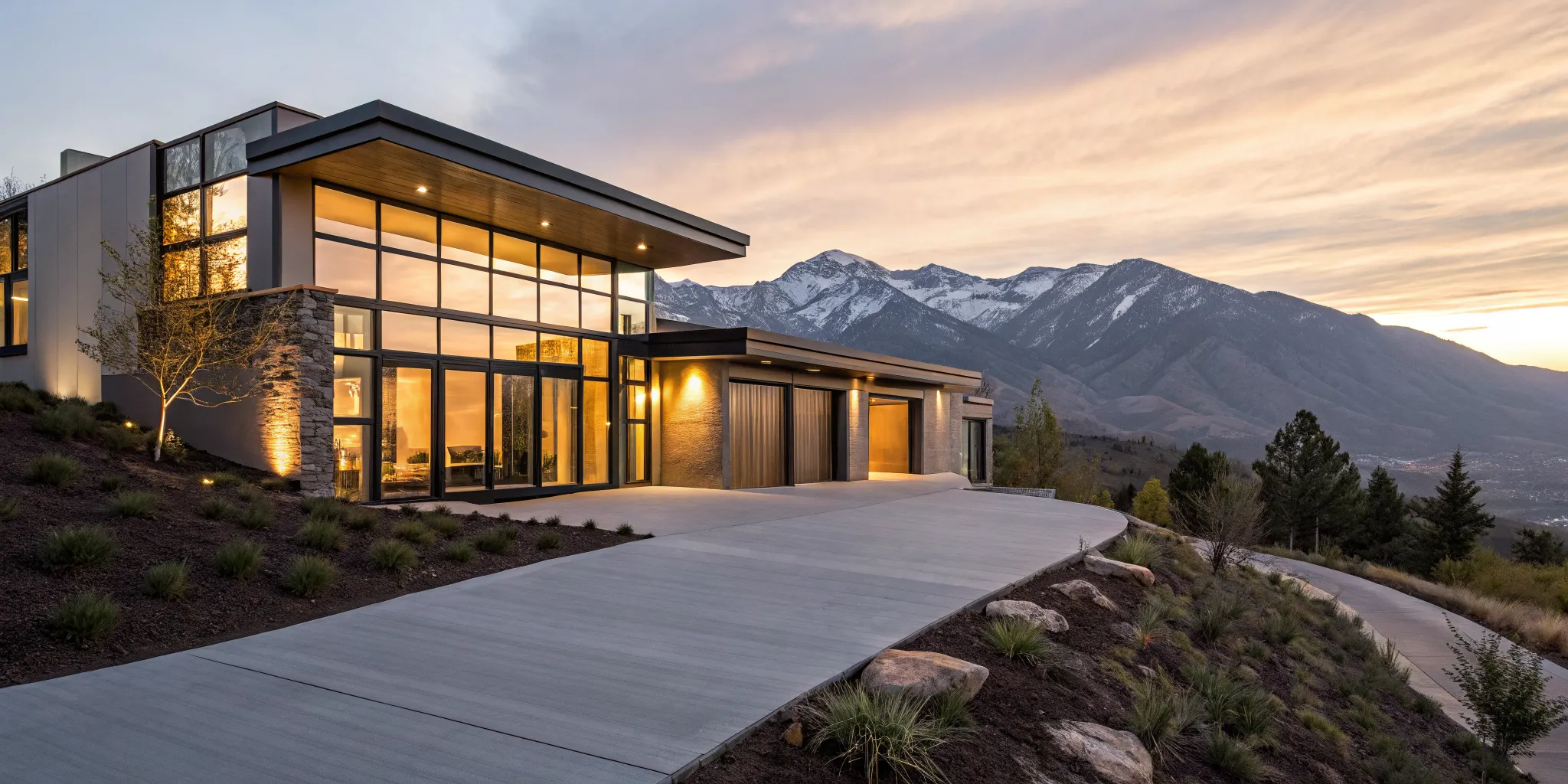
Owning a piece of Park City means more than just having a place to stay; it’s about having a gateway to world-class skiing, summer festivals, and crisp mountain air. But turning that dream into a set of keys involves a unique financial journey. The process of financing a vacation home here is different from anywhere else. You’re not just buying a property; you’re investing in a lifestyle within a high-end resort market. This means navigating jumbo loans, understanding HOA fees for ski-in/ski-out condos, and preparing for stricter lender requirements. This guide will walk you through the essential steps, ensuring your path to ownership is as clear and smooth as a perfect groomer on a bluebird day.
Getting the keys to your Park City retreat starts with a successful mortgage application. Because a vacation home is considered a slightly higher risk than your primary residence, lenders look more closely at your finances. Think of it less as a hurdle and more as a checklist to confirm your financial readiness. When you know what they’re looking for, you can prepare your application with confidence. Here are the four main areas lenders will focus on to approve your loan for a second home.
For a second home, lenders will want to see a larger down payment than what you might have needed for your primary residence. You should typically plan for at least 10%, but a down payment of 20% is more common and helps you avoid private mortgage insurance (PMI). Putting more money down reduces the lender’s risk and demonstrates your financial strength. In a competitive market like Park City, a larger down payment not only strengthens your application but can also lead to a lower interest rate and more favorable loan terms, saving you a significant amount of money over the life of the loan.
Your credit score is a snapshot of your financial history and one of the most important factors in getting approved. For a vacation home loan, you’ll generally need a score of at least 680. However, to secure the best possible interest rates, especially on a jumbo loan, aiming for a score of 740 or higher is a smart move. Lenders see a strong credit score as proof that you manage your debts responsibly. A higher score directly translates into a lower perceived risk for the lender, which often means a better deal for you and a smoother approval process.
Lenders need to be sure you can comfortably handle another mortgage payment. To do this, they’ll analyze your debt-to-income (DTI) ratio. This figure represents the percentage of your gross monthly income that goes toward paying all your monthly debts, including your primary mortgage, car loans, credit card payments, and the proposed new vacation home loan. Most lenders prefer a DTI ratio of 43% or less. Keeping your DTI low demonstrates that you have enough income to manage all your financial obligations without stretching yourself too thin, even with an additional property.
Beyond your down payment, lenders will want to see that you have sufficient cash reserves. These are liquid funds, like money in your savings or checking accounts, that you can access easily. They act as a financial safety net, assuring the lender you can cover the mortgage payments on both your primary home and your new vacation property if your income were unexpectedly interrupted. You should be prepared to show you have enough reserves to cover at least six months of payments for both properties. This is a key part of our loan process and shows you are a well-qualified, low-risk borrower.
Once you’re ready to move forward, you have several financing avenues to explore. Unlike buying a primary residence, securing a loan for a vacation property comes with its own set of rules and opportunities. Lenders generally have stricter qualification standards because a second home is seen as a higher risk. However, with the right strategy, you can find a loan that fits your financial picture perfectly. The key is understanding which tools are available to you and which ones are not.
This is the most straightforward and popular option. A conventional loan for a second home works much like the one for your primary residence, often with a fixed interest rate for the life of the loan. For a high-value property in Park City, this will likely be one of our fixed-rate jumbo loans. Keep in mind that lenders typically require a higher credit score and a larger down payment (usually 20% or more) for a vacation home. This is because they want to ensure you can comfortably manage two mortgages. A fixed-rate loan provides predictability, which is a huge plus when budgeting for your mountain retreat.
An adjustable-rate mortgage, or ARM, is another great choice, especially if you don't plan on keeping the vacation home for the entire 30-year term. ARMs typically start with a lower interest rate for an initial period (say, five or seven years) before adjusting based on market conditions. This can make your initial monthly payments more affordable. If you plan to sell the property or pay off the loan before the fixed period ends, an ARM could save you a significant amount of money in interest. We can help you explore your options to see if this strategy aligns with your long-term goals.
If you have built up significant equity in your primary residence, you can use it to your advantage. A home equity loan or a Home Equity Line of Credit (HELOC) allows you to borrow against the value of your current home to finance your new one. A HELOC functions like a credit card, giving you a revolving line of credit you can draw from as needed. This can be an excellent way to cover the down payment or even purchase the property outright with cash, which can make your offer more competitive. We can walk you through the pros and cons of using equity from your primary home.
It’s just as important to know which loans are off the table. Government-backed loan programs, such as FHA and VA loans, are designed exclusively for primary residences. You cannot use them to purchase a second home or investment property. This is a common point of confusion, so it’s helpful to know from the start that you’ll be working with private lenders and conventional loan products. Focusing on the right loan types from the beginning will save you time and streamline your application process, getting you one step closer to your Park City getaway.
Before you start looking at loan options, there’s a fundamental question you need to answer: how do you plan to use your new Park City home? Will it be a private family retreat for ski weekends and summer holidays, or are you picturing it as an income-generating rental on Airbnb or Vrbo? Your answer is more than just a personal preference; it directly shapes the type of mortgage you can get, the down payment you’ll need, and the interest rate you’ll pay. Lenders have specific categories for how a property is used, and being clear on your intentions from the start will save you time and potential headaches down the road.
When you apply for a mortgage, the lender will classify your property as either a “second home” or an “investment property.” The difference is crucial. A second home is a property you intend to occupy for a portion of the year for personal enjoyment. An
From a lender’s perspective, investment properties carry more risk. As a result, they come with stricter requirements. If your Park City condo is classified as an investment, you can expect to make a larger down payment, often 25% or more. You’ll also likely face a higher interest rate compared to a loan for a second home. Being honest about your plans with your lender is the first step in finding the right financing.
It’s a common question: can you use the potential rental income from your vacation home to help you qualify for the mortgage? The short answer is usually no. Lenders need to see that you can afford the property based on your current, stable income and existing assets. They typically won’t factor in projected earnings from future renters when calculating your debt-to-income ratio. The loan approval process is based on your proven financial stability.
However, once you secure the loan and purchase the home, that rental income is a fantastic tool. Any money you make from renting out your property can go directly toward covering the mortgage, HOA fees, and maintenance costs. While it won't help you get the loan, it can certainly make owning the property more affordable in the long run.
It might be tempting to call your property a second home to secure a lower interest rate, even if you plan to rent it out most of the year. This is a bad idea. Misrepresenting your intentions to a lender is a form of occupancy fraud and can have serious consequences. If your lender discovers you’re not using the property according to your loan agreement, they could demand immediate repayment of the entire loan balance.
The IRS also has specific rules that define how your property is taxed. To qualify for the tax benefits of a second home, you must personally use it for more than 14 days a year or more than 10% of the days it’s rented out, whichever is greater. Anything less, and it’s considered a rental property in the eyes of the Internal Revenue Service. It’s always best to be transparent from the beginning to ensure you’re on solid ground with your lender and your taxes.
When you’re dreaming about a Park City getaway, it’s easy to focus on the listing price and the monthly mortgage payment. But to make your vacation home a truly relaxing escape, it’s important to understand the full cost of ownership. Thinking about these ongoing expenses from the start isn’t about dampening the excitement; it’s about being a smart, prepared buyer. A complete budget ensures your mountain retreat remains a source of joy, not financial stress. Let's walk through the other costs you’ll want to factor in.
Beyond your mortgage, your vacation home comes with its own set of recurring bills. You’ll have the usual utilities like electricity, gas, water, and high-speed internet. But you should also plan for regular maintenance, which in a place like Park City includes snow removal in the winter and landscaping in the summer. Many of the area's most desirable communities and condo buildings have a Homeowners Association (HOA). HOA fees often cover amenities like pools, fitness centers, and common area upkeep, but they are a significant monthly expense you need to add to your homeownership budget.
Lenders will require you to have homeowners insurance, and the policy for a second home can look a little different than for your primary residence. Insurers often view vacation properties, which may sit empty for periods, as higher risk. In a mountain environment like Park City, factors such as heavy snowfall and potential wildfire risk can also influence your premium. Because of this, it’s a great idea to get insurance quotes early in your homebuying process. This helps you avoid any last-minute surprises and gives you a clear picture of your total monthly housing expenses before you commit.
If you plan to rent out your vacation home to offset costs, you'll need to decide if you want to manage it yourself or hire a professional. A property management company can be a lifesaver, handling everything from marketing and bookings to cleaning and guest emergencies. This convenience comes at a cost, typically a percentage of your rental income, which can range from 20% to 50% in a resort market. While this fee cuts into your revenue, it also frees you from the day-to-day work of being a landlord, allowing you to simply enjoy your investment.
How you use your property has major implications for your taxes. The IRS makes a clear distinction between a second home and an investment property, and the rules are specific. Generally, if you live in the home for more than 14 days a year or more than 10% of the days it’s rented out, it’s considered a second home. This classification affects what you can deduct, like mortgage interest. Because the tax laws for vacation properties can be complex, it's always best to consult with a tax advisor to understand how your purchase will impact your financial situation.
When you start thinking about buying a vacation home, it’s easy to get swept up in the excitement. But it's also a time when a lot of misinformation can creep in. Let's clear up a few common myths about financing a second home so you can move forward with confidence and a clear understanding of the process.
One of the first things to understand is that government-backed loan programs are off the table for vacation homes. Mortgages like FHA and VA loans are designed to help people buy their primary residence, the home they live in year-round. Because a vacation property is considered a luxury, you won't be able to use these government-supported options. Instead, you’ll be looking at conventional loans from private lenders. This is why lenders have stricter qualification standards for second homes; they are taking on the full risk without any government guarantee.
It seems logical that if you plan to rent out your Park City condo, you could use that future income to help you qualify for the loan. Unfortunately, lenders don't see it that way. They need to approve you based on your current, stable income and ability to pay the mortgage without any rental help. Relying on potential rental income is too speculative for underwriting. In fact, telling your lender you plan to rent the property frequently could cause them to classify it as an investment property, which comes with even stricter down payment and interest rate requirements than a standard second-home loan.
While some steps in the mortgage process feel familiar, financing a vacation home is a completely different ballgame. Lenders view a second home as a higher risk. After all, if financial trouble hits, a borrower is more likely to stop paying the mortgage on their vacation spot than on their primary house. To offset this risk, lenders set a higher bar. You should expect to need a larger down payment (often 20% or more), a stronger credit score, and a lower debt-to-income ratio than you did for your first home. The right mortgage partner can help you prepare for this process and present your finances in the best possible light.
Even if you find the perfect property and rent it out consistently, it’s rare for that income to cover every single expense. The mortgage is just one piece of the puzzle. You also have to account for property taxes, homeowners insurance, and HOA fees, which can be substantial in resort communities like Deer Valley or Canyons Village. On top of that, you’ll have ongoing costs for maintenance, utilities, furnishings, and property management fees if you hire a company to handle bookings and cleaning. It's important to budget for these hidden costs of owning a vacation home so you have a realistic picture of your total investment.
Getting your finances in order is the first step toward securing the keys to your dream vacation home. Lenders view a second home mortgage as slightly riskier than a primary one, so they’ll look closely at your application. Think of it as putting your best foot forward. By taking a few key steps before you apply, you can present yourself as a strong, reliable borrower and make the entire process much smoother. Here’s where to focus your energy to prepare for a successful mortgage application.
Your credit score is one of the first things a lender will check. For a vacation home, the standards are often a bit higher than for your primary residence. While you might get a primary mortgage with a score around 620, lenders typically want to see a score of at least 660 for a second home. A higher score shows you have a history of managing debt responsibly, which can lead to better interest rates. Before you apply, it’s a great idea to check your credit report for any errors. You can also work on improving your score by paying down credit card balances and ensuring all your bills are paid on time.
Your debt-to-income (DTI) ratio is simply a comparison of your total monthly debt payments to your gross monthly income. Lenders use this number to gauge your ability to handle a new mortgage payment. For a vacation home, you’ll want your DTI to be as low as possible, ideally under 45%. This means all your debts, including your current mortgage, car loans, and the new vacation home loan, shouldn't exceed 45% of your income. To lower your DTI, focus on paying down loans or credit card balances. It’s also wise to hold off on making any other large purchases or opening new lines of credit until after your mortgage is finalized.
When it comes to a vacation home, a larger down payment is almost always required. Expect to put down at least 10% to 20% of the purchase price. If you plan to rent out the property, it will be classified as an investment, which often requires an even larger down payment of 20% to 30%. Saving for a substantial down payment does more than just get you approved; it can also help you secure a better interest rate and avoid paying for private mortgage insurance (PMI). In a competitive market like Park City, a strong down payment shows you’re a serious buyer and is a key part of our strategic financing process.
Financing a vacation home isn’t the same everywhere, especially in a unique area like Park City. This is where partnering with a local mortgage expert becomes your greatest advantage. A local professional understands the nuances of the market, from the complexities of jumbo loans for luxury properties to the specific requirements for ski-in/ski-out condos and resort communities. They can guide you through the process with transparency and efficiency, helping you find competitive rates and flexible options tailored to your goals. Having an expert on your side who knows the area inside and out can make all the difference in turning your vacation home dream into a reality.
Buying a vacation home is exciting, but financing one in a world-class resort town like Park City comes with its own set of rules. The market here is unlike any other, shaped by luxury properties, seasonal tourism, and resort-style living. Understanding these local quirks is the first step to a smooth and successful purchase. Let's look at what makes financing a home in Park City so different.
With its stunning ski-in/ski-out residences and sprawling mountain estates, Park City is a luxury market. Many properties here exceed the conforming loan limits set by federal regulators, which means you’ll likely need a jumbo loan. These loans are for higher amounts and come with stricter requirements, like a larger down payment and higher credit score. Because the loan isn't guaranteed by Fannie Mae or Freddie Mac, lenders take on more risk. This is why working with a lender who specializes in jumbo financing is so important; they understand the specific documentation and underwriting needed for high-value properties in this area.
Park City’s real estate market pulses with the seasons. Demand and property values can shift between the peak winter ski season and the quieter summer months. While real estate is a solid long-term investment, it's wise to be aware of these cycles. These market fluctuations can influence your purchase timing and the property's potential for appreciation or rental income. An awareness of these trends helps you make a more informed investment, ensuring you buy at a price that aligns with your financial goals and aren't caught off guard by off-season dips in rental demand if you plan to lease your property.
Many of Park City’s most desirable properties are located within resort communities or developments with a Homeowners Association (HOA). These often come with substantial monthly or annual fees that cover amenities like ski lift access, golf courses, pools, and landscaping. When you apply for a mortgage, lenders will factor these fees into your debt-to-income ratio. It's essential to get a clear picture of all associated costs beyond the mortgage, including property taxes, insurance, and HOA dues, as they significantly impact your total monthly housing expense and overall affordability.
In a specialized market like Park City, local knowledge is your greatest asset. A local mortgage expert understands the nuances of financing unique properties, from ski-in/ski-out condos with complex HOA agreements to sprawling ranch properties with acreage. They have established relationships with local appraisers who can accurately value these non-standard homes and know which lenders are comfortable with the resort market. Partnering with a local professional who can guide you through the loan process ensures you get competitive rates and a financing strategy that truly fits your Park City dream home.
Why is the down payment for a vacation home so much higher than for a primary residence? Lenders view a second home as a luxury, not a necessity. From their perspective, if you were to face financial hardship, you would prioritize the mortgage on your primary home over your vacation spot. A larger down payment reduces the lender's financial risk because you have more of your own money invested in the property from day one. It shows them you are a financially stable buyer who is serious about the investment, which often results in better loan terms for you.
What if I want to use the property myself and rent it out? How do I know if it's a second home or an investment property? This comes down to your primary intention. If your main goal is personal enjoyment and you plan to rent it out occasionally to help with costs, it's likely a second home. If your main goal is to generate income and you'll only visit when it's not booked, it's an investment property. The IRS uses a simple test: if you use the home personally for more than 14 days or 10% of the days it's rented (whichever is greater), it qualifies as a second home for tax purposes. It's always best to be transparent about your plans with your lender.
My credit score is good, but not over 740. Can I still get a good loan for a Park City home? Absolutely. While a score of 740 or higher will help you secure the most competitive interest rates, it is not a strict cutoff. Lenders look at your entire financial profile, including your income, assets, and debt-to-income ratio. A strong application with a good credit score (for example, in the high 600s or low 700s) can still be approved for a great loan. The interest rate might be slightly higher, but it certainly does not take you out of the running for your dream vacation home.
What makes a jumbo loan for a vacation home different from other mortgages? Jumbo loans already have stricter qualification standards because they are for amounts that exceed federal loan limits. When you apply for a jumbo loan on a vacation property, those standards become even more rigorous. Lenders will want to see a lower debt-to-income ratio, a larger down payment, and significant cash reserves (often enough to cover payments on both your homes for a year). The underwriting process is more detailed, which is why working with a specialist in Park City's jumbo market is so valuable.
How soon should I talk to a mortgage professional when thinking about buying a vacation home? You should start the conversation as early as possible, ideally before you even begin seriously looking at properties. Getting pre-approved for a loan at the beginning of your search gives you a clear and realistic budget to work with. It also makes you a much more competitive buyer. When you find the perfect home, having your financing already lined up shows the seller you are prepared and can close the deal efficiently.