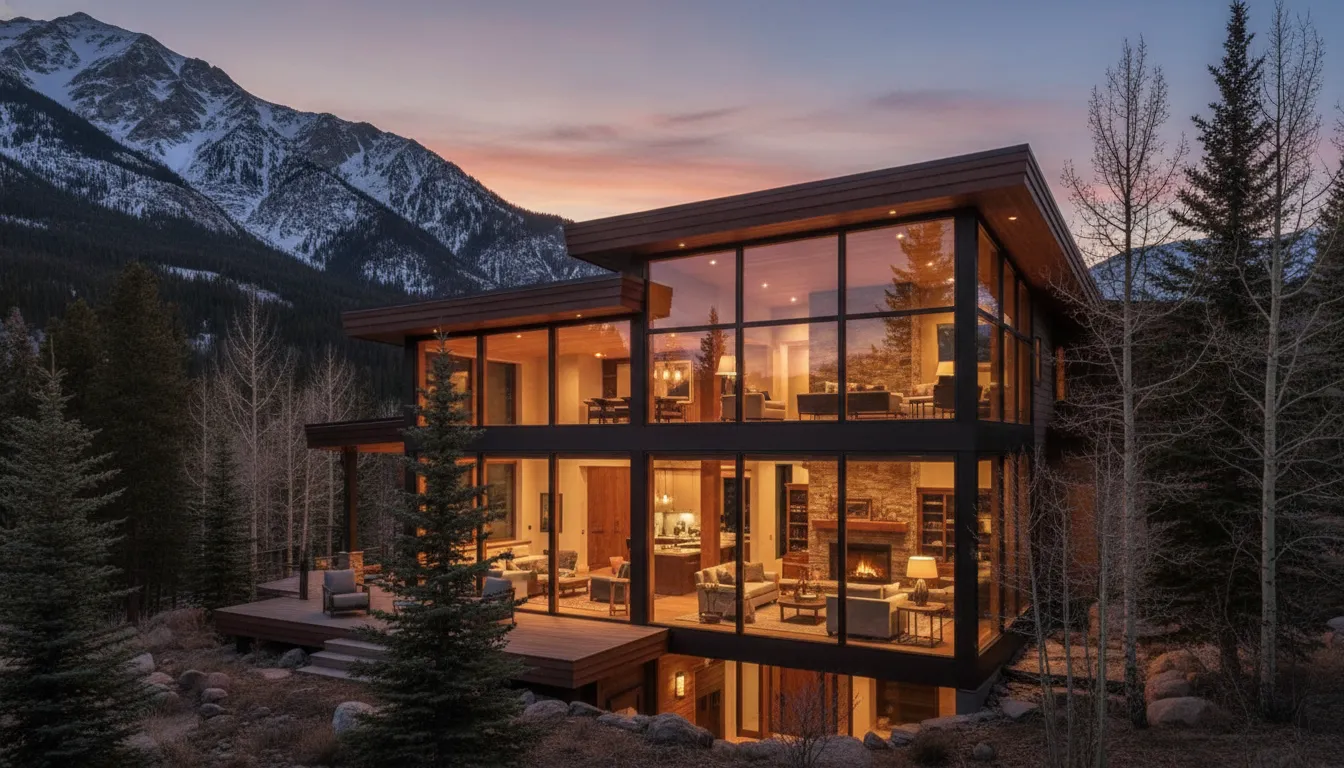


Purchasing a luxury ski cabin in Deer Valley is a landmark achievement that needs a smart financial strategy. For high-net-worth buyers, navigating the credit, debt, and reserve rules for Summit County properties is key. Proper planning helps you secure the right financing without costly delays.
A second home mortgage is a distinct loan used to buy a vacation property you intend to live in part-time rather than rent out. To qualify for this financing, you must meet strict lending rules, including a debt-to-income ratio below forty-five percent. Lenders also require a strong credit profile, typically with a score of at least six hundred and eighty to get the best terms. You must also provide a down payment of ten to twenty percent and show several months of cash reserves to cover both mortgages. Getting pre-approved early helps self-employed and high-net-worth buyers navigate these strict rules and secure a smooth purchase in Park City resort neighborhoods.
Knowing these strict guidelines is the first step toward securing your mountain getaway. Being clear on your options before you apply helps you move quickly and avoid costly delays.
Schedule a consultation with Rodrigo Ballon
To help you prepare, we must first answer the question: What Qualifies as a Second Home for Lenders?
When you buy a second property, lenders will look closely at how you plan to use it. You must know how they define a second home to get the right loan. Conventional lenders expect you to live in the home for part of the year and not rent it out full time. Planning the steps for financing your second home requires you to meet these strict occupancy standards.
To qualify, you must have full control of the property and be able to occupy it at will. This means you can stay there when you want and cannot sign a restrictive rental lease. The home must also be ready for year-round living. Most lenders prefer the property to be a short distance from your main house.
These rules exist because second home loans are not for investment use. If you buy a house to rent it out full time, you must get an investment loan that carries higher rates. True second homes are meant for your own use and pleasure. Some owners do rent them out for a few weeks a year, but this cannot be the main goal.
When you close on the loan, you will sign a special form. Conventional lenders require a multistate second home rider to protect them. This paper is a formal promise that you will occupy the property as your second home. It also states you will keep full control and not hand the home over to a rental firm.
You should also know how federal agencies view these homes. For example, HUD secondary residence standards do not allow vacation or play use. These guidelines are only for cases of true hardship, such as a long work commute. Standard lenders also have strict limits and do not allow second home loans for time-shares.
Lenders do not just take your word when you buy a second home; they look for proof of your intent. For example, they will check the location of the home to make sure it matches your lifestyle. If you buy a mountain home in Park City but live in Salt Lake City, that is easy to explain. But if you buy a home next door to your main house, lenders will likely ask questions.
After the loan closes, lenders can still verify how you use the house. They often ask for utility bills to prove that you stay there. If the bills show zero water or power use, it suggests the home is empty or rented. Working with an expert who knows the local market makes the path to a second home mortgage much smoother.
Buying a vacation home in a mountain area like Park City is a major goal. But many buyers wonder if getting a loan for a second property is hard. Lenders do look more closely at these transactions because they carry more risk. Your second home eligibility depends on financial stability rather than the property type. Lenders want to see that you can handle the cost of two homes without stress. Knowing vacation home mortgage requirements can help you ready your finances before you apply.
When you buy a second home, you must prove you can carry both monthly payments. Lenders will look at your current debt and your new loan. They want to make sure your cash flow is strong enough to cover both bills each month. This extra review is why the process can feel more intense than buying a primary home.
Lenders want to make sure you can manage two monthly housing payments. For this reason, credit score requirements may be stricter for second home financing than for primary homes. While you might get a primary loan with a lower score, a second home often demands a higher tier. A strong credit file shows you can handle extra debt. It also helps you get better loan terms and rates. Keeping your debts low before you apply will make your file look much stronger. A higher score gives the bank confidence that you will pay your bills on time.
Many people who buy luxury properties in Summit County are business owners. If you work for yourself, your path to a loan might look slightly different. Lenders must consider and verify income or assets to ensure your ability to repay. Self-employed borrowers may need additional documentation to qualify for a second home mortgage. You should prepare to share two years of business tax returns and bank statements. Lenders will review these files to verify that your cash flow is steady and reliable. This extra step helps show your business is stable.
Some buyers have high net worth but do not earn a steady monthly salary. This is common for retired people, business owners, or tech leaders. In these cases, standard tax forms may not show your true financial strength. Asset depletion can sometimes be used to qualify for a second home mortgage if income is irregular.
This method lets lenders count your liquid wealth as a source of monthly income. The lender divides your total assets by a set number of months to calculate a monthly income figure. This plan can help you meet the needed ratios without a standard W-2 pay stub.
Lenders must check your financial health when you buy a second home. To comply with federal rules, a mortgage lender must verify your monthly income and your monthly debt. This check helps show you can repay the new loan over time.
When financing your second home, you must prove you can pay both your first home mortgage and your second home mortgage. High-net-worth buyers in Summit County often have complex sources of wealth. You must show tax returns, bank statements, or business records to prove your income.
Many buyers of luxury homes in Park City have unique income setups. If you are self-employed, a business owner, or a tech executive, your pay may be complex. Your cash flow can come from stock options, bonuses, or business profits. Lenders can look at your total assets to measure your financial strength and approve your loan.
Your debt-to-income (DTI) ratio remains a key factor when you qualify for a second property mortgage. Lenders use this ratio to compare your total monthly debts to your gross monthly income. A lower DTI ratio shows that you have enough cash to manage your current loans and a new second home mortgage.
Lenders include many costs in your DTI check. They add up your first home payment, car loans, and credit card debts. They also add the property taxes and home insurance for your second home. If the property has homeowners association (HOA) fees, those must be factored into your monthly costs. All of these housing costs count toward your debt ratio.
Jumbo loans in Summit County often have stricter DTI limits than standard loans. In high-cost areas like Park City, home prices are high and loan amounts are large. For these larger loans, a lender may require a lower DTI ratio to make sure you can manage the debt load. This helps keep your loan safe.
Lenders often require higher cash reserves for second home financing. Reserves are the liquid assets that remain in your bank accounts after you close your loan. These funds prove you can pay your bills if you face a sudden loss of income. Having these reserves helps lenders trust that you are a safe borrower.
For a luxury property in Park City or Deer Valley, you may need six to twelve months of payments in reserve. This cash must cover the payments for both your first home and your new second home. Keeping ample assets in reserve is the best way to show financial strength. It also helps you get a mortgage with good terms.
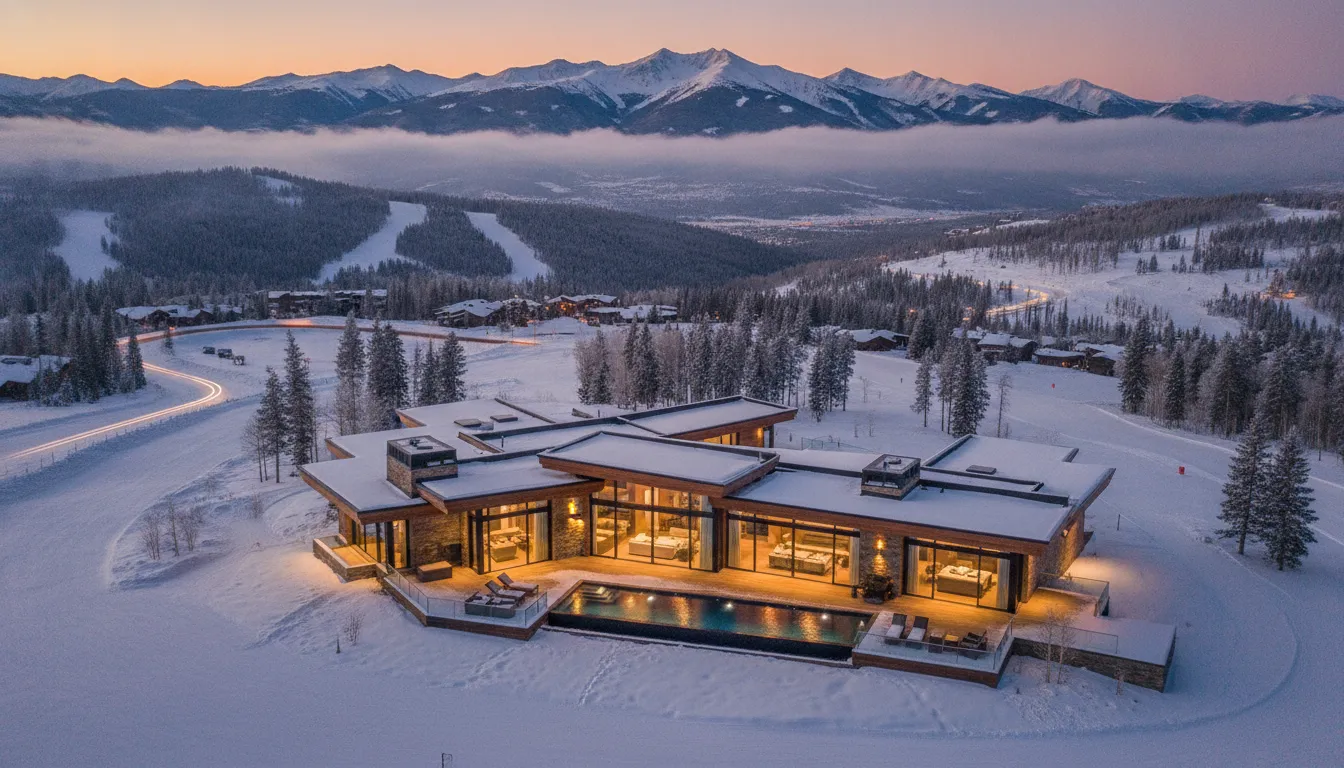
When you buy a home, you must know how you will use it because investment properties are distinct from second homes. A second home vs investment property loan will have other rules for occupancy. For a second home, you must live in the house for part of the year. In contrast, you buy an investment property to generate regular rental income.
Second home loans are not for investment use. To secure your loan, you will sign a Second Home Rider from the FHFA. By signing this form, you agree that you will occupy the home. You also agree that you will not lease the property to a full-time tenant or hand over control.
Vacation homes are sometimes distinct from second homes. This depends on your plans for rental income. For a standard second home, lenders check that the property is not rented out. If you plan to lease the property when you are away, you must seek an investment loan instead.
These properties have other costs and down payment rules. A second home often allows for a lower down payment than an investment property. Lenders see investment properties as higher risk, which means they charge higher interest rates. You must prepare for these higher costs if you lease the home to others.
Credit scores and debt ratios also differ between these loans. You will need a higher credit score to secure an investment loan. Lenders also check your debt ratio with extra care. For a second home, you must prove you can pay both house bills.
You must also look at management rules. For a second home, you cannot have a rental management agreement that blocks your use of the property. Lenders want to know you can occupy the home at will. If an agency controls who stays in the home, the loan is treated as an investment property loan.
Some areas in Summit County have strict local rental rules. If you buy in these areas, check with your lender first. A local team can help you find the right loan path for your goals. This step ensures you comply with all lending rules and tax laws.
| Feature | Second Home Mortgage | Investment Property |
|---|---|---|
| Occupancy | Occupied by borrower part of the year. | Rented to tenants, no owner stay needed. |
| Down Payment | Typically 10% to 20% down. | Typically 20% to 25% or more down. |
| Interest Rates | Slightly higher than primary homes. | Higher rates due to increased risk. |
| Rental Income | Cannot rely on rent to qualify. | Can use rental income to qualify. |
| Management rules | No agreements blocking owner use. | Rental agreements allowed and expected. |
Buying a vacation home starts with choosing the right loan program. Conventional guidelines allow you to buy a vacation property with a standard mortgage. But these guidelines limit how many properties you can finance this way. A borrower may have only one second home mortgage if they wish to qualify under conventional second home guidelines.
Conventional second home loans have strict rules. For example, federal guidelines use a standard form to verify that you will occupy the property yourself. A second home rider amends the security instrument to make sure you use the property as a personal retreat.
Second homes often require larger down payments than primary homes due to increased risk profiles. You will likely need to put down at least ten or twenty percent to secure a standard loan. Lenders want to see that you have a strong stake in the property. This equity helps protect the lender if your personal finances change.
These loans also carry different costs. Second home loans may have slightly higher interest rates compared to primary home loans. This slight premium helps lenders manage the higher risk of a second property. It is wise to plan for a slightly larger monthly payment from the start.
In high-cost resort towns like Park City and Deer Valley, home prices often exceed conventional limits. Jumbo loans for second homes are common in high-cost markets like Summit County. These specialized programs let you borrow larger amounts to buy premium properties.
You can find flexible jumbo loan options that fit your personal financial profile. These jumbo programs do not follow conventional limits. They let you buy high-end ski-in/ski-out properties or golf retreats. But you should expect even stricter down payment and reserve rules for these large luxury loans.

For example, a jumbo second home mortgage may require a down payment of twenty to thirty percent. Lenders also look closely at your cash reserves after closing. You will need to show enough liquid assets to cover many months of housing payments.
Before you begin your home search in Summit County, you must take the first steps. Pre-approval is a crucial first step for second home financing. It shows sellers that you are a serious buyer with verified funds.
A full pre-approval gives you a clear budget for your mountain home search. Your lender will verify your tax returns, bank statements, and debts. This step helps you move fast when you find the perfect luxury home.
Having a pre-approval in hand is highly useful for luxury properties. Sellers of high-end homes in Park City often ask for a pre-approval letter before they show a property. This document gives you an edge in a hot market.
Buying a mountain retreat in Park City requires careful planning. Having a clear path for financing your second home helps you move fast when you find the perfect property. Getting a second home mortgage is different from buying a primary home, but the right planning makes the process smooth and simple.
Lenders will look closely at your financial picture before they approve your loan. For any loan to meet federal rules, lenders must consider and verify your current monthly income or assets alongside your monthly debts. This step checks your true ability to repay the loan over time. Borrowers who want to buy in Summit County should gather their tax returns, bank statements, and business files early.
To satisfy lender guidelines, you must prove that you intend to live in the home for part of the year. Underwriters will review the property type and location to make sure it matches your lifestyle. If you own your own business or have many income streams, showing clear paper trails is key. Working with an expert helps make this paperwork phase simple.
Rodrigo Ballon is a luxury mortgage specialist with CrossCountry Mortgage, LLC (NMLS #3029). He can help you explore second home mortgage options that fit your goals.
Many buyers believe they must put down a full fifth of the price to buy a mountain getaway. This is a common myth, but the real rules are not so stiff. While buying a second property does carry more risk for lenders, you can often secure a loan with less than you think. You can find programs that fit your goals without draining your savings.
You do not always need a huge down payment to buy a second home. For example, some conventional programs allow a down payment as low as 10% for a qualifying second home. Rocket Mortgage requires at least 10% down for a qualifying second-home purchase, although some cases require more. In these cases, you will need to show high credit scores.
But these low options come with strict rules. Under federal qualified mortgage rules, lenders must verify your assets and debt to make sure you can pay back the loan. To qualify, you must show strong credit and steady income. You also cannot rent the home out for most of the year. This helps lenders feel secure about the loan.
Low down payment options are helpful. But in high-cost ski towns like Park City, home prices often exceed conventional loan limits. You will likely need a jumbo loan to buy your mountain home. These large loans carry strict rules.
Because of higher risk profiles, getting a mortgage when financing your second home in Utah often needs a larger down payment. Lenders often ask for 20% or even 30% down. This cash reduces their risk and wins you better terms.
Down payment size is not the only cost factor to think about. You should also look at your interest rate. Second home loans often carry slightly higher interest rates than loans for primary homes.
A larger down payment can help offset this cost. Putting more money down cuts your total loan size, which lowers your monthly cost. Before you buy, you should also review the Second Home Rider rules. These rules state that you must live in the home yourself and cannot hand over control to a rental firm.
Your down payment size, credit profile, and cash reserves all shape the loan program you can choose. Reviewing your funding options with a specialist ensures you pick the right structure for a luxury purchase.
Schedule a consultation with Rodrigo Ballon
Yes, but you must still live in the property yourself. Under the standard FHFA Second Home Rider, you must keep the home for your own use. You cannot rent it under a management contract that keeps you from using it. Renting it out some of the time is often fine, but the home cannot be a full-time business.
Most lenders only let you have one second home mortgage at a time under normal guidelines. If you buy more homes, those loans must be written as investment properties. These other loans have tougher rules and need a larger down payment.
Lenders check to see if you live in the property yourself. They will ask you to sign an occupancy document at closing. Later, they may ask for utility bills in your name. This proves you are actually using the home as a second residence.
Yes, lenders want to see extra cash reserves left in your account after you pay your closing costs. This ensures you can cover your bills if you face a financial setback. While a primary home might only need a few months of payments, a second home often requires six months or more of reserves.
Buying a second home in a highly competitive luxury market like Park City requires careful preparation. Waiting to start your mortgage process can cause you to miss out on prime mountain properties when they become available. Starting early gives you a clear advantage by allowing you to organize complex income and resolve program guidelines.
This proactive approach helps ensure a seamless transition and prevents last-minute closing delays. Securing your pre-approval now means you can act quickly and with complete confidence when the right property hits the market. Taking action today ensures you have a dedicated partner guiding you through every step.
Ready to get started? Contact us today to schedule a consultation with Rodrigo Ballon about your second home financing.