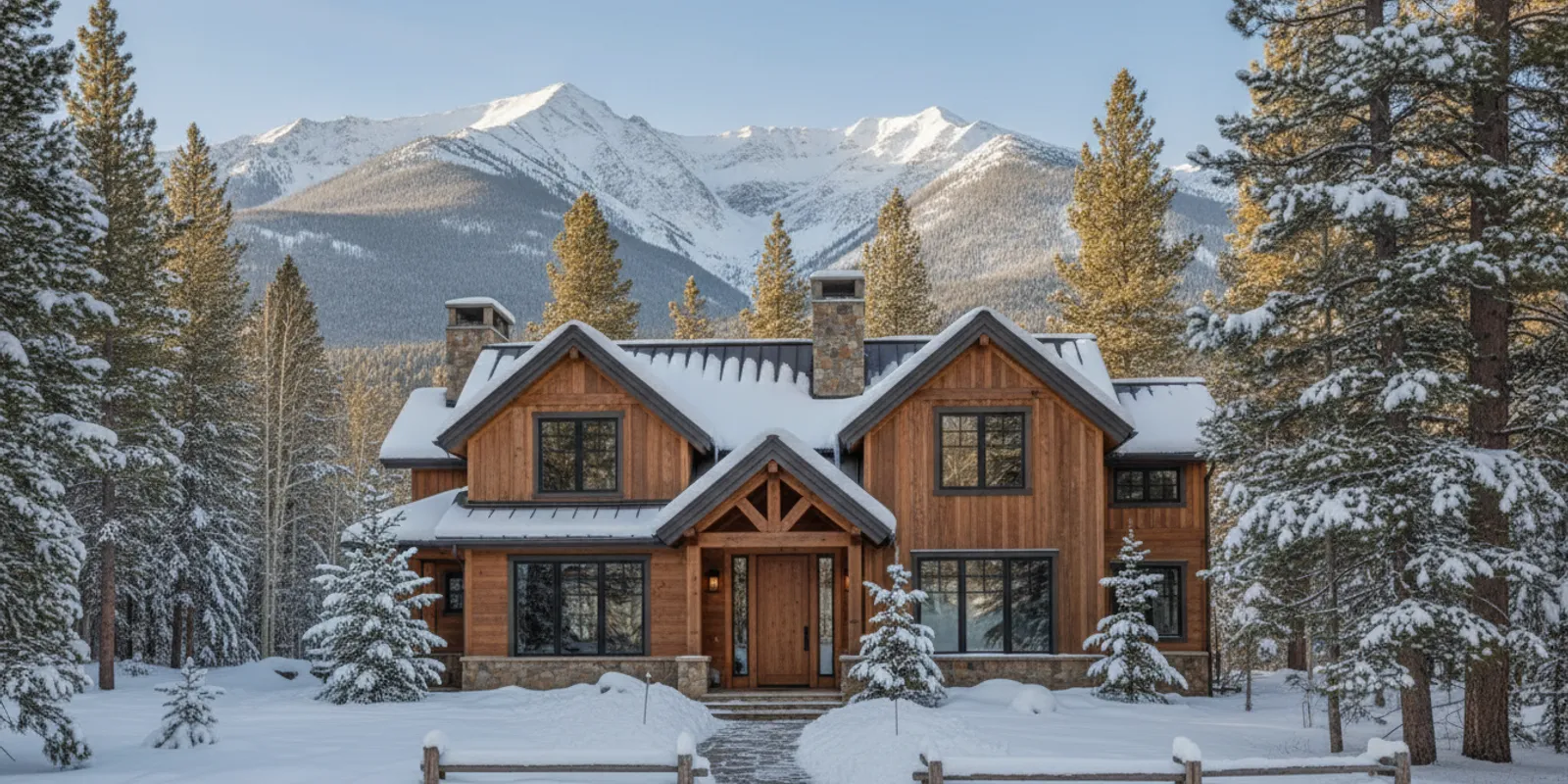


Financing a property in Park City isn’t like buying a home anywhere else. The market is unique, with a mix of ski-in/ski-out estates, luxury resort condos, and historic Old Town residences, each with its own set of financing considerations. Generic mortgage advice simply doesn’t apply here. You need a strategy tailored to the specifics of a high-altitude, luxury resort market. This is especially true when you need a jumbo loan for ski property investment. Lenders need to understand the value of direct slope access and the nuances of HOA rules in places like Deer Valley. This guide provides that local insight, breaking down what makes the Park City market tick and how to successfully finance your property here.
When you’re shopping for a luxury ski property in a place like Park City, you’ll quickly hear the term “jumbo loan.” It sounds intimidating, but it’s really just a mortgage that’s larger than a conventional loan. The key difference comes down to size. Because jumbo loans are for higher amounts, they don't fit into the standard box set by government-backed guidelines, which changes the rules for qualifying. This distinction is crucial because it affects everything from the interest rate you might get to the amount of paperwork you'll need to provide.
Think of it this way: conventional loans are the standard, off-the-rack option, designed to be easily bought and sold on a secondary market. Jumbo loans, on the other hand, are the custom-tailored suit. They’re designed specifically for high-value properties and come with their own set of requirements and features because the lender who issues the loan often keeps it on their own books. This means the lender has a more direct interest in your ability to repay it. Understanding this distinction is the first step in financing your dream mountain home, as it will shape your entire mortgage experience. Let's break down exactly what sets these two loan types apart.
A conventional loan is also known as a "conforming" loan because it conforms to a set of standards. These standards include a maximum loan amount, known as the conforming loan limit, which is set by the Federal Housing Finance Agency (FHFA). These limits exist so that mortgages can be easily purchased by government-sponsored enterprises like Fannie Mae and Freddie Mac. In most parts of the country, there's a standard limit, but in high-cost areas like Summit County, that limit is higher. Still, with the price of luxury real estate in Park City, many properties easily exceed even these expanded limits. When your loan amount crosses that line, you officially enter jumbo territory.
The main reason jumbo loans have different rules is risk. Because they don't meet conforming guidelines, they can't be bought or guaranteed by Fannie Mae or Freddie Mac. This means the lender who gives you the loan assumes all the risk. If a borrower defaults on a million-dollar loan, the bank can’t pass that loss on to a government-sponsored entity; it has to absorb the entire financial hit itself. This increased exposure for the lender is why they have stricter qualification standards for jumbo borrowers. They need extra assurance that you have the financial stability to handle a larger mortgage payment, which is why they look so closely at your credit, income, and assets.
Let’s clear up a couple of common misconceptions about jumbo loans. The biggest myth is that their interest rates are always significantly higher than conventional loans. While the rate can be higher due to the lender's increased risk, that’s not always the case. In certain market conditions, jumbo loan rates can be very competitive, sometimes even slightly lower than conforming rates. It all depends on the economic climate and the lender. Another myth is that the application process is a nightmare. While it’s true that the documentation requirements are more rigorous, it’s far from impossible. With the right preparation and an experienced loan officer guiding you, the process can be straightforward and efficient.
Securing a jumbo loan for that dream ski property in Park City involves a few more steps than a conventional mortgage, but it's completely achievable with the right preparation. Because these loans are for amounts that exceed federal conforming limits, lenders take a closer look at your overall financial picture to feel confident in your ability to handle the mortgage. They’ll focus on four key areas: your credit score, down payment, income, and cash reserves. Let's walk through what you’ll need for each one so you can put your best foot forward.
When you apply for a jumbo loan, lenders will want to see a strong credit history. Generally, you’ll need a credit score of at least 700, though many lenders prefer a score of 740 or higher to offer you the most competitive rates and terms. A higher score signals that you have a solid track record of managing your finances responsibly, which is especially important when financing high-value home loans. Think of your credit score as a measure of financial trust. A great score not only helps you get approved but also gives you more negotiating power for a better interest rate, saving you a significant amount of money over the life of your loan.
For a jumbo loan, you should plan on making a larger down payment than you would for a conventional loan. While the exact amount can vary, most lenders will require a down payment of at least 10% of the home's purchase price. For some properties or borrowers, this could be as high as 20% or even 30%. This substantial investment reduces the lender's risk and demonstrates your own financial commitment to the property. A larger down payment also lowers your loan-to-value ratio, which can help you secure a better interest rate and avoid private mortgage insurance (PMI), a common requirement for jumbo loans with smaller down payments.
Lenders need to see that you can comfortably afford your new mortgage payment on top of your existing financial obligations. To do this, they’ll look closely at your debt-to-income ratio (DTI). This figure represents the percentage of your gross monthly income that goes toward paying your monthly debts, like car payments, credit card bills, and other loans. For a jumbo loan, lenders typically want to see a DTI of 43% or lower. A low DTI shows that you have plenty of room in your budget to handle the new mortgage payment without stretching your finances too thin, even if unexpected expenses come up.
Beyond the down payment and closing costs, lenders will want to see that you have sufficient cash reserves. These are liquid funds, like money in a savings or investment account, that you can access easily. Lenders typically require you to have enough savings to cover anywhere from six to twelve months of your total mortgage payments (including principal, interest, taxes, and insurance). Having these cash reserves provides a financial safety net. It gives the lender confidence that you can continue making your payments even if you experience a temporary drop in income, which is a key factor in their decision to approve a large loan.
Whether you’re dreaming of a slopeside retreat for your family or a high-end condo to generate rental income, a jumbo loan can help you secure your perfect Park City property. The type of home you choose will influence some of the financing details, so it’s helpful to understand the distinctions before you start your search. From sprawling ski-in/ski-out estates in Deer Valley to modern condos in Canyons Village, each property type comes with its own set of considerations for lenders. For example, a property intended for personal use is often viewed differently than one you plan to rent out as an investment. Understanding these nuances is the first step toward a smooth financing process. It allows us to find the best loan structure for your specific goals and ensures there are no surprises along the way.
Financing a luxury property in a world-class ski destination isn't a one-size-fits-all process. The property's location, its intended use, and even its association with a resort can affect everything from your down payment to your interest rate. That's why working with a local expert who understands the Park City market is so important. We can help you see the full picture, from HOA regulations on short-term rentals to the specific appraisal requirements for unique mountain homes. Let’s look at the most common types of ski properties in the Park City area and what financing them looks like.
For many buyers, a ski-in/ski-out home is the ultimate mountain luxury. These properties offer direct access to the slopes, allowing you to start and end your ski day right at your doorstep. Because of their prime location and desirability, these homes in areas like Deer Valley and Park City Mountain Resort often have price tags that exceed standard lending limits. This is where a jumbo loan becomes essential. Financing for these exclusive mountain homes typically involves a jumbo loan for amounts above the conforming limit. We specialize in structuring these loans to fit the unique value and appeal of premier ski properties, ensuring your financing process is as seamless as your access to the powder.
It’s important to clarify how you plan to use your ski property, as lenders view second homes and investment properties differently. A second home is for your personal use, while an investment property is primarily for generating rental income. Lenders generally see second homes as less risky, which can translate into more favorable terms, like a down payment of around 10% to 20%. An investment property, on the other hand, might require a larger down payment. Defining your goal upfront helps us tailor the right financing strategy for you. You can explore more common questions on our FAQs page to see how your property's use can impact your loan.
A luxury condo in a resort like Canyons Village offers incredible amenities and a turnkey lifestyle, making it a popular choice for many buyers. Financing a condo with a jumbo loan is very common, but it involves an extra step: a review of the homeowners association (HOA). Lenders will want to see that the HOA is financially healthy and that its rules don't present a risk. If you plan to rent out your condo, it’s also crucial to check the HOA’s short-term rental policies. We can help you understand these details and find competitive jumbo loan rates for your ideal resort property, so you can move forward with confidence.
Buying a ski home in a place like Park City is an exciting milestone. A jumbo loan is often the key to unlocking those incredible mountain properties, but it's a significant financial commitment. Making the right choice means weighing the benefits against the requirements to see if it aligns with your personal and financial goals. Let's break down the pros, cons, and tax considerations so you can decide with confidence.
The most significant advantage of a jumbo loan is simple: it gives you the purchasing power to buy the home you really want in a high-value market. In areas like Park City and Deer Valley, where property values often exceed conventional loan limits, a jumbo loan is essential. It opens the door to luxury condos, ski-in/ski-out residences, and sprawling mountain retreats. You also gain flexibility with financing options, including both fixed and adjustable rates. This allows you to tailor a loan strategy that fits your long-term investment plans, whether you're buying a second home for family getaways or an investment property to generate rental income.
Because jumbo loans are for larger amounts and aren't backed by government agencies, lenders view them as having more risk. To offset this, they have stricter qualification standards. You should be prepared for a higher bar when it comes to your finances. Lenders will typically look for a strong credit score, a substantial down payment (often 20% or more), and a low debt-to-income ratio. You’ll also need to show significant cash reserves, which are funds you have available after your down payment and closing costs. These stricter lending requirements aren't meant to be a barrier, but rather a way for lenders to ensure the loan is a sustainable fit for you.
The tax implications of a jumbo loan can be quite favorable, but they are complex. One of the primary benefits is the ability to deduct mortgage interest, which can lead to significant tax savings on a large loan. However, there are federal caps on how much mortgage debt qualifies for this deduction, so it's important to understand the current limits. The tax rules also change depending on how you use the property. A second home has different tax considerations than an investment property that you rent out. For a rental, you can typically deduct operating expenses. It's always a smart move to consult a tax advisor who can provide guidance based on your specific financial situation and how you plan to use your new ski home.
Once you’ve decided a jumbo loan is the right path for your ski property, the next big question is about the loan structure itself. Jumbo loans, much like their conventional counterparts, primarily come in two types: fixed-rate and adjustable-rate. The one you choose can have a significant impact on your monthly payments and overall financial strategy. This isn’t just a minor detail; it’s a core part of your investment plan. Your decision will depend on your personal financial goals, how long you plan to own your Park City retreat, and your comfort level with market changes. There's no single right answer, but understanding the mechanics of each loan type will empower you to make a choice that aligns perfectly with your vision for your mountain property. Let's walk through when each option makes the most sense.
A fixed-rate jumbo loan is all about predictability. With this option, you lock in your interest rate for the entire life of the loan, which could be 15, 20, or 30 years. This means your principal and interest payment will never change. For many ski property investors, this stability is a huge advantage. If you envision your Park City home as a long-term family legacy or a rental property you’ll hold for decades, a fixed rate is often the best choice. It simplifies your financial planning, allowing you to budget with confidence for other costs like property management, maintenance, and HOA fees without worrying about a surprise rate hike down the road.
An adjustable-rate mortgage, or ARM, offers a different kind of advantage. These loans typically start with a lower interest rate for an initial fixed period, such as five, seven, or ten years. After this period ends, the rate adjusts based on the market. This can be a very strategic choice if you don't plan to own the property for the full 30-year term. For instance, if you plan to sell your ski condo before the initial fixed-rate period is over, you can benefit from the lower payments. This structure can also help investors maximize cash flow in the early years of ownership. The key is to have a clear exit strategy and a solid grasp of the loan process before committing.
Buying a ski property in a place like Park City is more than just acquiring a vacation spot; it's a significant financial investment. To make sure it's a smart one, you need to look past the stunning mountain views and analyze the numbers. A thorough evaluation will help you understand the property's potential for both rental income and long-term growth. This process involves looking at everything from initial income projections to ongoing costs. By taking a clear-eyed approach, you can feel confident that your mountain retreat is also a sound addition to your portfolio.
Before you make an offer, it’s important to understand two key metrics: capitalization rate (cap rate) and cash flow. The cap rate helps you compare the potential return on different properties, giving you a quick snapshot of profitability. You calculate it by dividing the property's net operating income by its current market value. Cash flow is simpler: it’s the money left over each month after you’ve paid all the expenses, including your mortgage. The great news for investors is that you can often use the expected rental income from the property to help you qualify for your jumbo loan, which can make a significant difference in your financing strategy.
Ski towns have distinct high and low seasons, and your rental income will reflect that. Projecting your occupancy rates accurately is crucial for a realistic financial picture. Look at data from similar local properties to estimate how often your home will be rented out during peak ski season versus the quieter summer months. It's also important to know how you plan to use the property. Lenders often see a second home (for personal use) as less risky than a pure investment property (rented out full-time). This distinction can influence your down payment requirements and loan terms, so it’s a key factor to consider as you build your financial projections.
A great investment property generates cash flow and grows in value over time. Park City and other luxury resort markets have historically seen strong demand, which helps drive property appreciation. Much like other high-value real estate markets, the limited supply of premier ski-in/ski-out homes and luxury condos keeps values competitive. When you're evaluating a property, look at its location, amenities, and the overall development plans for the area. These factors contribute to its long-term appreciation potential and can turn a great vacation home into an even better long-term asset.
To get a true sense of your property's profitability, you need a complete list of all operating expenses. Beyond the mortgage, this includes property taxes, insurance, utilities, and maintenance. In a ski town, Homeowners Association (HOA) fees can be a significant expense, but they also cover essential services like snow removal, landscaping, and access to amenities like pools, hot tubs, and fitness centers. When you're reviewing a property, get a clear breakdown of what the HOA fee includes. Understanding these recurring costs is essential for accurately calculating your net income and ensuring your investment performs as expected.
Park City is more than a world-class ski destination; it's a vibrant and complex real estate market with incredible opportunities for savvy investors. Understanding the local landscape is the first step toward making a smart purchase. The market here is shaped by its distinct neighborhoods, the growing trend of remote work, and important local regulations that can influence your investment strategy. Let's look at what makes Park City's property market tick.
Choosing the right neighborhood is key to a successful investment in Park City. Each area offers a different lifestyle and return potential. Deer Valley is famous for its exclusive, luxury ski-in/ski-out homes and five-star service. Meanwhile, the area around Park City Mountain Resort is a bustling hub for both winter and summer activities, attracting a steady stream of visitors.
For those who love charm and walkability, the historic Old Town neighborhood offers a unique blend of Victorian architecture, lively restaurants, and boutiques. Over at Canyons Village, you'll find modern resort condos and a growing community with fantastic access to the slopes. Exploring the Park City real estate market will help you pinpoint which of these popular areas aligns best with your investment goals.
The shift toward flexible work arrangements has profoundly impacted resort towns like Park City. More people are realizing they can trade their city skyline for a mountain view, turning what might have been a second home into a primary residence. This trend has increased demand for properties that offer more than just vacation amenities.
Today's buyers are looking for functional, year-round homes with dedicated office spaces and, most importantly, reliable high-speed internet. This remote work effect means properties that can comfortably accommodate both work and play are in high demand. For investors, this signals a strong market for well-equipped homes that appeal to a new generation of mountain-living professionals.
If generating rental income is part of your plan, getting familiar with Park City's short-term rental rules is essential. To maintain a balance between the tourism economy and community quality of life, the local government has put specific regulations in place. These rules can vary by neighborhood and property type, directly affecting your ability to rent out your home and your potential income.
Before you make an offer, it's critical to research the zoning for any property you're considering. Understanding these guidelines will ensure your investment is both compliant and profitable. The Park City Municipal Corporation provides detailed information on its short-term rental policies, which is a must-read for any prospective investor.
Applying for a jumbo loan might seem intimidating, but a strong application is all about preparation. Lenders are looking for a clear picture of your financial health to feel confident in your ability to manage a larger loan. By taking a few strategic steps before you apply, you can present yourself as a reliable borrower and make the entire process smoother. Think of it as setting the stage for a successful purchase. Focusing on your credit, debt, and savings will put you in the best possible position when you're ready to find that perfect Park City property.
Your credit score is one of the first things lenders look at. For a jumbo loan, they are typically looking for a score of 700 or higher, with the best terms often reserved for those with scores of 760 and above. A strong credit profile shows a history of responsible borrowing and timely payments. If your score isn't quite there yet, you can work on it by paying down credit card balances and ensuring all your bills are paid on time. A solid credit history not only helps you get approved but can also help you secure more competitive rates for your loan.
Your debt-to-income ratio, or DTI, is another key metric. It compares your total monthly debt payments (like car loans, student loans, and credit card payments) to your gross monthly income. For a jumbo loan, lenders generally prefer a DTI of 43% or less. A lower DTI signals that you have enough income to comfortably cover your existing debts plus a new mortgage payment. If your DTI is on the higher side, consider paying off smaller loans or reducing credit card debt before you apply. This simple step can make a significant difference in your application.
Lenders want to see that you have a financial cushion. For jumbo loans, it’s common to be asked for substantial cash reserves, which is liquid money available after your down payment and closing costs. Often, lenders require enough reserves to cover anywhere from six to twelve months of mortgage payments. This demonstrates that you have the financial stability to handle your loan obligations, even if you face an unexpected expense or a temporary dip in income. Building up your savings shows you are a low-risk borrower who is well-prepared for homeownership.
If you're self-employed, documenting your income can sometimes be complex. Traditional income verification relies heavily on tax returns, which may not fully reflect your true cash flow due to business deductions. The good news is that you have other options. We often guide self-employed clients through "bank statement" or "asset-based" loan programs. These alternatives use your bank statements or assets to verify income, which can simplify the application process. Our team has extensive experience helping self-employed borrowers in Park City find the right financing for their situation.
When you're buying a ski property as an investment or a second home with rental potential, you may be able to use its projected rental income to help you qualify for the loan. This is especially helpful in a market like Park City, where properties can generate significant seasonal revenue. Lenders can use an appraiser's estimate of the property's fair market rent to supplement your income on the application. This can strengthen your financial profile and demonstrate the property's own potential to contribute to the mortgage payments. Understanding how it works can make a big difference in your approval.
Once you’ve strengthened your financial profile, you can move forward with the jumbo loan application. This stage involves more detailed documentation than a conventional loan, but don't let that intimidate you. Being organized is your best strategy for a smooth and efficient experience. Think of it as putting together a complete financial picture that shows lenders you're a reliable borrower for a high-value property. A little preparation goes a long way and helps your mortgage partner advocate for you effectively.
The application process can be broken down into a few key steps, from gathering your paperwork to securing the property itself. By understanding what lenders need to see and preparing for each stage, you can avoid common delays and feel confident as you move toward closing day. Our team at Utah's Mortgage Pro is here to guide you through every part of the loan process, ensuring you know exactly what to expect. Let’s walk through the essential steps to get you ready.
Lenders will ask for a comprehensive set of financial documents to verify your income, assets, and credit history. It’s a good idea to start collecting these papers early so you have everything in one place when you're ready to apply. You should be ready to provide at least two years of tax returns and W-2s, your most recent pay stubs, and several months of bank and investment account statements. Because a person will often review all your financial information closely, having these documents organized makes the underwriting process much faster. This paperwork helps paint a clear picture of your financial health and your ability to manage a jumbo loan.
The property appraisal is a critical step in any mortgage process, but it carries extra weight with a jumbo loan. Because these homes are so expensive, they need a very detailed appraisal to make sure the loan amount matches the home's true value. For a unique ski-in/ski-out home or luxury condo in Park City, the appraiser will conduct an in-depth analysis of the property's features, location, and comparable sales. In some cases, a lender might even require a second appraisal to confirm the valuation. This thorough approach protects both you and the lender by ensuring the property is a sound investment.
Before you can close on your new ski home, you’ll need to have homeowners insurance in place. Lenders require proof of an active policy as a condition of funding the loan. For a high-value property in a mountain environment, you may need a specialized policy that covers risks like heavy snowfall or specific features of a luxury home. It's wise to start shopping for insurance as soon as your offer is accepted. This gives you enough time to compare quotes and find the right coverage without rushing before your closing date. Being ready for closing by getting homeowners insurance is a simple step that prevents last-minute holdups.
An interest rate lock freezes your interest rate for a set period, typically between 30 and 60 days, protecting you from market fluctuations while your loan is processed. Deciding when to lock is a strategic choice. Locking too early might mean you miss out if rates drop, but waiting too long is a gamble if rates are on the rise. Working with a mortgage specialist who understands the jumbo market is key. They can offer guidance based on current trends and help you choose the right moment to secure your rate. You can explore current jumbo loan rates to get a better sense of today's market.
The path to financing your dream ski property might seem complex, but it’s a clear, step-by-step process. When you know what to expect, you can move forward with confidence. From getting your finances in order to finally getting the keys, here’s a look at what the jumbo loan journey entails.
Getting pre-approved is your first real step. It’s more than just a preliminary check; it’s a powerful tool that shows sellers you’re a serious contender and gives you a firm budget to work with. During pre-approval, a lender will review your finances to determine how much you can borrow. This is also the perfect time to start comparing your options. You’ll find that jumbo loans can come with 30-year payment plans or shorter terms. It’s smart to look for lenders who specialize in rates and flexible terms than traditional banks.
Once you’ve found a property and your offer is accepted, the clock starts ticking toward closing day. Securing a mortgage for a ski resort home typically takes about 30 to 45 days, though more unique or complex properties can sometimes take a bit longer. During this time, your lender will order an appraisal, the underwriting team will verify all your financial documents, and you’ll secure homeowners insurance. The process culminates on closing day, when you’ll sign the final loan documents and officially take ownership of your new ski home. A great loan officer will keep you updated every step of the way so you never feel left in the dark.
When you’re buying a high-value property in a unique market like Park City, who you work with matters. Partnering with a lender who truly knows resort-area financing can make all the difference. A local jumbo loan specialist understands the nuances of ski-in/ski-out properties, luxury condos, and the specific appraisal challenges that can arise in mountain towns. They have established relationships with local real estate agents and appraisers, which helps streamline the entire process. Think of them as your financial guide to the local market, helping you find the best loan options and ensuring a smooth journey from application to closing. The right expert's reviews often speak for themselves.
Are jumbo loan rates always higher than conventional loan rates? This is a common myth, but the answer is no, not always. While it seems logical that a larger, riskier loan would have a higher rate, the market is more complex than that. In certain economic conditions, jumbo loan rates can be very competitive, sometimes even dipping slightly below the rates for conforming loans. It all depends on lender demand and their specific lending goals at the time. It's always best to compare current rates from a specialist.
Is a 20% down payment always required for a jumbo loan? While a 20% down payment is a great goal and can help you get the best terms, it isn't always a strict requirement. Many lenders, especially those who specialize in jumbo financing, offer programs that allow for down payments as low as 10%. Keep in mind that a smaller down payment might mean you'll have to pay for private mortgage insurance (PMI) or accept a slightly different loan structure, but it provides flexibility for qualified buyers.
I plan to rent out my ski condo. How does that affect my loan application? Planning to rent out your property is a great strategy, and it impacts your loan in two main ways. First, the lender will likely classify the property as an investment, which may require a larger down payment than a second home intended only for personal use. On the positive side, you can often use the property's projected rental income to help you qualify for the loan, which can significantly strengthen your financial profile on the application.
As a self-employed buyer, my tax returns don't show my full income. Am I out of luck? Not at all. This is a very common situation for entrepreneurs and business owners, and we have specific solutions for it. Instead of relying solely on tax returns, we can often use alternative documentation, such as 12 or 24 months of your business or personal bank statements, to verify your income. These "bank statement loans" are designed for self-employed borrowers and can provide a clearer picture of your true cash flow.
Why can't I just use my regular bank for a jumbo loan in Park City? You certainly could, but financing a luxury property in a unique resort market comes with its own set of challenges. A local specialist understands the nuances of appraising a ski-in/ski-out home, knows the financial health of different condo HOAs, and has relationships with local real estate agents. This specialized knowledge helps anticipate and solve problems before they can delay your closing, ensuring a much smoother and more efficient process from start to finish.