


A luxury home appraisal in Park City is less about applying a standard price per square foot and more about explaining why a distinctive property belongs in a particular value range. Limited comparable sales, neighborhood-level differences, ski access, acreage, custom construction, renovations, and resort amenities can all influence the appraiser's analysis. For a jumbo borrower, understanding that analysis early can make the financing plan more resilient if the appraised value differs from the contract price.
Discuss your Park City property and a tailored jumbo financing plan with Rodrigo Ballon.
The appraisal is an independent opinion of market value prepared for the lender. It is not a guarantee of resale value, a home inspection, or a judgment about whether a buyer should proceed. Its immediate financing role is to help the lender evaluate the property as collateral and calculate loan-to-value based on applicable program guidelines.
Park City luxury properties can be difficult to appraise because the most meaningful value differences are often property-specific and neighborhood-specific, while truly comparable recent sales may be scarce.
A custom home in Promontory, a ski-access residence in Deer Valley, a historic home in Old Town, and a condo in Canyons Village may all be marketed as luxury real estate. They do not, however, compete for buyers in exactly the same way. An appraiser must identify the property's likely market segment before selecting comparable sales and making adjustments.
The problem becomes more nuanced when a home combines features rarely found together. Consider a recently renovated residence with protected mountain views, direct ski access, a large homesite, and extensive outdoor living. A nearby sale may match the location but not the renovation quality. Another may match the size and finishes but lack ski access. The report must reconcile those differences with supportable market evidence rather than simply treating every premium feature as an equal dollar addition.
In a conventional subdivision, several recent sales may share similar floor plans, lots, and finishes. Park City's high-end inventory is more heterogeneous. A credible report may need to consider older sales, a broader geographic area, or comparables that require substantial adjustments. The important question is not whether every comparable is identical. It is whether the report explains why each sale is relevant and how its material differences were handled.
Location analysis should go beyond a Park City mailing address. Ski access, resort proximity, view orientation, privacy, road access, club amenities, short-term rental rules, and neighborhood character can shape buyer demand. Old Town walkability is not interchangeable with acreage and privacy in an outlying gated community. A thoughtful appraisal recognizes which attributes buyers in that specific segment are paying to obtain.

An appraiser considers the features that the market recognizes and then looks for evidence of their contribution to value. Cost, craftsmanship, and personal appeal do not automatically translate dollar for dollar into appraised value.
For Park City properties, the analysis often centers on location, site characteristics, design quality, condition, and amenities. The relative importance of each feature depends on the property's competitive market. A heated driveway may be common and expected in one segment, while exceptional ski access or a protected view corridor may be a stronger differentiator.
| Feature | What the appraiser may examine | Why interpretation matters |
|---|---|---|
| Ski access | Type, convenience, reliability, and directness of access | True ski-in/ski-out access may compete differently from shuttle or nearby access |
| Views and privacy | Orientation, permanence, neighboring development, and site position | Two similar homes can appeal to different buyers because of setting alone |
| Acreage and lot utility | Usable land, grade, access, landscaping, and development limitations | More acreage is not automatically more valuable if much of it is not usable |
| Renovations | Recency, quality, permits, scope, and consistency with the home | Renovation cost may differ from the market's contribution to value |
| Custom amenities | Design, quality, condition, and buyer demand | A wine room, theater, wellness area, or guest suite must be evaluated in context |
| Condo or resort ownership | Unit position, views, services, dues, restrictions, and project characteristics | Two units in the same project may still have meaningful value differences |
Custom stonework, millwork, mechanical systems, integrated technology, and landscape improvements can be difficult to understand during a single visit. A concise improvement record helps distinguish a comprehensive renovation from cosmetic updates. It also gives the appraiser a clearer basis for researching how the market has responded to comparable quality.
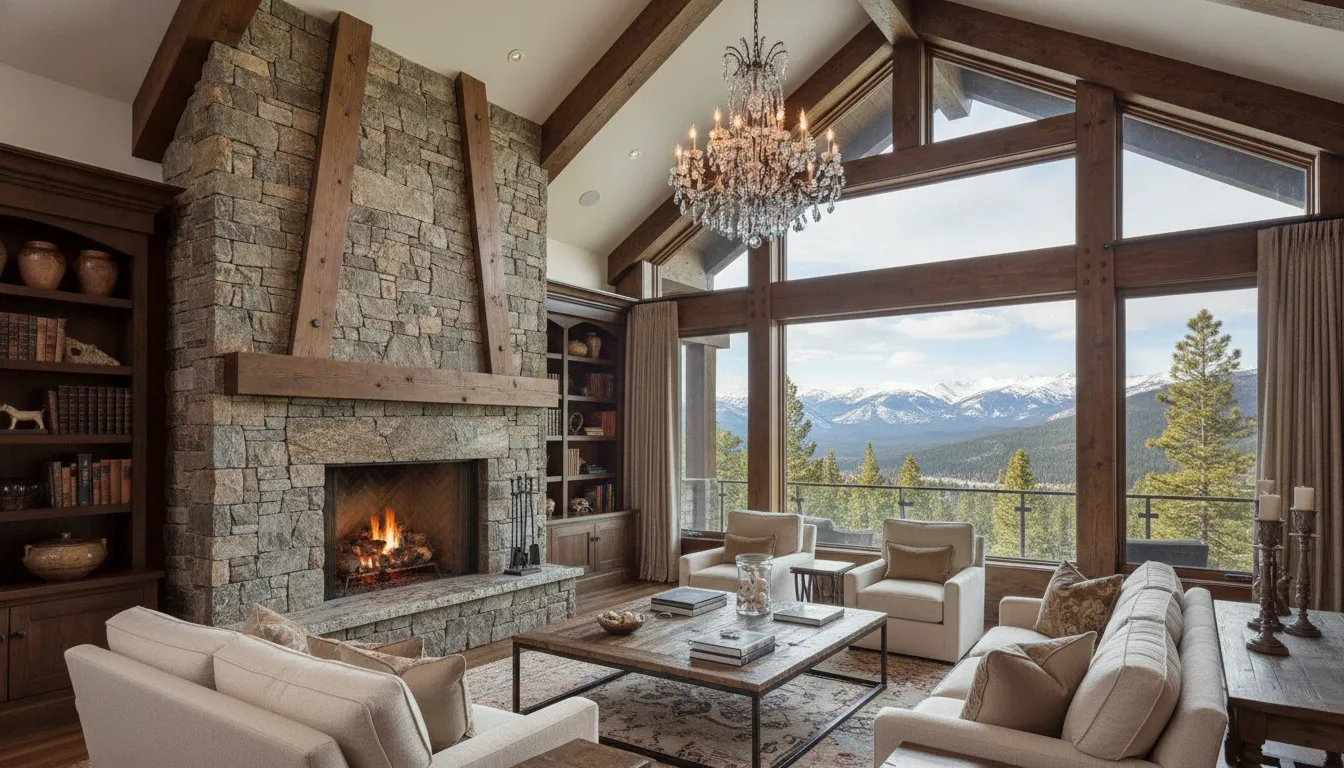
The best preparation is an accurate, organized property package that helps the appraiser identify material features without trying to direct the final value.
Borrowers should coordinate through the lender and appropriate transaction professionals. Appraisal independence rules limit improper influence on the appraiser. Providing factual documents and reasonable property access is useful; advocating for a predetermined value is not.
Financing preparation should begin before the appraisal is ordered. A strong Park City jumbo loan strategy considers income documentation, liquidity, reserves, and property eligibility alongside value. Buyers who want to understand the broader schedule can also review how long jumbo loan pre-approval may take.
Ask Rodrigo how appraisal timing and loan-to-value scenarios can fit your purchase strategy.
Review the report for factual accuracy, relevant comparable sales, clear adjustments, and a well-supported reconciliation of value. Focus on evidence, not merely whether the conclusion matches the purchase price.
Start with objective information: address, ownership interest, site size, living area, room count, property type, condition, and improvements. Then confirm the report accurately describes material attributes such as ski access, renovation scope, view, accessory spaces, and neighborhood. A factual error does not automatically change value, but it should be identified promptly through the lender.
Ask why each comparable was selected. A sale farther away may be useful if it competes for the same buyer and shares the subject's defining features. A nearby sale may be less persuasive if it belongs to a different market segment. Review the date of sale, location, size, quality, condition, amenities, and adjustments. Large or numerous adjustments deserve a clear explanation, especially when the available sales are not close substitutes.
The reconciliation explains how the appraiser weighed the available approaches and comparables. This narrative can reveal whether the conclusion relies heavily on one particularly similar sale or balances several imperfect indicators. For a distinctive property, the reasoning behind the conclusion is often more informative than a single adjustment line.
A borrower who finds a material error should send concise supporting evidence to the lender and ask about the lender's reconsideration-of-value process. Useful evidence may include corrected records or relevant closed sales that were not considered. Assertions about what a feature "should" be worth are less persuasive without market support.
When the appraised value is below the contract price, the lender generally evaluates the loan using the lower value. The borrower, seller, and lender then determine which available path fits the contract, finances, and loan guidelines.
A value gap does not automatically end a transaction. It can, however, change the loan-to-value calculation and the cash required at closing. Depending on the purchase agreement and borrower profile, possible responses may include:
The right response is strategic rather than automatic. A buyer who can bridge the gap may still prefer to renegotiate. Another buyer may preserve liquidity and revise the loan structure. Buyers purchasing a second residence should also consider how value, reserves, and occupancy interact with Park City second-home financing. Those evaluating rental income and a different ownership objective can review considerations for financing a luxury investment property.
A sophisticated jumbo strategy treats appraisal risk as a scenario to plan for, not a surprise to address days before closing.
Before making an offer, discuss how a lower appraised value could affect the planned down payment, desired liquidity, and loan-to-value target. The most useful conversation considers multiple values rather than assuming the contract price will be confirmed. It should also account for a borrower's income structure, assets, reserves, property use, and long-term financial priorities.
Self-employed buyers, executives with stock compensation, and borrowers with irregular income may already have a more detailed underwriting process. Coordinating property analysis with borrower documentation can reduce avoidable friction. If you are still selecting a lending partner, these considerations can help when evaluating mortgage lenders in Park City.
Rates, terms, down-payment requirements, reserves, appraisal requirements, and program availability vary by borrower, property, market conditions, and lender guidelines. No financing outcome or appraisal result is guaranteed.
No. The contract is relevant market evidence, but the appraiser develops an independent opinion of value using the property, market data, and applicable appraisal methods. A well-supported contract price may align with the appraisal, but alignment is not guaranteed.
Yes. Construction cost and contribution to market value are different concepts. Buyers may value a renovation highly, but the appraiser must examine how the market responds to comparable quality, condition, and features.
A wider search may be necessary when recent nearby sales do not share the subject property's defining characteristics. The report should explain why the sale competes with the subject and how location differences were addressed.
A borrower can ask the lender about its reconsideration-of-value process and provide factual corrections or relevant market evidence. The lender manages that process to preserve appraisal independence. A request does not guarantee a changed value.
A Park City purchase deserves a financing plan built around the actual property and the borrower's financial profile. Rodrigo Ballon combines local luxury-market knowledge with CrossCountry Mortgage's lending resources to help buyers evaluate jumbo options, prepare for underwriting, and plan for appraisal scenarios.
Contact Rodrigo to discuss your property, financial profile, and personalized jumbo loan options.