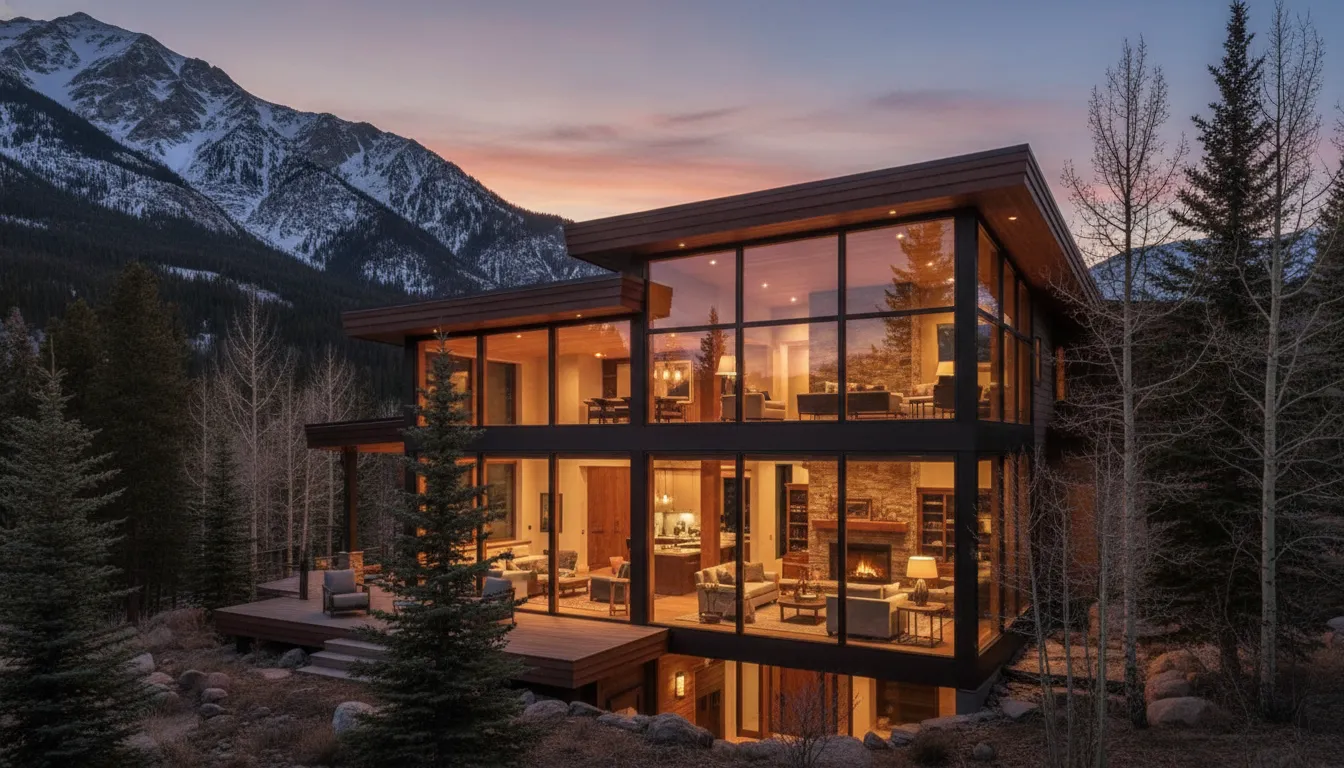

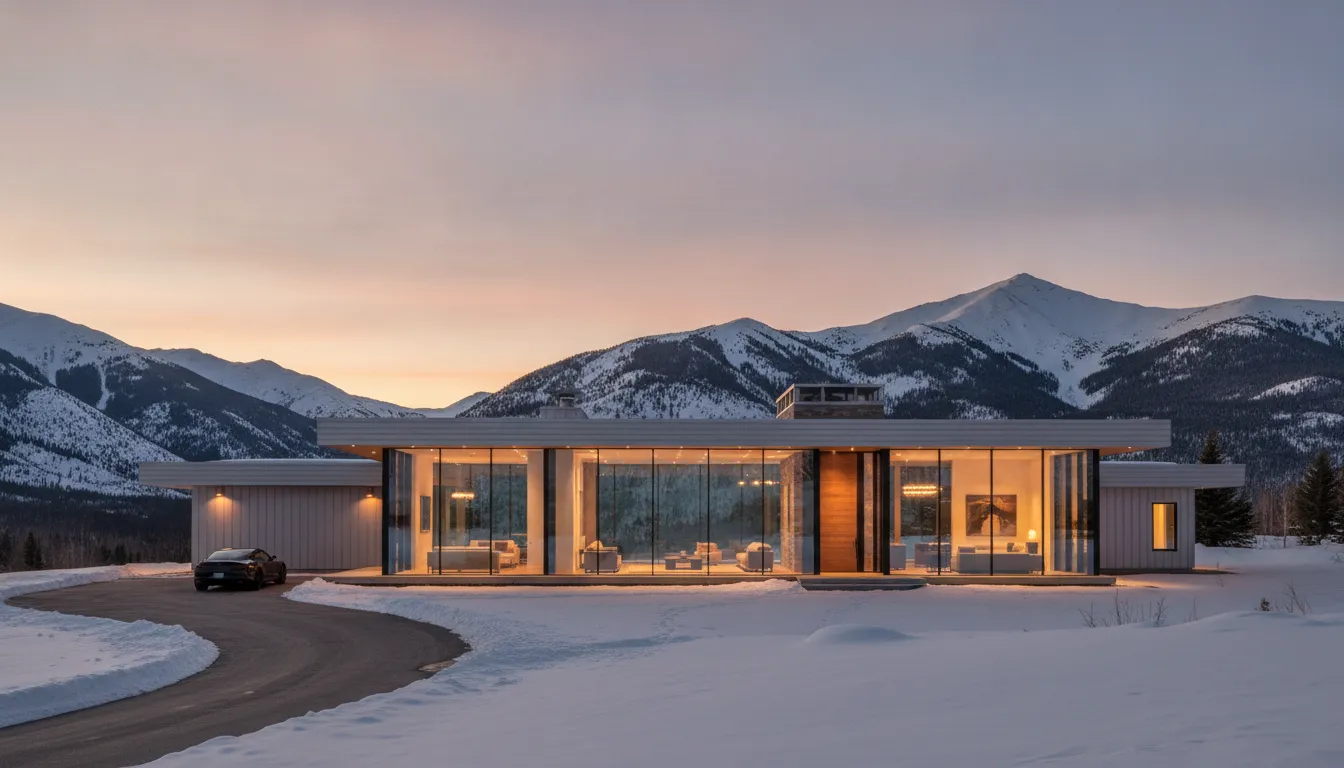
Buying a luxury residence in Park City involves more than confirming the purchase price and loan structure. Insurance can affect the financing process, the protection of the property, and your responsibilities after closing. Mountain conditions, custom construction, high-value contents, and second-home use may all deserve careful review with a qualified insurance professional.
Luxury home insurance park city coverage should generally address the home's replacement cost, other structures, and personal liability, while meeting the hazard-insurance standards for your jumbo loan. Your lender will review the policy to confirm that coverage is sufficient to protect its interest. But the right limits and endorsements depend on the property, borrower, insurer, and loan program.
Utah's Insurance Department notes that homeowners policies commonly cover the home, garage, and other structures, while certain perils may be excluded. Understanding those foundations helps you evaluate where standard coverage may stop, how a policy fits into jumbo underwriting, and which questions to ask before you commit to a Park City property.
Luxury home insurance Park City buyers consider should reflect the home's structure, rebuilding needs, and financing requirements. A standard policy framework may cover the residence, attached garage, and other structures, but high-value mountain properties often need carefully tailored limits. Coverage varies by insurer, property characteristics, construction, occupancy, and selected endorsements.
Building coverage generally applies to the main home, garage, and other structures on the property. Other structures may include detached garages, guest houses, storage buildings, or certain exterior improvements. The policy should clearly define which structures qualify and how their limits relate to the primary dwelling.
Luxury properties can include custom millwork, specialty stone, high-end mechanical systems, and features built for mountain conditions. Those details can affect the cost to repair or rebuild after a covered loss. Ask the insurer how the policy treats custom materials, code upgrades, and labor costs in Summit County.
Replacement cost coverage is especially important when rebuilding could cost more than the property's market value. Utah's insurance department specifically encourages homeowners to ask whether their policy provides replacement cost coverage. It also recommends reviewing limits when property values, remodels, additions, or other circumstances change.
For a Park City residence, an annual review can help identify gaps after a renovation or major improvement. A new addition may increase the home's rebuild exposure without automatically producing a matching policy update. The appropriate limits depend on the insurer's valuation method and the property's current construction profile.
Insurance also matters during financing your luxury home. Jumbo programs may apply more exacting hazard and liability coverage standards because the property represents a substantial secured asset. When reviewing loan and insurance requirements together, confirm the requested coverage directly with the lender and insurer.
A lender may verify hazard coverage sufficient to protect its financial interest. Customer guidance indicates that requirements can reference the loan amount or 100 percent of replacement cost, whichever is lower. These standards are not a guarantee of coverage or approval. They should be confirmed for the specific borrower, property, loan structure, and insurer.
Premiums for a high-value Park City residence reflect more than the home's purchase price. Insurers consider what it would cost to rebuild the property after a covered loss. That estimate can be materially different from the market value or loan balance.
High elevation adds practical complications. A rebuild near 7,000 feet may involve limited construction seasons, difficult winter access, specialized labor, and additional logistics. Those conditions can increase the cost and time required to restore a home. Your insurance professional can help determine whether the policy's replacement cost estimate reflects those realities.
Luxury properties often use custom stone, specialty woodwork, imported fixtures, extensive glazing, and high-performance mechanical systems. Replacing those materials may require specialized trades or custom fabrication. A standard policy limit may not reflect the expense of sourcing comparable materials and workmanship.
At mountain elevations, snow loads and weather exposure can also influence construction requirements. A home designed for Park City's climate may need more than a basic repair estimate after structural damage. The appropriate limit depends on the property's construction, features, location, and current labor and material costs.
For some custom homes, the gap between a capped policy limit and the actual rebuild cost could reach six figures. That is a risk to discuss with a qualified insurance professional, not a figure to assume for every property. Coverage availability, limits, deductibles, and endorsements vary by insurer and individual circumstances.
Contents can raise the premium as well. A luxury residence may contain fine art, jewelry, collectibles, designer furnishings, specialty equipment, or extensive electronics. Standard personal-property limits may not adequately address those items. A detailed inventory and scheduled coverage may be appropriate for certain valuables.
Utah's Insurance Department recommends reviewing whether your home is insured for replacement cost. It also notes that remodels, additions, changing property values, and other circumstances may require policy adjustments. See the department's homeowners insurance guidance for general considerations.
An annual review is especially important after a renovation or major purchase. It gives you an opportunity to compare the policy limits with the home's current specifications. It also helps keep the insurance documentation aligned with the requirements of a jumbo financing plan.
Jumbo lenders review insurance as part of protecting the property securing the loan. For a high-value Park City home, the policy generally needs comprehensive hazard coverage and personal liability protection. The required limits must support the lender's financial interest if a covered loss affects the property.
Many jumbo programs require hazard insurance to match the loan amount or 100% of the property's replacement cost, whichever is lower. This standard addresses the structure's insurable value without treating the purchase price as the rebuilding cost. Your lender and insurance professional will confirm the applicable limits for the property and loan structure.
| Coverage element. | What it generally protects. | Why it matters for a jumbo loan. |
|---|---|---|
| Dwelling and other structures. | The home, garage, guest house, and other structures. | Protects the physical collateral securing the loan. |
| Hazard coverage. | Covered losses to the structure. | Lenders may verify it matches the loan amount or replacement cost. |
| Personal liability. | Claims alleging bodily injury or property damage to others. | Addresses ownership, guest, and contractor exposure on high-value homes. |
| Replacement cost. | Rebuilding the home at current construction and labor costs. | Reflects custom materials and mountain-wide rebuilding conditions. |
Hazard coverage generally applies to the home, garage, and other structures. Utah's Insurance Department also recommends asking whether a policy includes replacement cost coverage. That question matters for luxury homes, where custom materials, specialized construction, and local labor can affect rebuilding expenses.
The lender may request proof of coverage before closing. The policy usually identifies the lender's interest and must remain active under the loan's requirements. A policy that excludes a relevant risk or falls below the required limit can delay underwriting until the issue is resolved.
Personal liability coverage addresses claims alleging bodily injury or property damage to another person. It protects the homeowner's broader financial position, while the hazard portion protects the physical collateral. High-value properties may receive closer review because their ownership, guest use, and amenities can create additional coverage questions.
Jumbo underwriting may also apply stricter reserve and eligibility standards than a standard conventional loan. Reserves, documentation, property use, and coverage requirements can vary by borrower, property, insurer, and lender guidelines. No single policy structure guarantees approval or availability.
FHFA guidance provides useful general context for credit enhancement when loan-to-value exceeds 80 percent. It discusses mortgage insurance or another acceptable form of credit enhancement for certain Enterprise loans above that threshold. Jumbo loans may not follow the same execution, so treat this as background rather than a promise about your financing.
Before making an offer, coordinate the insurance review with your mortgage plan. Our guidance on financing your luxury home can help connect the property's insurance needs with the broader underwriting picture. You can also review Park City jumbo loan requirements before discussing your specific scenario.
Sources: Utah Insurance Department homeowners insurance guidance and FHFA credit-enhancement guidance.
A Park City second home does not always fit neatly within a primary-residence policy. Seasonal occupancy, rental activity, weather exposure, and high-value finishes can create different insurance considerations. Second homes and investment properties in resort markets often require specialized endorsements because primary-residence coverage may not address every risk. Insuring luxury ski properties should be part of the ownership conversation before closing, not an afterthought.
Tell the insurer how you expect to use the property. A residence occupied only during ski season may have different vacancy, maintenance, and monitoring considerations than a full-time home.
Rental use can also change the coverage discussion. Short-term guests, property managers, and furnishings may require separate endorsements or policy terms. Coverage depends on the property, use, insurer, and applicable guidelines. Do not assume a primary-home policy extends automatically to a second home or investment property.
Review the dwelling, other structures, personal property, and liability portions together. The right limits should reflect the home's construction, contents, and occupancy pattern. Ask the insurer which exclusions, deductibles, and conditions apply when the property is unoccupied.
Condo ownership adds another layer of coordination. Start by obtaining the association's master policy and governing documents. These materials help clarify which building elements and shared areas the HOA insures.
Your individual policy may need to cover the unit's interior, improvements, personal property, and personal liability. This is commonly called walls-in coverage, often associated with an HO-6 policy. The exact boundary depends on the master policy, declaration, and Utah requirements. Ask an insurance professional to identify gaps before selecting limits.
Compare deductibles as well as coverage categories. An HOA master policy may carry a substantial deductible or leave certain interior improvements to the unit owner. Confirm how that allocation could affect you after a covered loss.
Insurance requirements can also affect financing documentation for a jumbo loan. Coordinate your lender, insurer, HOA, and closing team early, while recognizing that final coverage decisions belong to you and your insurance professional.
Mountain properties face exposure that a standard homeowners policy may not fully address. Utah homeowners policies typically exclude flood, earthquake, earth movement, and mudslide. These exclusions can matter for homes near steep terrain, drainage routes, or ski-area infrastructure. The Utah Insurance Department identifies these perils as examples of risks typically not covered by a standard homeowners policy. Review the state insurance guidance and ask a licensed insurance professional which endorsements or separate policies may apply.
Coverage decisions also involve more than the structure itself. High-value properties may require replacement cost coverage because rebuilding can involve specialized materials, difficult access, and elevated labor costs. Your lender may also review hazard coverage before closing. Jumbo loan programs often expect comprehensive hazard and liability protection for the lender's interest in the property.
Schedule an annual policy review, especially after a remodel, addition, major purchase, or significant change in property value. Updates can affect replacement cost, personal property limits, detached structures, and liability considerations. The Utah Insurance Department notes that remodels, additions, property values, and other changed circumstances may require policy adjustments.
Ask whether the policy limits still reflect current rebuilding conditions. Do not assume a renovation automatically increases coverage. Provide the insurer with updated project details, materials, square footage, and supporting valuations when requested.
Personal liability coverage is another critical component. It can help protect against claims or lawsuits alleging bodily injury or property damage to another person. That protection may be especially relevant when a Park City home hosts guests, renters, contractors, or seasonal visitors. Coverage terms, exclusions, limits, and availability vary by insurer, property, and borrower circumstances. A qualified insurance professional can explain the appropriate structure for your situation.
There is no reliable single price. Premiums vary with the home's location, age, construction, replacement cost, deductible, claims history, and coverage limits. A Park City property may also need tailored limits for specialty materials, detached structures, high-value belongings, and local hazard exposure. Ask an insurance professional to quote the specific property rather than relying on the purchase price alone. Utah's Insurance Department recommends reviewing whether your policy covers the home's replacement cost: Utah Insurance Department guidance.
A second home generally needs coverage designed for seasonal or occasional occupancy, with appropriate protection for the dwelling, other structures, personal property, liability, and covered hazards. Vacation rental use, extended vacancy, snow-related risks, and property-specific amenities can affect eligibility and endorsements. Tell the insurer how the home will actually be occupied before binding coverage. Program availability and requirements vary by property and insurer.
The lender typically verifies hazard coverage that protects its financial interest in the property. For a jumbo loan, underwriting may also expect comprehensive liability coverage and documentation before closing. Coverage standards can call for insurance matching the loan amount or the property's replacement cost, whichever is lower, according to the customer's lending guidance. Your lender and insurance professional should coordinate the policy evidence and requirements for the specific loan.
Possibly. Standard Utah homeowners policies generally exclude flood, earthquake, earth movement, and mudslide damage, so separate coverage or endorsements may be appropriate: Utah Insurance Department. Review the property's location, terrain, elevation, construction, and lender requirements with a licensed insurance professional. Do not assume a standard policy covers every mountain-related loss.
Luxury home insurance and jumbo financing should be considered together when you are evaluating a Park City property. A personalized conversation can help you organize the questions surrounding your property, financing structure, and insurance needs before you move forward. To discuss your situation with Rodrigo Ballon, request a personalized consultation. Program availability, underwriting requirements, and insurance options vary by borrower, property, lender, and insurer guidelines.
Rodrigo Ballon, Branch Manager, CrossCountry Mortgage, LLC, NMLS #3029. Utah's Home Lender. Equal Housing Lender.