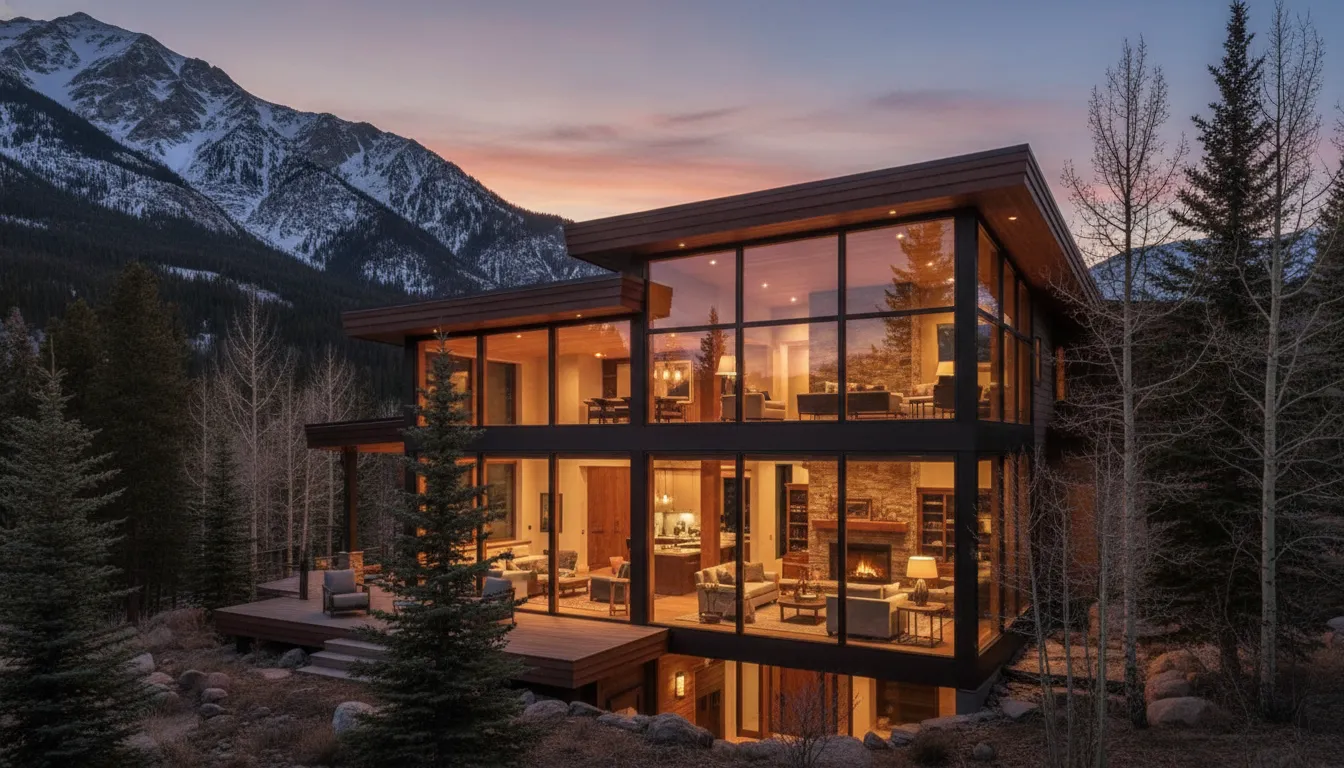

Park City's luxury market is entering 2026 with meaningful momentum, but the headline numbers need context. High-net-worth buyers, second-home purchasers, and investors are finding a market shaped by strong demand, limited single-family supply, and increasingly deliberate decision-making.
The park city luxury real estate market 2026 outlook is constructive for well-positioned properties, especially those offering access to skiing, privacy, and distinctive amenities. In the first quarter, Park City recorded 529 residential transactions totaling $1.195 billion in sales volume. Single-family transactions rose 14%, and volume rose 9% year over year, according to Park City Board of Realtors statistics.
Schedule a private consultation to see how these market trends apply to your property and financing goals.
Those results do not mean every property or price tier will perform alike. Understanding which segments drove early activity, where ultra-luxury demand concentrated, and how buyers are evaluating value provides a more useful basis for planning a purchase or investment.
Early 2026 brought measurable momentum to Park City's residential market, especially for single-family homes. The data points to active demand, substantial transaction values, and continued interest in high-end mountain properties. It also shows why buyers should study the specific segment and location before drawing conclusions about the broader market.
Single-family transactions increased 14% compared with the first quarter of 2025. Total single-family sales volume rose 9% over the same period. These figures indicate that detached homes remained a central source of activity as the quarter unfolded.
Across the full residential market, Park City recorded 529 transactions in Q1 2026. Those sales generated approximately $1.195 billion in volume. The prior-year comparison included 562 transactions and $1.321 billion in volume, according to the Park City Board of REALTORS quarterly statistics. The year-over-year figures suggest that transaction counts and dollar volume can move differently in a high-value market. Review the quarterly statistics for the underlying market data.
The single-family results deserve attention because they show stronger unit momentum than the overall transaction count alone might suggest. Buyers were still engaging with detached homes despite changing financing conditions and the analytical approach common in luxury purchases. That activity likely reflects the limited appeal of certain homes with privacy, views, ski access, or flexible space for family and guests.
Park City Limits and the Snyderville Basin accounted for more than $668 million in residential sales across 196 transactions during the period reviewed. Eight closings exceeded $10 million during peak ski season. Those sales represent a small share of total transactions, but they meaningfully shape the market's dollar volume and public perception.
This concentration matters for buyers evaluating Park City's luxury market in 2026, whether for a second home in Deer Valley, a ski property near Canyons Village, or a larger residence in Snyderville Basin. A headline about overall sales may not reflect these conditions. Property type, neighborhood, access, condition, and financing structure can produce very different buyer experiences.
The early-year figures do not guarantee that sales will maintain the same pace through the rest of 2026. Market conditions can change with inventory, borrowing costs, seasonal demand, and broader economic factors. Past performance does not guarantee future results. Buyers should use current, property-specific analysis when planning a purchase.
Park City's results show a market with meaningful separation by price tier. Total 2025 sales volume exceeded $3.27 billion, up 36.6% from 2024 and marking the second-highest year on record, according to market reporting from Amelia Real Estate.
The strongest contrast appears above and below $2.5 million. Luxury properties recorded much faster growth in both transactions and dollar volume. The broader tier posted only modest gains, even within a market that produced a strong aggregate result.
| Measure | Properties above $2.5M | Properties below $2.5M |
|---|---|---|
| Unit sales, year over year | Unit sales rose 38 percent. | Unit sales rose 2 percent. |
| Dollar volume, year over year | Dollar volume rose 50 percent. | Dollar volume rose 4 percent. |
| Inventory context | Active listings overall rose 14 percent. Tier-specific change was not reported. | Active listings overall rose 14 percent. Tier-specific change was not reported. |
| Buyer profile | High-net-worth buyers evaluate location, quality, and long-term fit. | A broader buyer pool weighs affordability and property priorities. |
These figures describe different market dynamics, not a universal result for every property. Luxury demand can respond differently to limited inventory, ski access, privacy, and property quality. In early 2026, buyers also appear more analytical, weighing value and fit carefully across Park City and Deer Valley, as reported by Luxury Real Estate.
That selectivity is consistent with first-quarter luxury results. Across 106 closings, the median sale price reached $3.525 million, while sellers captured 97% of list price on average. Median price per square foot remained between $775 and $814, signaling that buyers were closely assessing location and quality.
For a prospective buyer, the headline is not simply that luxury is strong. The more useful conclusion is that underwriting and property analysis should reflect the specific tier, neighborhood, condition, and intended use. Market conditions change, and past performance does not guarantee future results.
The highest-value transactions remain tightly concentrated in Park City's most private, ski-accessible, and amenity-rich enclaves. That concentration matters because a market-wide median can obscure meaningful differences between neighborhoods.
Early 2026 produced eight closings at $10 million or higher. Together, they represented more than $135 million in sales volume across The Colony at White Pine Canyon, Deer Crest, Empire Pass, Stein Eriksen Residences, and Promontory.
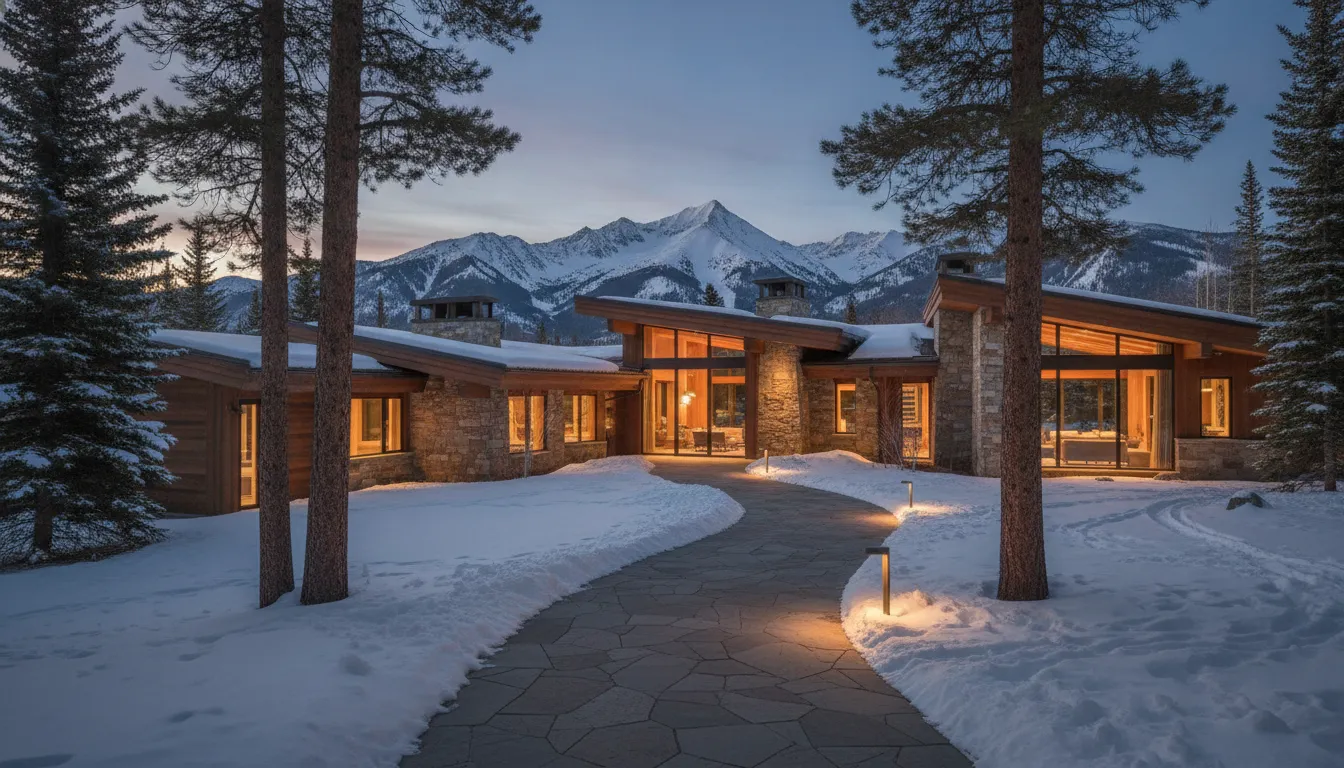
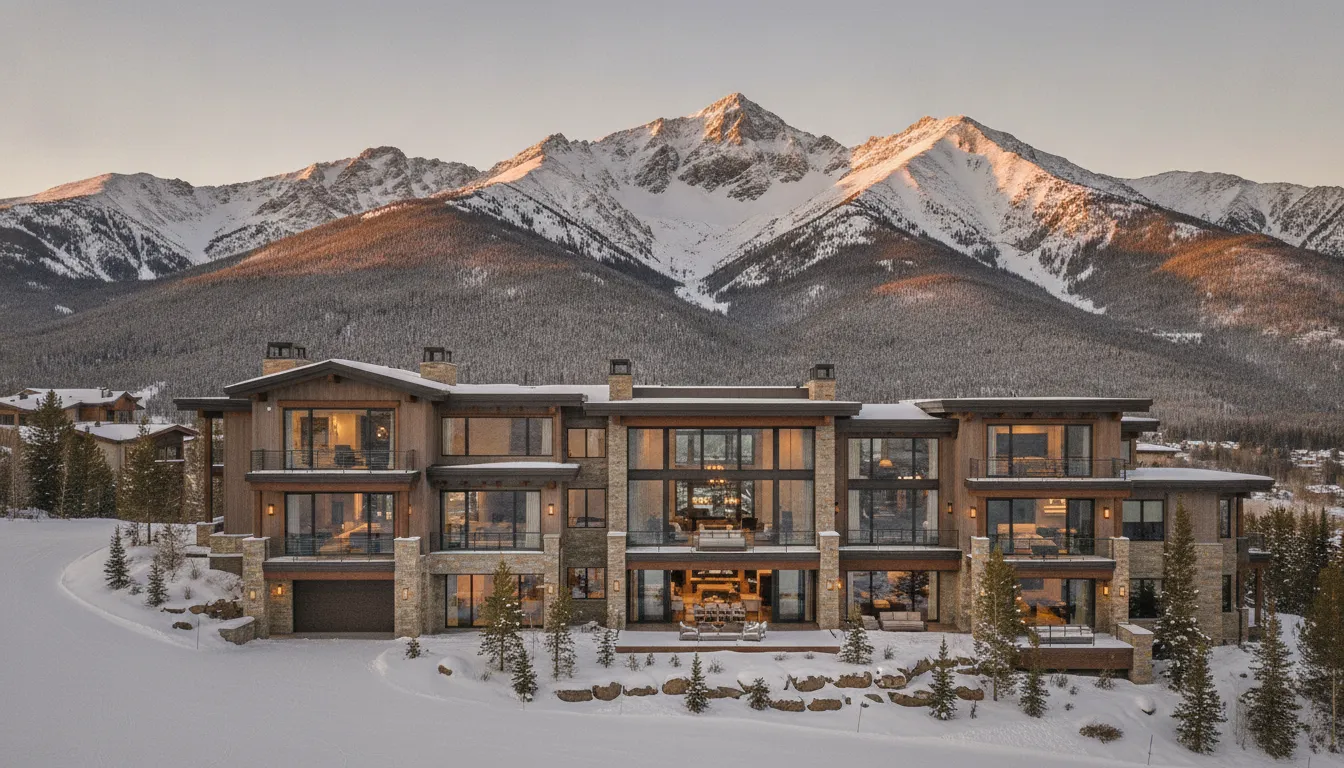
Empire Pass is the clearest example of the ultra-luxury tier, with a reported median of approximately $14.2 million. The Colony at White Pine Canyon follows closely, with an average near $13.95 million. These figures reflect highly limited inventory and properties with exceptional privacy, views, and mountain access.
Promontory also demonstrated strong demand for distinctive properties. A $15 million Promontory Ridge residence reportedly went under contract at zero days on market. That outcome does not mean every premium listing will move immediately. It does show how quickly a well-positioned property can attract qualified attention.
Stein Eriksen Residences adds a branded, slope-oriented option within Deer Valley. Deer Crest spans a broader range, with local medians reported between approximately $4.2 million and $12 million. Property size, ski access, views, finish level, and ownership structure can create substantial differences within the same community.
Canyons Village sits just below the highest tier, with a reported single-family median near $9.85 million. Its proximity to lifts, newer construction, and resort amenities continue to appeal to buyers seeking convenience without sacrificing a luxury experience.
For buyers evaluating these neighborhoods, the relevant question is not simply whether a property is above or below $10 million. It is how location, intended use, liquidity, reserves, and documentation affect the overall acquisition strategy. Market conditions change, and past performance does not guarantee future results.
Not broadly. Early 2026 data suggests a market that is firm at the upper end, while condos, townhomes, and lower price tiers offer buyers more room to negotiate.
That distinction matters when evaluating the Park City luxury real estate market in 2026. A single median cannot describe conditions across ski-access properties, detached homes, and attached housing.
Across 106 first-quarter closings, the median sale price reached $3.525 million. Sellers captured 97 percent of the list price on average.
Full-year 2025 provides a useful comparison point. The single-family median was $2.825 million across 513 closings.
The difference between those medians does not establish a guaranteed annual increase. The properties sold, timing, and mix of locations can change the result significantly.
Inventory also remains relatively constrained. Active single-family listings declined approximately 14 percent year over year, leaving fewer than 210 homes available in February.
Limited selection can support pricing for well-positioned homes, particularly when the property offers strong location, condition, privacy, or direct access to amenities.
Attached housing is giving buyers more choice than single-family inventory. Active condo and townhome listings increased nearly 24 percent year over year, reaching 267 units.
First-quarter condo activity included 90 closings at a $1.3 million median sale price. The median time on market was 95 days.
Those figures point to a more measured segment. Buyers may have additional time to compare buildings, monthly carrying costs, rental restrictions, renovation needs, and proximity to lifts or village services.
This does not mean every condo is declining in value. Demand, views, building quality, ski access, and pricing strategy can produce very different outcomes within the same neighborhood.
The most accurate answer is that Park City prices are not broadly dropping. Instead, the market is separating by property type and position.
Upper-tier demand remains evident, while attached housing appears more balanced. Buyers should evaluate recent comparable sales, current competition, days on market, and the property's income or lifestyle purpose.
Market conditions change, and past performance does not guarantee future results. A property-specific review is more useful than relying on a single market-wide headline.
The 2026 outlook for Park City's luxury market begins with strong activity, but the data points to selectivity rather than a uniform boom. Park City recorded $3.27 billion in total sales volume during 2025, a 36.6% increase from 2024 and the second-highest year on record. Properties above $2.5 million gained more momentum than the broader market, with unit sales rising 38% and dollar volume increasing 50% year over year. See the reported 2025 luxury-market breakdown.
Park City and Deer Valley remain highly desirable because the mountain lifestyle continues to attract luxury buyers worldwide. Ski access, privacy, resort amenities, and limited inventory can support strong interest in well-positioned properties. However, buyers are approaching decisions with more analysis than enthusiasm alone.
That shift affects how buyers evaluate a residence. A purchaser may compare ski access, rental potential, neighborhood liquidity, property condition, carrying costs, and long-term personal use. The same process can reveal why two homes at similar prices deserve very different offers. A careful review of the property, financing structure, and intended use helps protect flexibility when market conditions change.
More than 60% of luxury purchases are reportedly completed with cash. That pattern reduces interest-rate sensitivity at the top of the market, but it does not eliminate the value of financing. It leaves an estimated 40% financing opportunity for buyers who prefer to preserve liquidity, diversify assets, or manage leverage across multiple properties.
Financing can be especially relevant for business owners, executives with stock compensation, and investors whose income does not fit a simple payroll profile. These borrowers may need a more deliberate review of income documentation, reserves, down payment, and property use. Exploring financing for Park City luxury real estate early can help align the purchase strategy with the borrower's broader balance sheet.
The first quarter is a peak period for ski-season activity, so early-year results deserve context. Strong closings during this window can reflect both durable demand and the timing of luxury transactions. Buyers should assess current opportunities against comparable properties, neighborhood conditions, and their own holding period.
Market conditions change, and past performance does not guarantee future results. A private consultation can help buyers interpret current evidence without treating one strong year as a promise of future appreciation.
Cash remains common in the luxury segment, but it does not eliminate the value of financing. If more than 60% of transactions close without a mortgage, roughly 40% still involve a financing opportunity. For luxury buyers in Park City in 2026, the right structure can preserve liquidity while supporting a disciplined purchase strategy.
Start with the property and the broader balance sheet, rather than a preferred loan product. Ski-access homes can command a premium of about 75% compared with less-accessible properties. That difference affects the purchase price, projected equity, reserve expectations, and the amount of liquidity a buyer may want after closing. Loan sizing should account for the property's location, intended use, condition, and marketability, along with the borrower's complete financial profile.
High-value jumbo financing typically requires careful planning around the down payment, post-closing reserves, income documentation, and asset structure. A larger down payment may improve the overall risk profile, but using too much cash can reduce flexibility for renovations, investment commitments, taxes, or future opportunities. Reserve expectations and underwriting requirements vary by lender, property, and borrower.
Self-employed borrowers often need a more deliberate documentation plan. Taxable income may not fully reflect business cash flow, retained earnings, depreciation, or distributions. A lender may need to evaluate business performance, ownership interests, personal assets, and income consistency together.
Alternative-documentation options, including Bank Statement programs, may be relevant for high-income borrowers whose income does not fit a conventional documentation pattern. Asset-depletion strategies may also warrant discussion when qualifying assets are substantial but recurring income appears uneven. These options are not automatic solutions, and eligibility depends on current program guidelines and verified documentation.
Buyers can review specialized jumbo loan programs before comparing structures. For buyers evaluating payment flexibility, the guide to jumbo loan products provides additional context. Investors should also consider the details of a Park City investment property mortgage, including property use and projected rental considerations.
Market conditions, lender guidelines, and program availability can change. Past performance does not guarantee future results. A private financing review can help align the property, liquidity plan, documentation, and long-term objectives without assuming approval, rates, or terms.
Schedule a private consultation to review your Park City financing options with Rodrigo Ballon.
Early 2026 activity remains substantial. Park City and Snyderville Basin recorded more than $668 million across 196 transactions, including eight closings above $10 million during peak ski season. Market conditions can change, and past performance does not guarantee future results.
Recent data indicates strong seller positioning in the upper tier, with luxury properties capturing approximately 97% of list price in the first quarter. That figure is a market snapshot, not a guarantee for any specific property or negotiation.
Review location, ski access, property condition, ownership costs, intended use, liquidity, reserves, and the property's income potential if applicable. A careful analysis should also account for appraisal requirements, insurance, taxes, and lender documentation.
Potential approaches include cash, a jumbo mortgage, or alternative documentation for qualifying borrowers with complex income. Self-employed buyers may need detailed business and personal records, while asset-depletion strategies may help when substantial assets are available but conventional income does not fully reflect financial capacity. Program availability, underwriting, rates, terms, and eligibility vary by borrower, property, and lender guidelines.
A private consultation can help you connect your property goals with a financing approach suited to your financial profile. Market conditions, rates, loan limits, documentation, and program availability can change, and past performance does not guarantee future results. To discuss your next step with Rodrigo Ballon, schedule a private consultation. CrossCountry Mortgage, LLC, NMLS #3029. Equal Housing Opportunity.