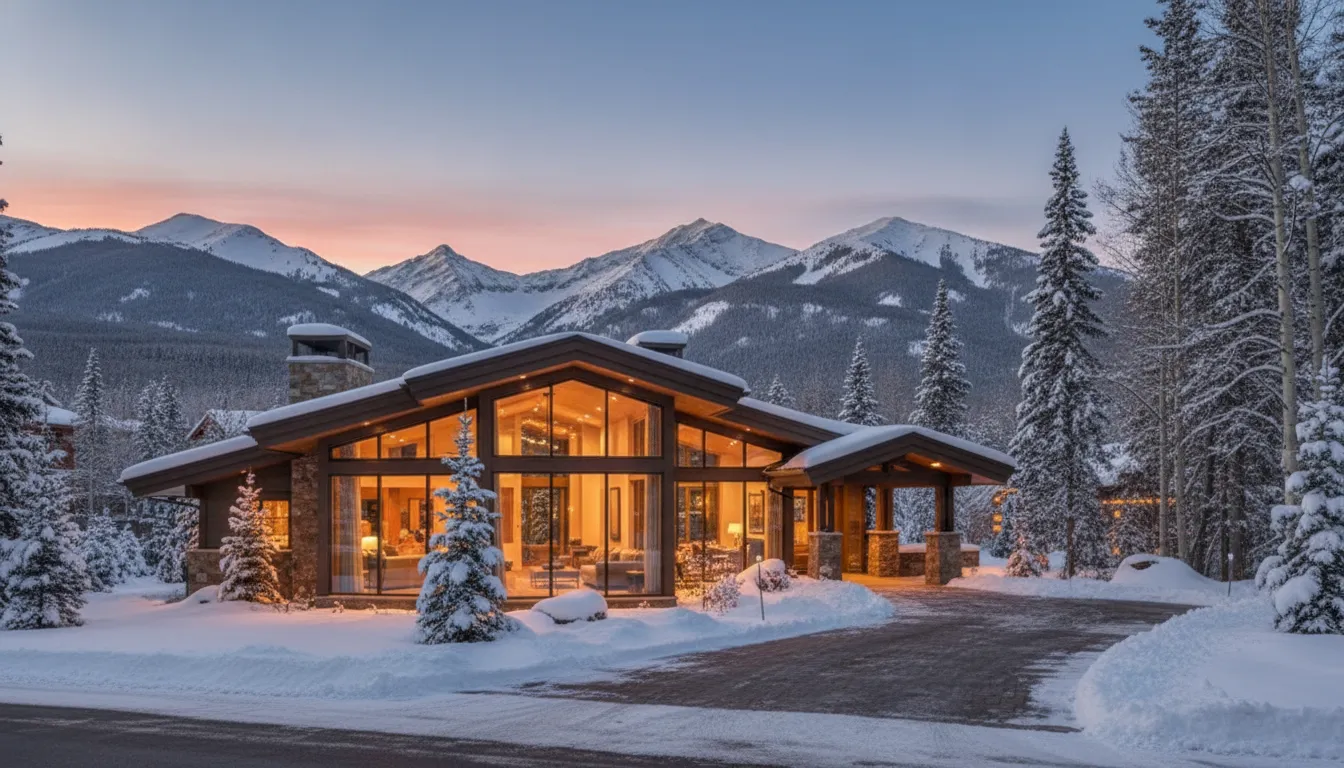


You’ve found the perfect ski-in/ski-out condo or a summer retreat with stunning trail access. Now comes the big question: how do you pay for it? Securing a loan for a property in a high-value, seasonal market like Park City has its own set of rules. Lenders look at these applications with a different lens, requiring stronger credit scores, larger down payments, and a clear understanding of your overall financial picture. Getting your offer accepted often comes down to how prepared you are. This article breaks down the entire process of Park City second home financing, giving you the knowledge to move forward with confidence and compete effectively in this dynamic market.
Buying a second home is a significant milestone, but when that home is in a world-class destination like Park City, the financing process has its own unique set of rules. The combination of a luxury market, resort-style living, and seasonal demand creates a landscape that’s different from your primary home purchase. Understanding these nuances is the first step to confidently securing your mountain retreat.
Financing a property here isn't just about the numbers; it's about understanding the local market's rhythm and what lenders look for in a high-value, recreational area. From the type of loan you'll need to how the property is classified, every detail matters. Let's walk through what makes financing a second home in Park City a special case.
Park City is synonymous with luxury, and that upscale environment directly influences your loan options. Because property values are high, lenders are more meticulous. You'll find that most lenders prefer a down payment of 20% or more to secure financing for a second home. A larger down payment demonstrates your financial stability and reduces the lender's risk.
Beyond the down payment, you'll also need a solid credit score. To qualify for the best terms, you should generally aim for a score of 700 or above. A strong credit history shows lenders you have a track record of managing debt responsibly, which is crucial when taking on a second mortgage, especially in a competitive market.
How you plan to use your Park City property is a critical question for lenders. There's a big difference between a second home (for personal enjoyment) and an investment property (to generate rental income), and this distinction impacts your loan. Financing homes in resort areas like Park City and Deer Valley comes with special considerations, and lenders view investment properties as higher risk.
As a result, loans for investment properties typically come with higher interest rates and larger down payment requirements. Declaring your property as a second home can secure more favorable terms, but you must genuinely intend to occupy it for part of the year. Be prepared to discuss your plans with your lender, as they will use this information to determine the right loan product for you.
The Park City real estate market moves with the seasons. The rush for ski-in/ski-out properties heats up as the first snowflakes fall, while summer brings buyers looking for a mountain escape from the heat. This seasonality creates fluctuations in inventory, demand, and even property values throughout the year.
This ebb and flow can affect your home-buying journey. For example, a property appraisal's value might be influenced by the time of year. A lender who understands these trends can provide invaluable guidance. Working with a local mortgage professional who knows the ins and outs of Park City's seasonal market helps you time your purchase and financing to your advantage, ensuring a smoother process from start to finish.
When you’re ready to buy a second home in Park City, understanding your financing options is the first step toward making your mountain retreat a reality. The right loan depends on your financial picture, the type of property you’re eyeing, and your long-term goals. Because Park City is a luxury market, the financing landscape can look a little different than it does elsewhere. You’ll find everything from conventional loans to specialized jumbo products designed for high-value homes. Exploring these options with a clear strategy will help you move forward with confidence. Let’s break down the most common paths you can take to secure financing for your dream home.
A conventional loan is a great starting point for many homebuyers. These mortgages are not insured by a government agency and follow guidelines set by Fannie Mae and Freddie Mac. For a second home, most lenders will want to see a down payment of at least 20% to avoid private mortgage insurance (PMI). You'll also need a solid credit history to qualify; a score of 700 or higher is generally the benchmark lenders look for. While conventional loans are a solid choice, their lending limits can be a hurdle in Park City, where property values often exceed the maximum loan amount. If the home you love is priced above these limits, you’ll likely need to explore a jumbo loan.
When you’re shopping for a luxury ski-in/ski-out condo or a sprawling mountain home, a jumbo loan is often the key. These loans are designed for properties that exceed the conforming loan limits set for conventional mortgages. Because Park City real estate is in a class of its own, jumbo loans are a popular and necessary tool for many buyers here. While you might think a larger loan means a much larger down payment, that isn't always the case. Different jumbo loan programs require different percentages, with options that can fit your financial strategy. They offer the flexibility needed to finance a high-value property, giving you the buying power to compete in this dynamic market.
If you already own a home with significant equity, you may be able to use it to help purchase your Park City property. A home equity loan gives you a lump-sum payment, which can be perfect for covering your down payment and closing costs. Alternatively, a home equity line of credit (HELOC) works more like a credit card, allowing you to draw funds as needed. For equity-rich buyers, this can be a smart and efficient way to secure financing for a second home without liquidating other investments. It’s a powerful option that puts the value you’ve already built to work for you.
Once you’ve decided on a loan type, you’ll also need to choose between a fixed or adjustable interest rate. A fixed-rate mortgage locks in your interest rate for the entire loan term, giving you a predictable monthly payment. This is a popular choice for those who value stability. An adjustable-rate mortgage (ARM), on the other hand, typically offers a lower initial rate for a set period before adjusting based on market trends. An ARM could be a great fit if you plan to sell the property within a few years or anticipate your income growing. No matter which you choose, keeping your credit score in good standing is one of the most important things you can do to secure favorable terms.
Securing a loan for a second home in Park City means showing lenders you can comfortably manage the financial responsibility of two properties. The qualification process is a bit more detailed than it was for your primary residence because lenders view a vacation home as a higher risk. Don't worry, it's a straightforward path when you know what to expect. It all comes down to providing a clear picture of your financial health through your down payment, credit score, income, and existing debts.
When it comes to a second home, lenders feel more secure when you have more skin in the game. That’s why a down payment of at least 20% is the standard. Putting down 20% or more shows you have significant cash reserves and reduces the lender's risk. As a bonus for you, it also means you can avoid paying for private mortgage insurance (PMI), which can add a hefty amount to your monthly payment. In a high-value market like Park City, where jumbo loans are common, this 20% benchmark is often a firm requirement.
Your credit score is a snapshot of your financial reliability, and for a second home loan, lenders want to see a great one. You’ll generally need a credit score of 700 or higher to qualify. A strong score not only gets your foot in the door but also helps you secure better interest rates and more favorable loan terms, saving you a lot of money over the life of the loan. Think of your excellent credit history as your reward for years of responsible financial management; it’s what gives you access to the best financing options available for your dream mountain retreat.
Your debt-to-income (DTI) ratio is a key metric lenders use to assess your ability to take on a new mortgage. It’s the percentage of your gross monthly income that goes toward paying all of your monthly debts, including your primary mortgage, car loans, and credit card payments. For a second home loan, lenders will calculate your DTI with the new mortgage payment included. While every situation is unique, a DTI ratio below 43% is the target. A lower DTI signals to lenders that you have plenty of breathing room in your budget and can easily handle the additional expense.
Many prospective Park City homeowners are entrepreneurs, consultants, or business owners. If you're self-employed, your income verification process just looks a little different. Lenders need to see a stable and reliable income stream, which you can demonstrate with thorough documentation. You should be prepared to provide at least two years of personal and business tax returns, a year-to-date profit and loss statement, and current balance sheets. Having these documents organized, especially if prepared by a CPA, makes the process smoother. Working with a mortgage pro who understands the nuances of self-employed income can make all the difference in showcasing your financial strength.
It’s one of the most common questions we hear, and the short answer is yes, interest rates are often slightly higher for a second home compared to a primary residence. Lenders view a second home mortgage as a bit riskier. In a tough financial situation, a borrower is more likely to prioritize payments on their main home over their vacation spot. This added risk for the lender usually translates into a marginally higher rate.
However, a higher rate isn't a given, and several factors can influence the final number you're offered. Your financial profile, the property itself, and how you plan to use it all play a significant role in determining your interest rate. Understanding these elements is the first step toward securing the best possible financing for your Park City retreat.
When you apply for a second home loan, lenders are looking for signs of stability. Because these properties are considered a luxury, the qualification standards are stricter. Lenders want to see that you can comfortably afford both your primary mortgage and the new one without stretching your finances too thin. To offset the perceived risk, they often assign a slightly higher interest rate.
To get the most competitive rates, you’ll want to present the strongest possible application. Most lenders prefer a down payment of 20% or more for a second home, which shows you have significant skin in the game. You'll also need a solid credit score, generally 700 or above, to qualify for the best terms. A strong financial picture demonstrates that you are a reliable borrower, which can help minimize the rate increase.
Beyond the general rules for second homes, specific factors in the Park City market can affect your interest rate. The type of property you’re buying matters; a standalone ski chalet may have different financing requirements than a condo in a resort with rental management. Lenders will also consider your credit score when determining your loan terms. A higher score not only makes you a more attractive borrower but can directly lead to a lower interest rate and more favorable financing options.
Your loan-to-value (LTV) ratio and the loan type you choose are also key. In a high-value market like Park City, many properties require a jumbo loan, which has its own set of qualifications. The entire loan process is designed to assess these variables, ensuring the financing aligns with both your profile and the unique aspects of the property you’re purchasing.
How you plan to use your Park City home is a critical detail for lenders. If you intend to use it exclusively for yourself, your family, and friends, it’s a true second home. But if you plan to rent it out for most of the year, it will likely be classified as an investment property. This distinction is important because investment properties typically come with higher interest rates and may require a larger down payment than a second home.
While it seems logical that potential rental income would help you qualify, lenders are often conservative about including it in their calculations. Some loan programs may allow it with proper documentation, but it’s not a guarantee. This is where your overall financial strategy comes into play, as discussed in our FAQs. Having a clear plan and working with a mortgage professional who understands the local rental market can make all the difference.
Buying a second home in a sought-after destination like Park City comes with a unique set of challenges. It’s not just about finding the perfect ski-in/ski-out condo; it’s about securing the right financing in a market that moves quickly and has its own rules. As local experts often note, financing homes in resort towns like Park City and Deer Valley has special challenges. Understanding these hurdles early on will save you time, money, and stress, putting you in a much stronger position when you find the property you love. From stricter lending requirements to navigating a competitive bidding landscape, being prepared is your best strategy.
When you’re buying a second home, lenders view the loan as a bit riskier than a mortgage for your primary residence. In a high-value market like Park City, those standards become even more rigorous. Lenders want to see that you have strong financial footing before they approve a large loan for a luxury property. This is why most lenders prefer a down payment of 20% or more for a second home. You'll also need a solid credit score, generally 700 or above, to qualify. These higher benchmarks aren't meant to be barriers; they're simply how lenders ensure you can comfortably manage the investment. Working with a mortgage pro who understands these requirements can help you prepare your finances and present the strongest possible application.
Park City’s real estate market can be incredibly competitive, with beautiful homes often receiving multiple offers shortly after they’re listed. In this environment, the last thing you want is to have your financing fall through. The key is to get fully pre-approved before you even start your search. A strong pre-approval letter from a reputable local lender shows sellers that you’re a serious, qualified buyer. This can give your offer a significant edge over others, especially in a bidding war. We can help you get your financing in order so you’re ready to make a confident and compelling offer the moment you find your dream home.
Many second-home buyers in Park City plan to offset costs by renting out their property. If that’s part of your plan, you need to be aware of the local rules before you buy. Park City has specific laws and permits for short-term rentals, and they can vary dramatically from one neighborhood to the next. For example, areas like Old Town and Canyons Village are generally more flexible, while other communities have stricter regulations or outright bans. These rules can affect your property’s income potential and even your ability to secure certain types of financing. It’s essential to work with a local team who understands these nuances to ensure your investment aligns with your goals.
When you’re buying a second home in a place as unique as Park City, you’ll quickly find that not all mortgage lenders are created equal. While a national bank might see your application as just numbers on a page, a local lender sees the full picture: the specific property, the neighborhood nuances, and the market's distinct rhythm. Having an expert on the ground who lives and breathes Park City real estate isn't just a nice-to-have; it's a strategic advantage that can make or break your purchase. This is about more than just getting a loan; it's about having a guide who can confidently lead you through the complexities of this high-value market.
Financing a home in a resort town like Park City or Deer Valley comes with its own set of rules. These special challenges, like navigating condo-hotel financing, rental restrictions, or unique property appraisals, can stall a loan with an out-of-state lender who isn't familiar with them. A Park City-focused lender has already encountered these hurdles and knows exactly how to clear them. They understand the intricacies of our local market, which means they can anticipate potential issues before they become problems. This local knowledge can save you a significant amount of time and money, helping you avoid delays and structure a loan that truly works for your property.
Putting together the right team is one of the most important steps you can take. It’s crucial to work with both a local real estate agent and a local mortgage professional. Think of them as your dedicated Park City insiders. They understand the specific challenges of this market and can help you sidestep them from the very beginning. A local agent and lender who know each other can communicate seamlessly, moving quickly and efficiently in a competitive environment. This partnership is your key to crafting a strong offer and ensuring a smooth process from pre-approval to closing. Our process is designed to integrate perfectly with your agent's efforts, creating a unified front to secure your home.
Securing a loan for a second home is definitely different from financing your primary residence. Lenders often require a larger down payment and have stricter qualification rules. This is where our expertise becomes your advantage. We specialize in the Park City market, particularly with the jumbo loans required for many of the area's luxury properties. We guide you through the heightened requirements, helping you present the strongest possible application. Whether you're self-employed or purchasing an investment property, we provide tailored solutions to fit your financial picture. You can read our client reviews to see how we’ve helped others successfully finance their own piece of Park City.
Is a 20% down payment an absolute must for a second home in Park City? While a 20% down payment is the gold standard, especially in a luxury market, it isn't always a rigid requirement. Putting down 20% is highly recommended because it makes your offer more competitive, shows lenders you have strong financial reserves, and helps you avoid private mortgage insurance. For the jumbo loans common in Park City, it's often the benchmark. However, some loan programs offer more flexibility, so it's best to discuss your specific financial situation with us to explore all available options.
My credit score is just under 700. Does that mean I can't get a loan for a Park City home? Not at all. While a score of 700 or higher typically helps you secure the most favorable interest rates and terms, it isn't a strict cutoff. A slightly lower score doesn't automatically disqualify you from buying your dream home here. Lenders look at your entire financial profile, including your income, assets, and down payment. We can review your situation and find a loan program that fits your qualifications, or we can create a plan to help you reach that benchmark.
I'm self-employed. Will it be much harder for me to get approved for a second home loan? The process isn't harder, just different. Lenders need to verify a stable and consistent income, which for a self-employed borrower means looking at more than just a W-2. You should be ready to provide at least two years of personal and business tax returns, along with a recent profit and loss statement. The key is to have your documents organized. Working with a mortgage professional who is experienced with self-employed income makes the process much smoother.
I have a great relationship with my national bank. Why should I consider a local Park City lender instead? A great banking relationship is valuable, but financing a home in Park City has unique complexities that many national lenders don't encounter. A local lender understands the nuances of condo-hotel properties, knows the seasonal market's effect on appraisals, and has established relationships with local real estate agents. This on-the-ground expertise allows them to anticipate and solve problems quickly, preventing delays that could jeopardize your purchase in a competitive market.
What's the real difference between financing a second home versus an investment property? The main difference comes down to how you intend to use the property. A second home is for your personal enjoyment, while an investment property's primary purpose is to generate rental income. Lenders view investment properties as a higher risk, so they typically require a larger down payment and have slightly higher interest rates. It's important to be clear about your plans from the start so we can match you with the correct loan product that aligns with your goals.