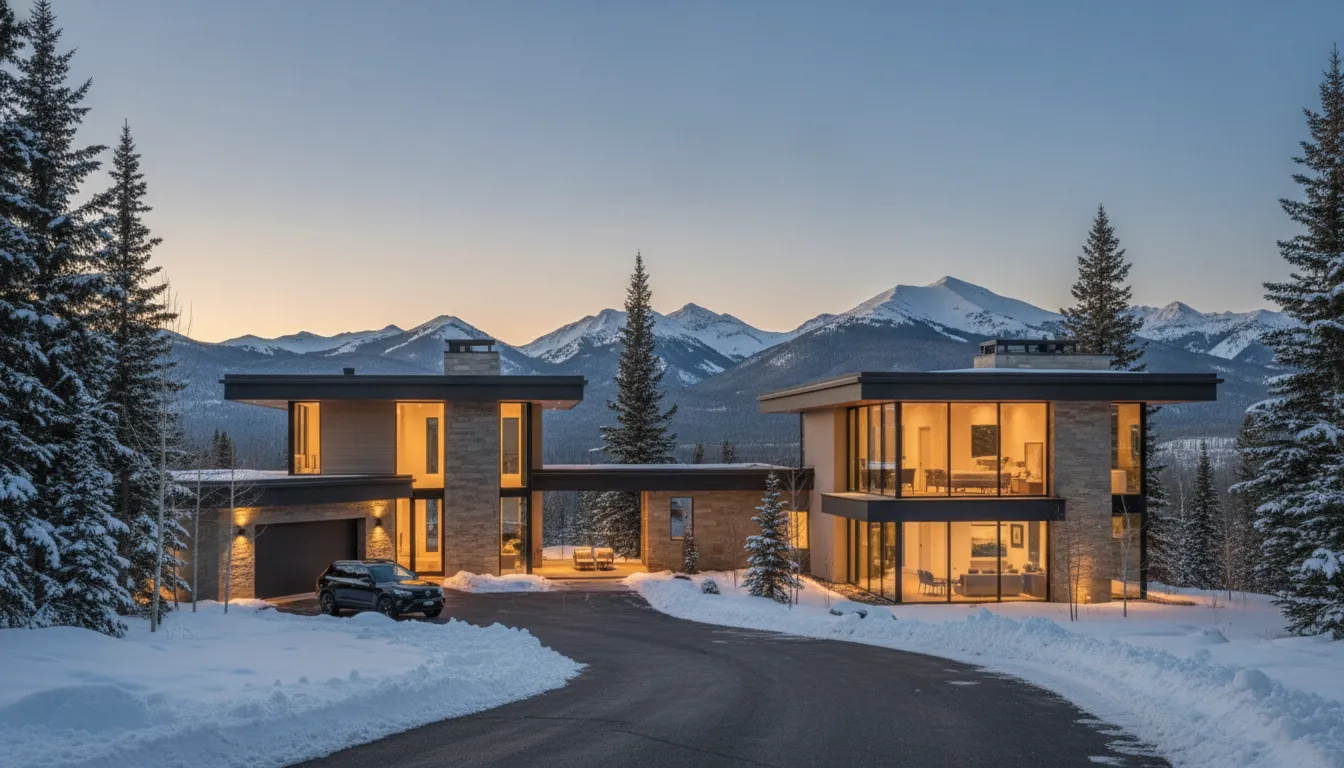

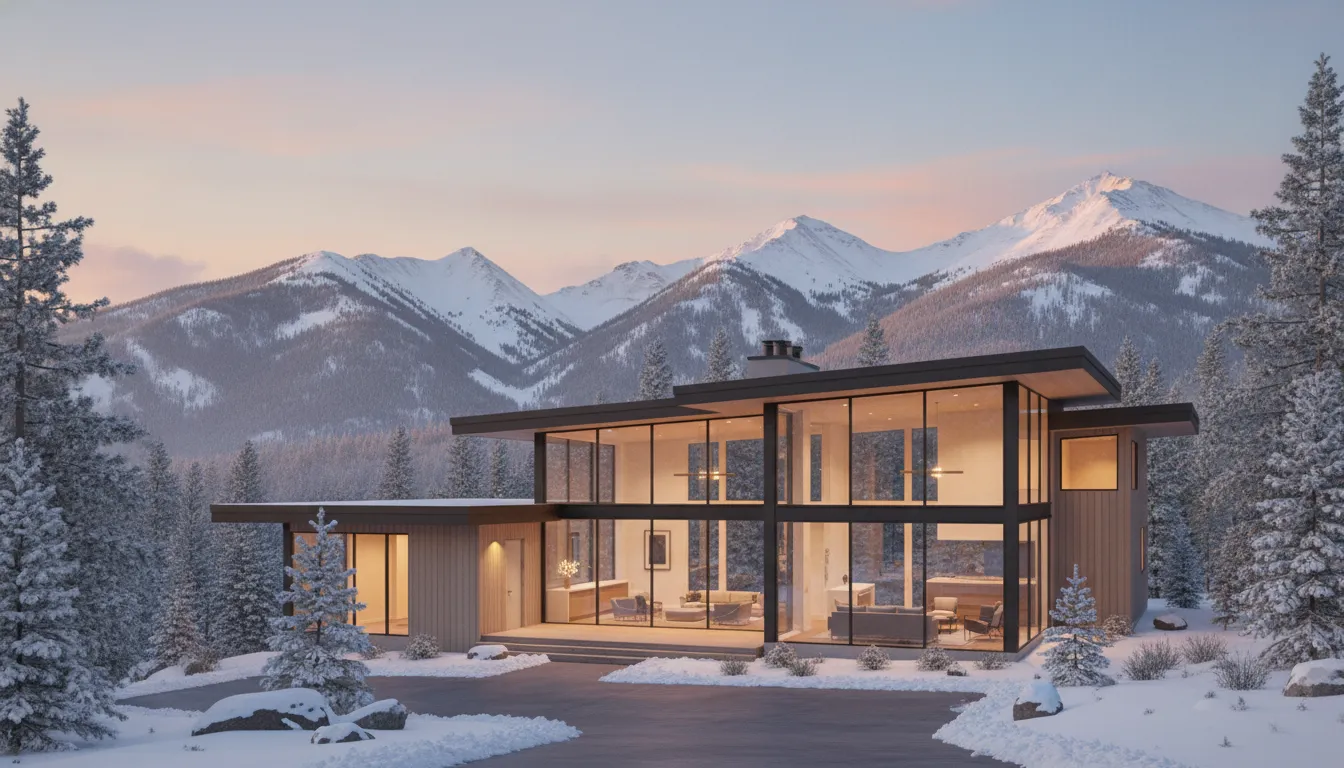
When buyers search for second home interest rates. They are usually trying to answer a more practical question: what will financing a specific property cost for a specific borrower? A second residence in Park City, Deer Valley, or another Utah resort community is not priced from a single public number. Occupancy, loan structure, property type, loan size, credit, liquidity, reserves, documentation, and market conditions all shape the review.
The most useful comparison is not simply the lowest advertised rate. It is the combination of rate, APR, points, payment structure, cash required, reserve expectations, and flexibility that fits your ownership plan. This guide explains the major variables without presenting a live quote or promising a particular approval outcome.
Discuss your second home interest rates and Park City financing options
With those guardrails in place, start with the question most second-home buyers ask first: whether the occupancy change itself can affect pricing.
Often, second home interest rates can be higher than rates for a primary residence, but there is no universal adjustment. Pricing depends on the borrower, property, loan structure, market conditions, and lender guidelines. A current rate must be reviewed for the specific application rather than assumed from a general online table.
The main distinction is occupancy. A primary residence is the home you occupy most of the time. A second home is typically a property you intend to use personally for part of the year. Such as a ski-in, ski-out residence in Deer Valley or a vacation home near Park City. Because the property is not the borrower's principal residence, the lender may evaluate the transaction differently and price the risk accordingly.
That does not mean every second-home loan receives the same rate treatment. Credit profile, documented income, debt obligations, reserves, down payment, property type, and loan size all remain relevant. A borrower with substantial liquidity and straightforward documentation may present a different risk profile from a borrower whose income includes stock compensation, business distributions, trusts, or irregular bonuses. The intended ownership timeline can also influence how fixed-rate and adjustable-rate options should be compared.
It is equally important not to confuse a second home with an investment property. A second home is generally intended for the owner's personal use, subject to applicable occupancy and program requirements. An investment property is acquired primarily to generate rental income. That different purpose can affect underwriting, documentation, reserves, property-use rules, and available loan structures. A buyer who expects frequent or substantial rental activity should discuss that plan before selecting an occupancy classification. Misrepresenting how a property will be used can create serious lending and compliance issues.
For a high-value property in Old Town, Promontory, Canyons Village, or another Summit County community, the practical question is not simply whether rates are higher. It is how the property's use, the borrower's complete financial profile, and the desired leverage strategy work together. Review the second home mortgage differences before comparing scenarios. Rates, APR, down payment, reserves, qualification, and program availability vary and require current lender review.
Direct answer: Credit strength, documented income, debt obligations on both properties, down payment, reserves, and available liquidity can all influence how a lender evaluates second home interest rates. Complex compensation, including business income or equity awards, may require additional documentation before a lender can assess the complete financial picture.
Your credit profile is one part of that review. A consistent payment history and strong credit can support a more favorable risk assessment. While recent obligations, high balances, or unresolved credit issues may affect both qualification and pricing. The relevant question is not simply whether you meet a minimum score. It is how your overall credit behavior fits the loan amount, property, occupancy, and program guidelines.
Income must also be documented in a way the lender can use. For a salaried borrower, that may mean reviewing pay records and employment history. For an entrepreneur or business owner, the analysis can involve tax returns, business financial statements, ownership percentages, and the stability of income over time. Stock compensation and irregular bonuses may require vesting schedules, award documentation, and a history showing how the income has been received. A large annual figure on paper does not automatically translate into qualifying income.
Debt-to-income analysis generally considers the proposed second-home payment alongside the obligations for your primary residence and other debts. This combined view matters particularly in Park City and Summit County, where a luxury second home may carry a substantial mortgage, taxes, insurance, and association expenses. The lender may also examine whether your primary residence remains financially stable after the new purchase.
Down payment and liquidity shape the conversation in different ways. The KB identifies 10% to 20% as a typical planning range for second-home financing, with higher requirements possible for high-value properties or complex income profiles. A larger down payment may change the loan structure, but using too much cash can reduce flexibility after closing. You can review the planning considerations in this guide to Park City jumbo down payment requirements.
Reserves provide another measure of financial capacity. A conditional planning range of 12 to 18 months of principal, interest, taxes, and insurance may be discussed for some second-home scenarios. But the actual requirement varies by loan size, property, borrower profile, and lender guidelines. Assets that remain liquid after closing can be especially relevant when income is seasonal, concentrated in equity, or tied to a privately held business. Rates, APR, down payment, reserves, qualification, and program availability require current review for the specific borrower and property.
Direct answer: The property affects pricing because its use, design, marketability, and documentation profile help determine how a lender evaluates risk. In Park City, a ski-in/ski-out residence, resort condominium, townhome, or luxury estate may each require a different underwriting conversation.

Start with intended use. A qualifying second home is generally a one-unit property that the owner occupies for part of the year. That is different from an investment property purchased primarily for rental income. Occasional rental activity does not automatically make a property an investment, but the occupancy plan, management arrangement, and projected use need to be represented accurately. If rental income is central to the purchase strategy, the loan may receive different underwriting treatment and should not be presented as a conventional second-home scenario.
Property type matters as well. A detached home may offer a more familiar appraisal and marketability profile than a condo in a resort project. For a Park City condominium, the lender may review the project, ownership structure, HOA documents, insurance, restrictions, and rules governing short-term or seasonal rentals. A building's policies can affect whether the property fits a particular program, even when the borrower is financially strong.
Appraisal is another important input. Resort markets can include distinctive architecture, limited comparable sales, seasonal demand, and premium locations that are difficult to value using broad market data. A lender may need a well-supported opinion of value that reflects the property's condition, location, features, and realistic marketability. That review can influence the available loan structure, required equity, reserves, or documentation, rather than simply producing a yes-or-no rate answer.
Loan size brings another layer. Many Park City purchases require jumbo financing, particularly in Deer Valley, Promontory, Canyons Village, and other high-value areas. You can learn more about the broader considerations in Park City jumbo financing. A larger loan balance may make liquidity, reserves, property details, and the relationship between the loan and appraised value more consequential in the overall review.
Seasonal dynamics do not create a guaranteed adjustment to second home interest rates, but they can make property-specific analysis more important. Rates, APR, down payment, reserves, qualification, and program availability vary by borrower, property, market conditions, and lender guidelines. The useful question is not only what rate is advertised, but how the property and ownership plan fit the selected financing strategy.
Direct answer: Compare the payment certainty of a fixed-rate loan with the initial fixed period and future adjustment risk of an ARM. Then test each structure against your ownership horizon, liquidity needs, and complete borrowing costs.
A fixed-rate jumbo loan keeps the interest rate and principal-and-interest payment predictable for the full loan term. That certainty can be valuable for a Park City or Deer Valley second home when you expect to hold the property for many years. Want stable planning, or prefer not to monitor future market conditions. It may also make budgeting easier when your broader finances include variable compensation, business income, or obligations tied to another home.
A jumbo ARM typically offers an initial fixed period, commonly five, seven, or ten years, followed by adjustments under the loan's terms. The initial structure may align with a defined ownership, sale, or refinance horizon, but future payments are not guaranteed. A buyer considering an ARM should be comfortable with the possibility of a higher payment after the fixed period. Even if the intended plan is to move, sell, or refinance before then. Those outcomes depend on future property values, finances, market conditions, and program availability.
| Feature | Fixed-rate option | ARM option |
|---|---|---|
| Payment certainty | Predictable principal-and-interest payment for the full term. | Payment is predictable during the initial fixed period, then may change. |
| Ownership horizon | Often fits a long or uncertain holding period. | May fit a clearly defined shorter horizon, subject to a realistic exit plan. |
| Liquidity strategy | Can support stable planning, though the selected structure and pricing must be evaluated together. | May preserve flexibility in the early period, but future payment risk requires liquidity planning. |
| Primary risk | Less exposure to future rate changes, but the initial pricing and possible prepayment considerations still matter. | Later adjustments can increase payments, and refinancing or selling may not be practical when planned. |
Do not compare only the note rate. Review the APR, points, lender credits, closing costs, payment amount, adjustment terms, caps, and any applicable prepayment provisions together. APR can help show certain financing costs beyond the stated interest rate, but it is not interchangeable with the rate and may not capture every ownership consideration.
For a high-value second home, preserving liquidity for reserves, improvements, travel, or other investments may matter as much as payment certainty. Rates, APR, down payment, reserves, qualification, and program availability vary by borrower, property, market conditions, and lender guidelines. A property-specific review can clarify which tradeoff fits your intended use and ownership timeline.
Direct answer: Prepare a clear picture of the property, intended occupancy, income, liquidity, existing housing obligations, credit profile, down-payment strategy, and ownership timeline. A complete initial picture helps a lender evaluate the right loan structure without treating an advertised rate as a personalized offer.
Once these details are assembled, the second home mortgage process becomes more efficient to discuss. Interest rates, APR, terms, reserves, qualification, and program availability vary by borrower, property, market conditions, and lender guidelines. A current review is required before any pricing can be evaluated.
Direct answer: For a high-value second home in Park City or Summit County, the strongest financing choice is not necessarily the option with the lowest advertised rate. It is the structure that fits your property use, liquidity needs, reserve strength, and expected ownership horizon.
Start with the role the home will play in your broader financial plan. A Deer Valley ski residence, a Promontory home, and a condo in Canyons Village may all be second homes. But their property characteristics, HOA rules, seasonal use, and appraisal considerations can differ. Clarify whether the home is primarily for personal use and how often you expect to occupy it. If the intended use changes toward regular income production, the financing analysis may need to reflect an investment-property structure rather than a traditional second-home approach.
Next, weigh payment certainty against liquidity preservation. A fixed-rate loan can make long-term budgeting more predictable. Which may be valuable if you expect to hold the property for many years or want fewer variables in your monthly planning. An adjustable-rate mortgage may be worth evaluating when your ownership horizon is shorter or your strategy prioritizes retaining capital for investments, renovations, or other obligations. Its initial fixed period does not eliminate future payment risk, so the later adjustment terms and your exit plan deserve careful review.
Reserves are another strategic consideration, especially when you already carry the obligations of a primary residence. Preserving cash can support flexibility, but reducing available reserves too aggressively may weaken your position if the property requires repairs, seasonal maintenance, or an extended period without use. Strong reserve planning should account for both properties, not just the new loan payment.
Finally, compare options using the same assumptions: property use, loan size, down payment, documented income, assets, and anticipated holding period. In a resort market, a useful discussion of Park City jumbo pre-approval should address the full balance sheet and ownership strategy. Second home interest rates, APR, reserves, qualification, and program availability vary by borrower, property, market conditions, and lender guidelines, so current terms require individualized review.
Talk with a Utah second-home mortgage specialist about your rate options
They can be priced differently from primary-residence financing because the occupancy and risk profile differ. The final adjustment depends on the borrower, property, loan structure, reserves, and lender guidelines. A second home must also meet applicable occupancy requirements and cannot be evaluated the same way as an investment property.
Lenders typically review credit history, documented income, debt obligations, down payment, liquid reserves, and the proposed property's characteristics. For a Park City purchase, the property type, appraisal, HOA or resort restrictions, intended use, and loan size may also shape the pricing discussion.
A fixed-rate loan offers payment certainty for the agreed term. An adjustable-rate mortgage generally has an initial fixed period followed by potential adjustments, so future payments are not guaranteed. Compare both options against your ownership horizon, liquidity preferences, and tolerance for payment changes.
Gather the property details, intended occupancy plan, primary-home obligations, income documentation, asset and reserve statements, credit information, down-payment plan, and expected purchase timeline. A complete profile helps a lender assess the transaction more accurately, especially when income includes bonuses, business earnings, trusts, or stock compensation.
Discuss second home interest rates for your Utah property
Rodrigo Ballon can help you organize the questions that matter for a Park City, Deer Valley. Or Summit County purchase, including intended use, property type, loan structure, liquidity, reserves, documentation, and ownership timeline. The goal is a clear, property-specific conversation, not a guaranteed quote or approval.
Rates, APR, loan limits, down payment, reserves, documentation, qualification, and program availability vary by borrower, property, market conditions, and lender guidelines. CrossCountry Mortgage, LLC, NMLS #3029. Equal Housing Lender.