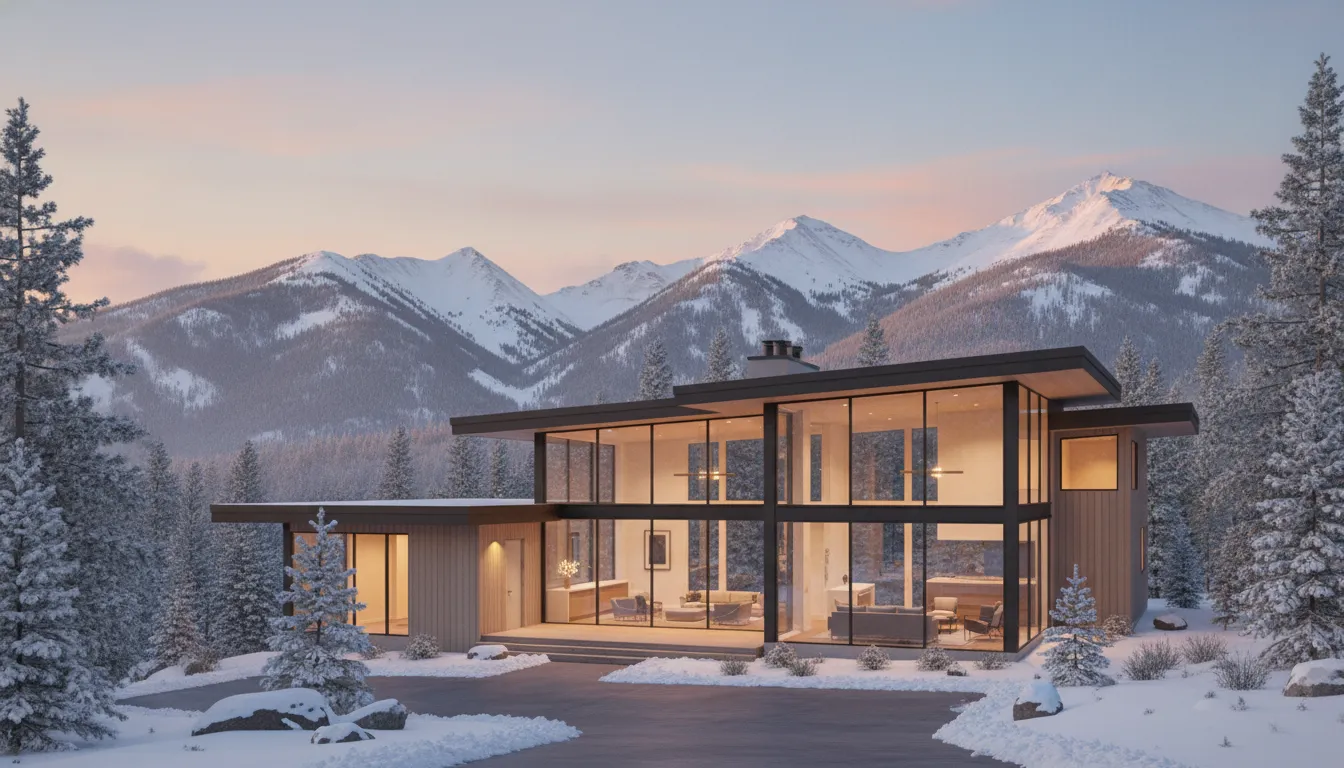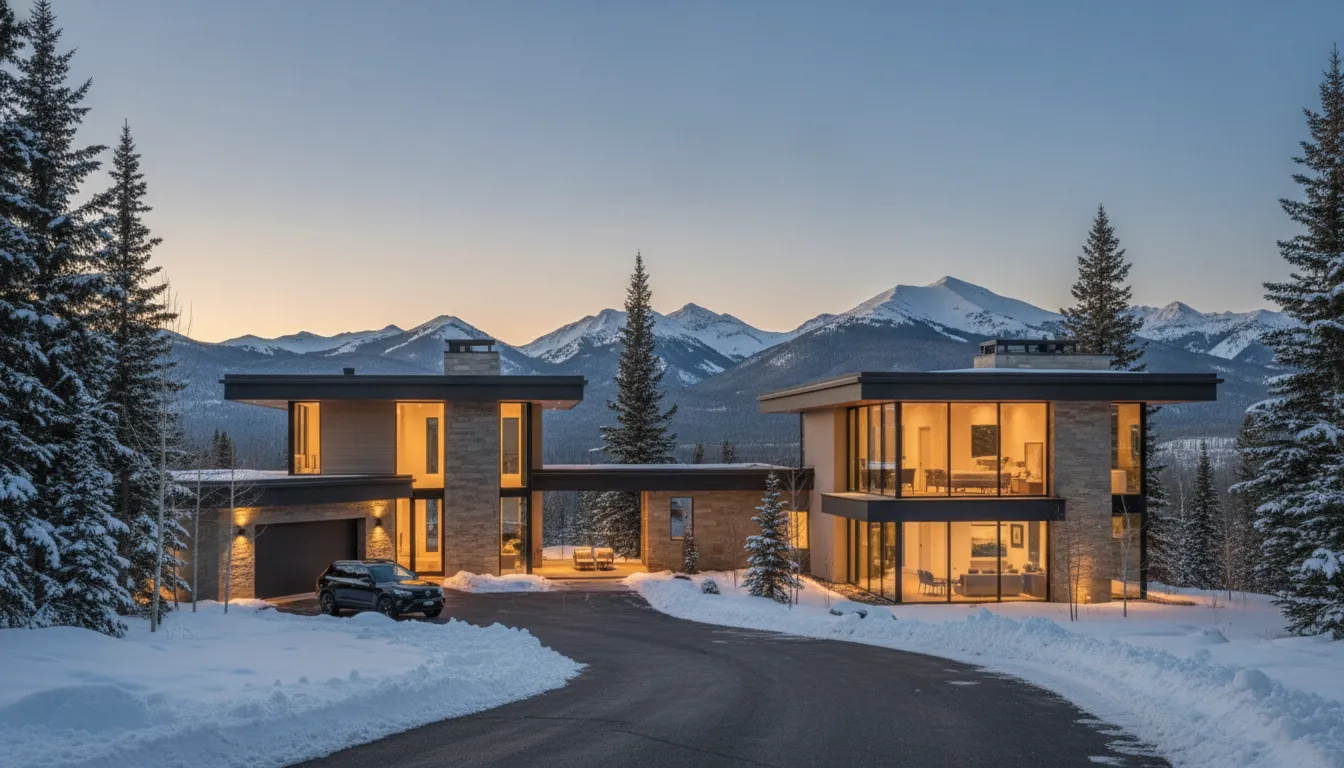


The Canyons Village real estate market is unlike any other. With its mix of luxury condos, sprawling mountain estates, and year-round appeal, financing a property here requires specific expertise. A generic mortgage approach just won’t cut it. You need to understand the nuances of jumbo loans, the expectations for HOA fees in a resort community, and how to position your finances for success in a high-value market. This guide serves as your insider look into the process, providing the clarity you need to make a smart purchase and secure the right second home mortgage Canyons Village for your unique goals.
Thinking about a mountain escape you can call your own? Canyons Village offers more than just a getaway; it’s a lifestyle. Nestled in the heart of Park City, this vibrant community combines world-class recreation with the comforts of a luxury home. Whether you’re dreaming of a ski-in/ski-out condo for family vacations or an investment property that generates income, Canyons Village presents a compelling opportunity. It’s a place where you can build memories and equity at the same time. Before you start the mortgage process, let’s look at what makes this corner of Utah so special.
Canyons Village is a premier destination for real estate in Utah, and for good reason. It’s known for its stunning mountain views, lively community, and direct access to the slopes. The market here caters to a variety of goals, whether you're searching for a quiet mountain retreat, a property with strong rental potential, or a home base for year-round outdoor adventures. You can find everything from modern condos to spacious single-family homes. Because of its popularity, the area holds its value well, making it a solid choice for those looking to invest in real estate. It’s a place where your property is both a personal asset and a smart financial one.
While many ski towns are seasonal, Canyons Village thrives all year. As part of Utah's largest ski area, it offers an incredible 7,300 acres of skiable terrain. But the fun doesn’t stop when the snow melts. The community transforms into a summer paradise with an 18-hole golf course, over 400 miles of hiking and biking trails, zip-lining, and outdoor concerts. This year-round activity makes it an attractive place to live or rent out, regardless of the season. This unique combination of world-class winter sports and a full calendar of summer activities creates a dynamic environment that few other mountain communities can match.
Owning a second home in Canyons Village can be a rewarding financial decision. Many properties here are zoned for nightly rentals, which creates a fantastic opportunity for investors looking to generate income. Homes with ski-in/ski-out access are especially popular with vacationers, commanding premium rates during the winter. This rental income can help offset your mortgage, property taxes, and maintenance costs. Beyond the immediate cash flow, you also get a personal vacation spot to enjoy whenever you want. It’s a practical way to build wealth while enhancing your lifestyle, giving you both a financial return and a lifetime of memories.
When you’re buying a property you don’t plan to live in full-time, you might hear the terms “second home” and “investment property” used interchangeably. For a lender, however, these are two very different things. Getting clear on the distinction is one of the first steps in your buying journey because it shapes your entire mortgage process, from the application to the interest rate you’ll secure.
The key difference comes down to one simple question: What is the primary purpose of the property? Is it for your personal enjoyment, or is it to generate income? Your answer determines how lenders classify the loan, which in turn affects the financing options available to you. Understanding this from the start helps you set realistic expectations and prepare a stronger application. Let’s break down what each classification means for your mortgage.
A lender will classify your purchase as a second home if you intend to occupy it for at least part of the year. Think of it as your personal getaway, a place for ski weekends or summer holidays. You can’t rent it out full-time, and you can’t rely on potential rental income to help you qualify for the loan. It must be a reasonable distance from your primary residence, and it needs to be suitable for year-round occupancy. The loan process for a second home is quite similar to that of a primary residence, though with a few key differences.
On the other hand, if your main goal is to generate income through rent, the property is considered an investment. This applies even if you plan to use it yourself for a week or two each year. If you need to use projected rental income to qualify for the mortgage, it will automatically be categorized as an investment property.
The way your property is classified directly impacts your financing terms. Lenders view investment properties as higher risk than second homes because borrowers are more likely to default on a rental property than on a home they personally use. Because of this increased risk, investment properties typically come with stricter requirements. You can expect to provide a larger down payment, often 20% or more, and you may need more cash reserves on hand.
This distinction also affects your interest rate. Second home mortgage rates are very competitive, but they usually run slightly higher than those for a primary residence. Investment property rates are higher still. This difference might seem small at first, but over the life of a 30-year loan, even a fraction of a percentage point can add up to thousands of dollars. Knowing which category your Canyons Village home falls into helps you accurately budget for your purchase.
When you’re ready to finance a property in Canyons Village, you’ll find several mortgage options available. The right one for you will depend on your financial picture, how long you plan to own the home, and your comfort level with fluctuating payments. Think of it less as finding the "best" loan and more as finding the best fit for your specific goals. The three main paths you'll likely consider are fixed-rate mortgages, adjustable-rate mortgages (ARMs), and jumbo loans.
A fixed-rate loan offers predictability, which is perfect if you value a stable monthly payment. An ARM, on the other hand, could give you a lower initial rate, which might be appealing if you don't plan to hold the property long-term. Given the high property values in Canyons Village, a jumbo loan is often a necessity. This type of financing is designed specifically for luxury real estate. Understanding how each of these works is the first step in making a confident decision. We can help you explore your options and find a clear path forward.
A fixed-rate mortgage is exactly what it sounds like: your interest rate is locked in for the entire term of the loan. This means your principal and interest payment will never change, giving you a predictable housing expense month after month. This stability is a huge advantage, especially for a second home, as it makes budgeting simple and straightforward. Many lenders agree that a fixed-rate loan is a great choice for a second home because it offers peace of mind. It’s the go-to option if you plan to keep your Canyons Village retreat for many years and prefer to avoid any surprises with your monthly payment down the road.
An adjustable-rate mortgage, or ARM, typically starts with a lower interest rate for an initial period, after which the rate can change based on market conditions. This can translate to a lower monthly payment at the beginning of your loan term, which can be an attractive feature. However, it’s important to remember that your payment could increase if rates go up. While mortgage rates for second homes can sometimes be slightly higher than for primary residences, an ARM might still offer initial savings. This option could be a good fit if you plan to sell the property before the fixed-rate period ends or if you’re comfortable with the potential for future payment adjustments.
Because of the premium real estate in Canyons Village, many properties require a jumbo loan. This is a mortgage that exceeds the conforming loan limits set by federal agencies. While the requirements can be more stringent, a jumbo loan is the standard tool for financing high-value homes. You should plan for a larger down payment, as a second home down payment for a jumbo loan is often 20% or more. Securing this type of financing is much smoother when you work with a mortgage professional who specializes in the Park City luxury market. We have deep experience with jumbo loans and can guide you through the process with clarity and confidence.
When you finance a second home, the financial requirements look a little different than they did for your primary residence. Lenders view second homes as a slightly higher risk, so the qualifications for down payments and interest rates are more stringent. This isn't meant to be a barrier, but rather a way for lenders to ensure the loan is a sound investment for everyone involved. Understanding these differences ahead of time helps you prepare your finances and set realistic expectations for your Canyons Village home purchase. Let's walk through what you can anticipate so you can approach the process with confidence.
For a second home, you should plan for a larger down payment than you made on your primary residence. While you might have put down as little as 3% on your first home, lenders typically require at least 10% for a second home mortgage. Depending on your financial profile and the lender's specific guidelines, this could go as high as 30%. Lenders want to see that you have a significant stake in the property from day one. Beyond the down payment, you'll also need to show you have sufficient cash reserves, often equal to several months' worth of mortgage payments, to cover any unexpected costs.
Interest rates for second homes are generally a bit higher than those for primary residences. You can expect rates to be anywhere from 0.25% to nearly a full percentage point higher. This premium accounts for the lender's increased risk. Since a borrower is more likely to default on a second home than their primary one during financial hardship, the higher rate serves as a form of protection for the lender. You can check our website for today's current mortgage rates to get a clearer picture of what to expect for your Canyons Village property.
Several key factors determine the interest rate you'll receive on your second home loan. As with any mortgage, your credit score is a major component; higher credit scores are often rewarded with lower rates. The size of your down payment also plays a crucial role. Putting more money down reduces the lender's risk, which can help you secure a more favorable interest rate. Your debt-to-income (DTI) ratio and the amount of cash you have in reserves will also be closely examined. A strong financial footing makes you a more attractive borrower and can lead to better loan terms.
When you apply for a second home mortgage, lenders take an even closer look at your finances. Since a vacation home is a luxury, not a necessity, they want to be confident you can comfortably manage payments on two properties, even if your financial situation changes. Think of it as their way of making sure your Canyons Village dream home remains a joy, not a financial burden. They’ll focus on four key areas to get a complete picture of your financial health.
Lenders see your credit score as a reflection of your reliability as a borrower. For a second home, the standards are often a bit higher. A strong credit score shows you have a history of managing debt responsibly, which gives lenders peace of mind. It’s not just about getting approved, either. A higher score can directly translate into more favorable interest rates, saving you a significant amount of money over the life of your loan. Lenders may even have a minimum credit score requirement specifically for second homes, so it’s always a good idea to check your score and address any issues before you start your property search in Canyons Village.
Your debt-to-income (DTI) ratio is another major piece of the puzzle. In simple terms, this ratio compares how much you owe each month to how much you earn. Lenders use your DTI ratio to assess your ability to handle an additional mortgage payment on top of your existing debts, like your primary mortgage, car loans, or credit card payments. For a second home, lenders typically look for a lower DTI, as it demonstrates you have plenty of financial breathing room. Getting a clear picture of your DTI is a key part of our process, and we can help you understand where you stand before you even apply.
Beyond your down payment, lenders want to see that you have a solid financial safety net. These are your cash reserves, and they show you can handle the unexpected without missing mortgage payments. For a second home, you’ll need to prove you have sufficient funds to cover not just closing costs, but also several months' worth of mortgage payments for both your primary residence and your new Canyons Village property. Lenders typically want to see two to six months of reserves in a liquid account, like savings or checking. This assures them that if you face a temporary income dip, you’ll still be able to manage all your obligations comfortably.
Finally, get ready to share a detailed look at your financial life. Just as with any mortgage, your lender will want to perform a complete financial review to verify that your income and assets can support the loan. This means providing documents like recent pay stubs, W-2s, federal tax returns, and bank statements. If you're self-employed or have complex finances, you may need to provide additional paperwork, like profit and loss statements. While it might feel like a lot, this step is standard practice and ensures that the loan is a sustainable fit for your financial situation. We can provide a clear checklist of what you'll need to make this part of the process as smooth as possible.
When you find that perfect ski-in/ski-out condo or mountain home in Canyons Village, it’s easy to get swept up in the excitement. But the list price is just the starting point. To make a smart financial decision, you need a clear picture of the total cost of ownership. This includes one-time fees at purchase and the recurring expenses that come with owning a luxury property. Thinking through these costs ahead of time ensures your mountain retreat remains a source of joy, not financial stress. Let’s walk through the key expenses to budget for beyond your mortgage payment.
Closing costs are the collection of fees you pay to finalize your real estate transaction and secure your loan. These are separate from your down payment and are typically paid on closing day. For a second home in Canyons Village, these costs can include appraisal fees, title insurance, loan origination fees, and attorney fees. As a general rule, you can expect closing costs to be between 2% and 5% of the total loan amount. On a high-value property financed with a jumbo loan, this can be a significant upfront expense, so it’s important to prepare for it. Our team walks you through every fee so there are no surprises at the closing table as part of our transparent process.
Once you have the keys, you’ll have annual costs to consider, with property taxes and homeowners insurance being two of the largest. Property taxes are based on the assessed value of your home and can be a substantial recurring expense in a desirable area like Summit County. You can find specific tax information directly from the county to help you estimate this cost. Homeowners insurance is also essential for protecting your investment. A policy for a second home, especially one in a ski resort, may require specific coverage for periods of vacancy or unique risks associated with mountain climates, so be sure to discuss your situation with an insurance agent.
Most condos, townhomes, and homes in planned communities like Canyons Village are part of a Homeowners' Association (HOA). The monthly or quarterly HOA fees you pay cover the maintenance of shared amenities and services, which can be a huge plus. These often include snow removal, landscaping, security, and upkeep of pools, hot tubs, and fitness centers. It’s also wise to ask about special assessments. These are one-time fees levied by the HOA to cover major, unplanned repairs or upgrades, like replacing a roof on a shared clubhouse. Understanding the financial health of the HOA and its history of special assessments is a key piece of due diligence our happy clients appreciate.
Whether you plan to keep your Canyons Village home all to yourself or rent it out, you’ll need to budget for upkeep. Routine maintenance includes servicing the HVAC system, checking for plumbing leaks, and winterizing the property to prevent frozen pipes. If you plan to generate rental income, you’ll have additional costs. Many owners hire a property management company to handle bookings, guest communication, and maintenance, which typically costs a percentage of the rental revenue. You’ll also need to budget for professional cleaning between stays and any marketing costs. Factoring these expenses into your overall financial plan helps you choose from tailored financing solutions that truly fit your goals.
Owning a second home in a beautiful place like Canyons Village is a dream, but it’s smart to go in with your eyes open, especially when it comes to taxes. The tax implications of your mountain retreat depend heavily on how you plan to use it. Will it be a personal getaway for your family, a source of rental income, or a mix of both? Each scenario has its own set of rules that can affect your bottom line.
Understanding these tax rules from the start helps you make informed financial decisions. While I can walk you through the basics, this is one area where a qualified tax professional is your best friend. They can offer advice tailored to your specific financial situation. For now, let’s look at the key tax considerations you’ll want to be aware of as a second-home owner in Utah.
One of the biggest financial perks of homeownership is the mortgage interest deduction, and the good news is that it can apply to your second home, too. If your mortgage was taken out after 2017, you can deduct the interest on up to $750,000 of total mortgage debt. This is a combined limit for both your primary residence and your Canyons Village home. So, if you have $500,000 in mortgage debt on your main home and $250,000 on your second, you can deduct the interest on the full amount.
To take advantage of this, you must itemize your deductions on your tax return instead of taking the standard deduction. This strategy generally makes sense for high-income earners or those with significant deductible expenses.
When you own property in Canyons Village, you’ll be paying local property taxes to Summit County. These rates are determined at the local level and are an important part of your annual budget. On the state income tax side, Utah’s rules for the mortgage interest deduction generally align with federal guidelines, which is great for consistency.
However, it’s important to remember the federal cap on state and local tax (SALT) deductions. This includes your property taxes, state income taxes, and sales taxes. Currently, the total amount you can deduct for these taxes is capped at $10,000 per household per year. For owners of high-value properties, this cap is often met quickly, so it’s a key factor to include in your financial planning.
Many Canyons Village homeowners choose to rent out their properties to capitalize on the area’s popularity as a year-round destination. If you go this route, any rental income you earn is taxable. The upside is that you can also deduct a wide range of rental-related expenses, such as mortgage interest, property taxes, insurance, maintenance costs, and property management fees.
The rules get a bit more complex if you use the home for both personal getaways and rentals. The IRS has specific guidelines, often called the "14-day rule." If you use the property for personal reasons for more than 14 days or 10% of the total days it’s rented out, your ability to deduct rental losses may be limited. Tracking your personal and rental days is essential for staying compliant and helping you maximize your tax benefits.
Getting a mortgage for a second home involves a bit more scrutiny than your primary residence, but don’t let that discourage you. Lenders simply want to see that you have a strong financial foundation to support two properties. With a little preparation, you can present a compelling application that positions you as a reliable borrower. It’s all about showing you’re well-prepared for the financial responsibilities of owning a beautiful Canyons Village retreat. Taking a few key steps before you even apply can make a world of difference, setting you up for a smooth and successful process.
Before you start your application, focus on polishing your financial profile. Lenders often look for higher credit scores for second home loans, and improving your score can help you secure a more favorable interest rate. It’s also wise to be ready for a significant down payment. While the minimum is often 10%, putting down 20% or more can make your application more attractive.
Beyond the down payment, lenders want to see that you have sufficient cash reserves. This means having enough money in the bank to cover several months of mortgage payments for both your primary and second homes. These funds show lenders you can handle unexpected expenses without missing a payment, giving them confidence in your financial stability.
While strong financials are essential, the right guidance can be just as valuable. Working with a mortgage specialist who has deep roots in the Park City area gives you a distinct edge. A local expert understands the nuances of the Canyons Village market, from the specific requirements for ski-in/ski-out condos to the intricacies of financing a luxury estate. They know which properties may have unique considerations and can help you prepare accordingly.
A Park City mortgage specialist does more than just process paperwork. They act as your advocate, helping you find the best loan products for your situation, especially if you need a jumbo loan for a high-value property. They can also streamline the process from pre-approval to closing, connecting you with trusted local contacts like appraisers and title companies who understand the market. This local insight ensures a smoother, more efficient experience, letting you focus on the excitement of owning your mountain getaway.
How much should I actually budget for a down payment on a Canyons Village home? While the technical minimum for a second home is often 10%, it’s smart to aim for 20% or more, especially for the high-value properties in Canyons Village. A larger down payment makes your application stronger, reduces your monthly mortgage payment, and can help you secure a better interest rate. Think of it as a strategic move that lowers the lender's risk and demonstrates your financial commitment to the property.
Can I use potential rental income to help me qualify for my loan? This is a great question, and the answer depends on how the property is classified. If you need to use projected rental income to qualify, the lender will categorize your purchase as an investment property, not a second home. This changes the loan requirements, often leading to a higher down payment and interest rate. If you can qualify for the mortgage based on your existing income alone, it can be financed as a second home, which typically offers more favorable terms.
Besides the mortgage, what are the biggest ongoing costs I should plan for? It's wise to look beyond the mortgage payment. In Canyons Village, your largest recurring expenses will likely be property taxes and HOA fees. The HOA fees cover valuable services like snow removal and amenity upkeep, which is a huge convenience. You should also set aside a budget for routine maintenance, utilities, and homeowners insurance, which can have specific requirements for a mountain property.
Will my interest rate be a lot higher than it was for my primary home? You can expect the interest rate for a second home to be slightly higher, but usually not dramatically so. Lenders add a small premium, often between 0.25% and 1%, to account for the added risk associated with a non-primary residence. The exact rate you get still depends heavily on your credit score, down payment size, and overall financial health, so a strong application can help keep that difference to a minimum.
How much cash do I need to have on hand besides my down payment? Lenders want to see that you have a solid financial cushion, which they call cash reserves. In addition to your down payment and closing costs, you should have enough liquid funds to cover several months of mortgage payments for both your primary home and your new Canyons Village property. A good target is having at least six months of payments saved, as this shows the lender you can comfortably manage your obligations, even if you hit a financial bump in the road.