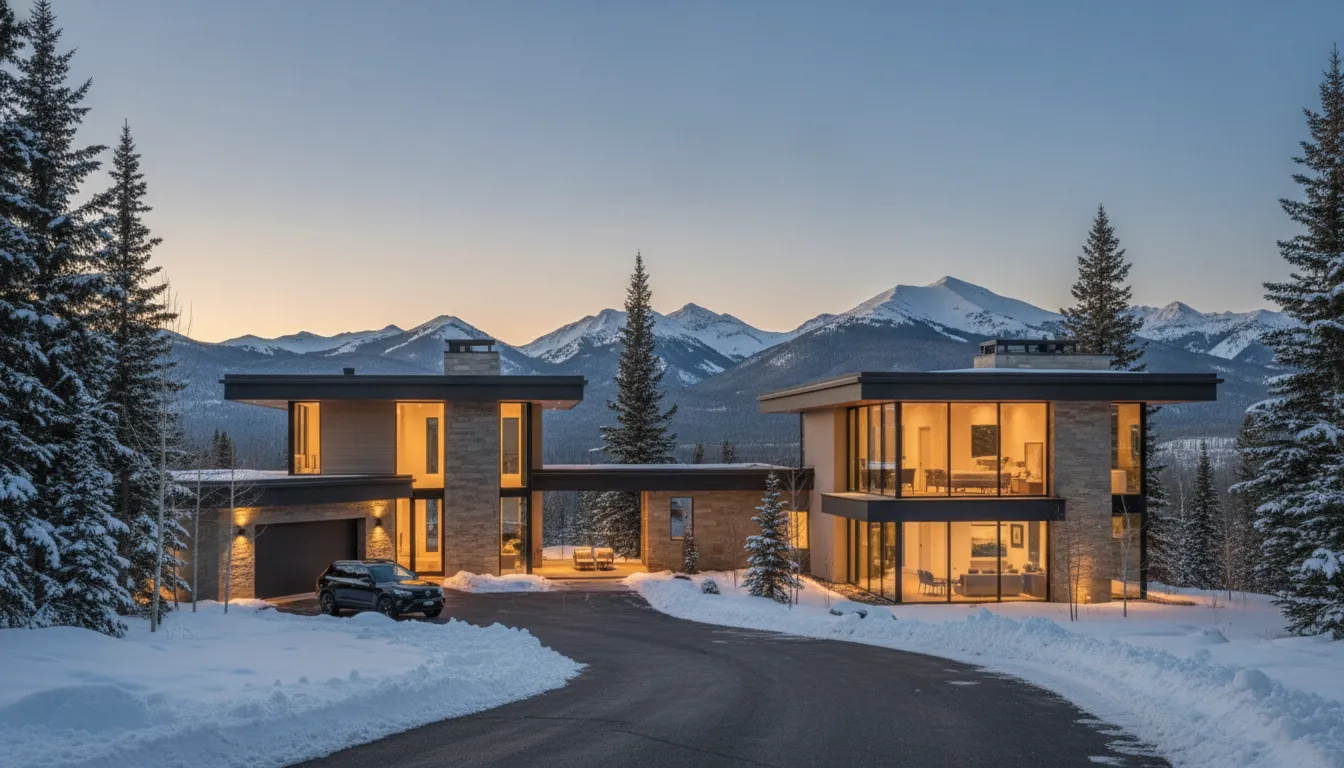


If you’re self-employed or have multiple income streams, you might assume getting a mortgage for a luxury property will be complicated. The truth is, your financial life doesn’t need to fit into a simple box to qualify. It just means you need a lender who understands how to look at your complete financial picture. From bank statement loans to structuring a jumbo loan around complex assets, there are clear paths to success. This guide is designed for buyers like you, offering specific strategies for ski-in/ski-out residence financing Park City when your income doesn’t come from a traditional W-2.
Imagine waking up, stepping into your skis, and gliding directly onto a freshly groomed run. That’s the reality of owning a ski-in/ski-out property in Park City. It’s more than just a home; it’s your private gateway to the mountain, offering a level of convenience and connection that transforms your entire winter experience. These properties are not just about avoiding shuttle buses and parking lots. They represent a unique lifestyle investment where world-class recreation is literally at your doorstep. Because of this exclusive access and high demand, understanding the market and your financing options is key. As local experts in Park City’s luxury market, we can guide you through the process of securing one of these exceptional homes.
The appeal goes beyond the slopes. It’s about maximizing your time with family and friends, creating memories without the logistical hurdles that can accompany a mountain vacation. Think of effortless morning starts, skiing home for lunch, and enjoying après-ski on your own deck as the sun sets over the Wasatch Range. This seamless integration of home and recreation is what defines the ski-in/ski-out lifestyle. This unique combination of luxury, convenience, and access to nature makes these properties highly coveted. For many, it’s the ultimate expression of mountain living and a legacy to be enjoyed for generations. Securing a property in this competitive environment requires a clear financial strategy, and that’s where having the right mortgage partner makes all the difference.
The premium price of a ski-in/ski-out home comes down to one thing: unparalleled access. You are paying for the ultimate convenience and a seamless connection to the mountain lifestyle. This exclusivity creates high demand for a limited supply of properties, which naturally drives up their value. But it’s not just about personal enjoyment. These homes are also powerful investment assets. Properties closer to the resorts often command higher rental demand and appreciation potential, making them attractive for those looking to invest. The ability to generate significant rental income can offset ownership costs and build equity in a highly sought-after market.
Park City’s premier neighborhoods each offer a distinct flavor of the ski-in/ski-out lifestyle. Deer Valley is renowned for its five-star service and exclusivity. Known as one of the best ski resorts in North America, it features meticulously kept runs and limits daily skiers to ensure an uncrowded experience. Over at Canyons Village, you’ll find a vibrant base area with luxurious homes and condos offering direct slope access. It’s the largest ski area in the U.S., providing endless terrain to explore. For those seeking a private club atmosphere, Promontory offers incredible amenities and exclusive ski lodges at the mountains, giving you a pampered and seamless ski day.
The Park City real estate market has long been a destination for high-net-worth buyers, second-home owners, and savvy investors. The numbers reflect this demand. The average price for ski-in/ski-out properties hovers around $1,930 per square foot, with a median list price of over $4.3 million. While these figures are significant, they also signal a stable and desirable market with a history of strong appreciation. For buyers in this category, securing the right financing is crucial. Understanding the current jumbo loan rates and terms available for these unique properties will give you a competitive edge when you decide to make an offer.
Financing a luxury ski home in Park City is a different ballgame than securing a conventional mortgage. Because these properties come with premium price tags, the lending options are more specialized. Understanding your choices is the first step toward making a smart financial decision. From jumbo loans designed for high-value homes to strategic options for managing cash flow, let's look at the most common ways buyers finance their dream mountain retreat.
Since most ski-in/ski-out residences in Park City exceed the limits for conventional loans, you’ll likely be looking at a jumbo loan. These are the standard for financing high-value properties. Because the loan amount is larger, lenders take on more risk, which is why jumbo loan requirements are typically more stringent. You can expect a closer look at your credit score, income, and assets. Lenders will also want to see that you have significant cash reserves. While it sounds intimidating, working with a lender who specializes in jumbo loans makes the process straightforward. They can help you prepare your documentation and present your financial picture in the best possible light.
For many high-net-worth buyers, an interest-only mortgage is a strategic financial tool. This type of loan allows you to pay only the interest for a set period, typically the first five to ten years of the loan term. This results in a significantly lower monthly payment, freeing up your cash flow for other investments or business opportunities. After the interest-only period ends, your payments will increase to include both principal and interest. This option isn't for everyone, but it can be an excellent choice if you anticipate a significant increase in income or plan to sell the property before the interest-only period is over.
If your financial situation is complex, perhaps due to self-employment or multiple income streams, a portfolio loan might be the perfect fit. Unlike traditional mortgages that are sold to investors, portfolio loans are kept on the lender's books. This gives the lender much more flexibility with their underwriting standards. They can create a loan tailored to your unique financial profile instead of trying to fit you into a rigid box. These loans are a cornerstone of private banking relationships and are a great example of why working with an experienced local lender who understands the nuances of high-net-worth individuals is so important.
Just like with conventional loans, you’ll have the choice between a fixed-rate and an adjustable-rate mortgage (ARM). A fixed-rate jumbo loan provides predictability; your interest rate and monthly payment remain the same for the life of the loan. An ARM, on the other hand, typically offers a lower initial interest rate for a set period (like five, seven, or ten years) before adjusting based on market conditions. An ARM can be a great option if you plan to sell the home before the fixed period ends or if you want to take advantage of lower initial payments. You can explore current mortgage rates to see which option might work best for you.
In a competitive market like Park City, an all-cash offer is a powerful tool. It signals to sellers that you are a serious buyer and eliminates the risk of financing falling through, which can lead to a faster, smoother closing. Many high-net-worth individuals make all-cash offers to strengthen their negotiating position. However, paying cash isn't always the best financial move, even if you have the funds. Many buyers choose to finance their purchase to keep their capital liquid for other investments. A strong, fully underwritten pre-approval from a reputable lender can make your financed offer nearly as compelling as cash, showing sellers you are ready to close.
Once you’ve found your dream ski-in/ski-out property, the next big question is: how much do you need for a down payment? In Park City’s luxury market, the answer is a bit different than in other places. Because these are high-value homes often financed with jumbo loans, the down payment is a key piece of the puzzle. It not only determines your loan amount but also signals your strength as a buyer in a competitive landscape. Let’s break down what you can expect and how to prepare.
Let’s get straight to it: for a luxury ski home in Park City, you should be prepared for a down payment of around 30% to 40%. While that number might seem high, it’s standard for this unique market. Many transactions here are all-cash, so when you finance, a substantial down payment shows sellers you’re a serious and well-qualified buyer. This positions your offer competitively against cash buyers.
Think of it as your ticket into one of the most exclusive real estate markets. Lenders also see a larger down payment as a sign of commitment, which reduces their risk on a high-value jumbo loan. It’s a key step in securing the financing for a home that gives you direct access to the slopes.
Not all properties are viewed the same by lenders, and this can influence your down payment. Jumbo loan requirements for luxury homes in Park City are typically more stringent because these loans carry more risk for the lender. A single-family home might have different requirements than a condominium, especially if the condo is in a building with a high percentage of renters.
Lenders consider these factors when they evaluate your loan application. A property classified as a second home will often have more favorable terms than one classified as a pure investment property. Understanding how a property’s specific characteristics affect financing is crucial, and it’s an area where having an experienced guide can make all the difference.
The 30% to 40% range is a great starting point, but your personal financial situation is what truly shapes your down payment requirement. Securing the right financing is a very personal process. Lenders will look at your entire financial picture, including your credit score, income stability, existing debt, and liquid assets. A strong financial profile might give you access to more flexible down payment options or better terms.
For example, a borrower with an exceptional credit score and significant cash reserves may qualify for a loan with a down payment on the lower end of the spectrum. On the other hand, if you're self-employed or have a more complex income structure, a lender might ask for a larger down payment to offset the perceived risk.
Putting 30% or more down is a significant investment, but there are ways to approach it strategically. The most important step is to work with a local mortgage professional who understands the Park City market inside and out. A local expert can help you explore different jumbo loan products, including fixed-rate, adjustable-rate, and even interest-only options that might change your upfront cash requirement.
They can also help you structure your offer to be as strong as possible. Sometimes, this involves looking at your assets creatively or timing your purchase to align with your financial goals. An experienced lender provides the transparent guidance needed to find a solution that fits your specific circumstances, ensuring you feel confident from pre-approval all the way to closing.
When you’re financing a luxury property in Park City, the interest rate and loan terms you secure are more than just details on a contract. They directly shape your monthly payments, the total cost of your home over time, and your overall financial strategy. Understanding how these elements work together is key to making a smart purchase that aligns with your goals. Because jumbo loans for Park City’s luxury homes carry more risk for lenders, the terms can be more stringent, making it even more important to get them right.
A fixed-rate mortgage locks in your interest rate for the entire loan term, giving you a predictable monthly payment that never changes. It’s a great option if you value stability and plan to keep your ski home for many years. On the other hand, an adjustable-rate mortgage (ARM) typically offers a lower initial rate for a set period, like five or seven years, before it adjusts with the market. An ARM can be a strategic move if you plan to sell before the fixed period ends or want a lower initial payment. Exploring the latest rates for both can help you see which might fit your financial picture best.
Deciding between a 15-year or 30-year loan term comes down to your personal financial goals. A shorter-term loan, like a 15-year mortgage, means higher monthly payments, but you’ll pay significantly less interest over the life of the loan and build equity much faster. A 30-year loan offers lower monthly payments, freeing up cash for other investments or expenses. As experts often say, securing the right financing for your personal situation is a very important part of the home-buying process. Thinking about your long-term plans will help you choose the term that makes the most sense for you.
With a jumbo loan, even a tiny shift in your interest rate can have a huge impact on your wallet. A fraction of a percentage point might not sound like much, but on a multi-million dollar loan, it can easily add up to hundreds of dollars more per month and tens of thousands over the life of the loan. This is why it’s so important to work with a local Park City mortgage professional. An expert with deep market knowledge can help you find the most competitive financing available, which makes a real difference in your long-term costs.
The sticker price on a Park City ski home is just the first number to consider. To get a complete picture of your investment, you need to look at the ongoing costs of ownership. Think of it as building a financial roadmap for your mountain retreat. Planning for these expenses from the start ensures your dream home remains a source of joy, not financial stress. These recurring costs, which include property taxes, HOA fees, and potential club memberships, can easily add up to between $70,000 and $100,000 or more each year.
Understanding these costs is a key part of the home financing process. When you know what to expect, you can budget confidently and structure your jumbo loan in a way that aligns with your long-term financial goals. It allows you and your lender to have a transparent conversation about your total monthly housing payment, not just the principal and interest. This holistic view is what separates a good purchase from a great one. Let’s break down the main expenses you’ll want to factor into your budget.
Property taxes are a significant part of the annual cost of owning a home in Park City. On average, you can expect to pay around $43,751 per year, but this figure varies depending on your property's specific location and assessed value. These taxes are essential, as they fund the top-tier local services that make this area so desirable, including excellent schools, road maintenance (especially important for snow removal), and public safety. Before you make an offer, it’s a smart move to get a specific property tax estimate for the home you’re interested in. This helps avoid any surprises and gives you a clear, accurate number for your budget.
For most ski-in/ski-out properties, a Homeowners' Association (HOA) is part of the package, and their fees are crucial for maintaining the luxury and convenience you’re paying for. Annually, these fees average around $22,926. This money typically covers essential services like snow removal from walkways and private roads, landscaping, and the upkeep of shared amenities such as fitness centers, pools, hot tubs, and private ski lounges. While it’s an added expense, a well-run HOA protects your investment by ensuring the entire community remains pristine and functional. Always review the HOA’s financial statements and bylaws before buying to understand exactly what’s covered.
Many of Park City’s most exclusive neighborhoods offer access to private clubs that can greatly enhance your mountain lifestyle. While optional, these memberships are a popular choice for homeowners looking for an elevated experience. For example, joining a club like the Talisker Club in Deer Valley can add $20,000 to $25,000 to your annual expenses. In return, you gain access to private golf courses, exclusive ski lounges, members-only dining, and a full calendar of social events. When considering a property, think about whether this type of lifestyle is important to you and factor the associated membership costs into your overall financial plan.
Beyond predictable costs like taxes and HOA fees, you’ll also need to budget for insurance, general maintenance, and unexpected repairs. Homeowner’s insurance for a luxury property in a mountain climate can be higher than average, so be sure to get quotes early. You should also set aside funds for routine upkeep, like servicing the HVAC system, cleaning windows, and maintaining decks and hot tubs. A good rule of thumb is to budget 1% to 2% of your home’s value annually for these expenses. This proactive approach ensures you have the funds ready to keep your home in perfect condition.
If you plan to generate rental income from your ski home when you’re not using it, you’ll need to account for rental management fees. A full-service property manager who handles marketing, bookings, guest communication, and cleaning will typically charge between 20% and 50% of the gross rental revenue. While this might seem high, a great manager can maximize your occupancy and nightly rates while providing a seamless, hands-off experience for you. Understanding these fees is essential for accurately projecting your net income and calculating the property's potential return on investment.
When you’re buying a ski home in Park City, one of the first questions a lender will ask is how you plan to use it. Will it be your personal mountain getaway or a source of rental income? Your answer determines whether the property is classified as a second home or an investment property. This distinction is more than just a label; it fundamentally shapes your loan structure, from the interest rate to the down payment required. Understanding the difference is key to finding the right financing for your goals.
Lenders draw a clear line between a second home and an investment property. A second home is a residence you occupy for part of the year, and it can't be subject to a full-time rental agreement. An investment property, on the other hand, is purchased primarily to generate income through rent. Park City has long been a magnet for both second-home owners and seasoned investors, so lenders here are very familiar with both scenarios. Be prepared to state your intentions clearly, as this classification will guide the entire loan application and approval process from the very beginning.
Lenders view investment properties as carrying more risk. If you were to face financial trouble, the thinking goes, you’d be more likely to stop paying the mortgage on a rental before your primary residence. Because of this, jumbo loan requirements for investment properties are stricter. You can generally expect a higher down payment, often 30% or more, compared to a second home. The interest rates will also be slightly higher to compensate for the lender's added risk. Having a strong financial profile is crucial, as lenders will scrutinize your credit and assets even more closely for an investment property loan.
In a resort town like Park City, short-term rental regulations play a big role in financing. Lenders are well aware that ski-in/ski-out properties near the resorts have incredible rental demand and appreciation potential. If you’re buying an investment property, your lender will verify that the home or condo is in an area zoned for nightly rentals. They will review HOA documents to ensure no rules prohibit your rental strategy. A property with a proven history of rental income or one located in a high-demand rental zone can make your loan application stronger, as it demonstrates a clear path to revenue.
One of the biggest advantages of classifying your property as an investment is the ability to use potential rental income to help you qualify for the loan. Lenders can consider a portion of the property's projected rental income as part of your total income, which can make a significant difference in your purchasing power. You will likely need a formal rental appraisal to establish this income. This strategy is especially useful in Park City, where you can generate rental income year-round from ski tourists and summer adventurers. An experienced lender can explain exactly how this works and help you leverage it effectively.
Your financial life probably doesn’t fit into a simple box, and that’s completely normal. Many successful people, from entrepreneurs to consultants, have income streams that look different from a traditional salary. This doesn’t complicate your ability to get a loan for a Park City ski home; it just means you need a lender who understands your big-picture financial health. With the right strategy and documentation, you can present a strong and clear case for your jumbo loan application.
If your income comes from a mix of sources like a salary, bonuses, investments, and side projects, your main job is to get organized. Lenders will want to see a complete and stable financial picture, so you’ll need to gather documents for every income stream. This typically includes your last two years of tax returns, recent bank statements, and any 1099s or K-1s you receive. The goal is to clearly show consistent and reliable earnings over time. A lender experienced with high-net-worth clients can guide you through exactly what’s needed, making the process feel much more straightforward.
Being your own boss is incredibly rewarding, but it can feel like a hurdle when applying for a mortgage. Lenders will want to verify your business’s stability, usually by reviewing two years of personal and business tax returns along with a profit and loss statement. It’s important to work with a mortgage professional who understands the nuances of self-employment income, including how to account for business expenses and deductions. A local Park City lender who has helped other entrepreneurs buy luxury properties will know exactly how to position your financial profile for success, giving you a significant advantage.
What if your tax returns don’t fully capture your actual cash flow? This is a common scenario for business owners who make significant reinvestments in their company. In this case, a bank statement loan could be the perfect fit. Instead of focusing on your tax documents, this type of loan allows you to qualify based on the deposits made into your personal or business bank accounts over a 12 or 24-month period. It’s a smart and flexible alternative that helps lenders see your true income potential, opening the door to tailored financing solutions for your dream ski-in/ski-out residence.
Choosing a lender for your Park City ski home is one of the most critical decisions you’ll make in the buying process. This isn’t just about finding a bank; it’s about finding a strategic partner who can help you successfully purchase a high-value property in a very specific and competitive market. The right lender can make the difference between a smooth, successful closing and a frustrating, drawn-out ordeal. When you’re financing a luxury ski-in/ski-out residence, the stakes are simply too high to work with someone who doesn’t specialize in this unique corner of the real estate world.
Your lender should be more than a name on a document. They should be a guide who understands the local landscape, a financial expert who can structure the right loan for you, and a reputable professional whose name carries weight in the Park City community. As you begin your search, focus on three key areas: deep local market and jumbo loan experience, access to competitive and flexible financing, and the ability to provide a powerful pre-approval that strengthens your offer. Understanding the lending process from the start will set you up for a confident and successful purchase.
Park City is not like other real estate markets, and a lender from another state may not grasp the specific challenges of financing a home here. A local lender understands the nuances that can complicate a loan, from underwriting a condo-hotel unit in Canyons Village to appraising a multi-million-dollar home in Deer Valley. They have established relationships with local real estate agents, appraisers, and title companies, which helps the entire process run more smoothly.
Equally important is their experience with jumbo loans. Since most luxury properties in Park City exceed conforming loan limits, you’ll need a lender who lives and breathes this type of financing. They know how to handle the stricter documentation requirements and can structure a loan that aligns with your financial profile. A local mortgage professional who specializes in the Park City area brings an invaluable layer of expertise that can prevent delays and save your deal.
While getting a great interest rate is always a goal, the "best" lender for a jumbo loan offers more than just a low number. Because these loans carry more risk for the lender, the requirements are often more stringent. A top-tier lender stands out by providing flexible solutions tailored to your situation. This could mean offering various down payment scenarios, providing interest-only loan options to manage cash flow, or having specific programs for self-employed borrowers with complex income streams.
It’s always wise to speak with a few different lenders to compare your options. As you do, pay attention to how they approach your specific needs. Do they present creative solutions? Are they transparent about the terms? Look for a partner who can offer competitive mortgage rates while also providing the flexibility needed to secure a high-value property without unnecessary hurdles.
In Park City’s competitive luxury market, a weak offer won’t get a second look. A strong, fully underwritten pre-approval from a reputable local lender is one of the most powerful tools you can bring to the negotiating table. This is much more than a simple online pre-qualification. It means the lender has already reviewed your income, assets, and credit in detail, giving the seller confidence that your financing is solid and the deal will close on time.
When a seller’s agent sees a pre-approval letter from a well-known local lender, it immediately strengthens your offer, putting you on a more even footing with all-cash buyers. It signals that you are a serious, well-prepared buyer who has done their homework. This small step can be the deciding factor that gets your offer accepted, especially in a multiple-offer situation for a highly desirable ski-in/ski-out home.
Alright, you’ve found a property that feels like the one. Now what? Securing financing for a luxury ski home in Park City is a detailed process, but it doesn’t have to be overwhelming. Breaking it down into a clear, step-by-step plan will help you move forward with confidence. Think of this as your roadmap from dreaming about your mountain retreat to holding the keys. In a competitive market, being prepared is your single greatest advantage. A strong financial strategy shows sellers you’re a serious buyer and helps ensure a smooth journey to the closing table. This action plan will walk you through the essential steps to get your financing in order.
Before you even think about making an offer, your first move should be to get pre-approved. A pre-approval is a lender’s conditional commitment to loan you a specific amount, based on a thorough review of your finances. It’s much more powerful than a pre-qualification. This step solidifies your budget and proves to sellers that you have the financial backing to close the deal. We recommend speaking with a few different lenders to compare your options and find the best program for your situation. A strong pre-approval letter from a reputable local lender can make your offer stand out, giving you a critical edge in a competitive bidding situation.
To get pre-approved for a jumbo loan, you’ll need to provide a clear picture of your financial health. Start gathering your documents early so you’re ready to go. This typically includes recent pay stubs, two years of tax returns (both personal and business, if applicable), W-2s or 1099s, and statements from your bank and investment accounts. Your lender will also need details about any existing debts or real estate you own. Having these items organized will speed up the underwriting process significantly. You can find answers to common documentation questions in our FAQs to help you prepare.
Once your offer is accepted, your lender becomes your most important partner. This is where having a local expert really pays off. It’s more important than ever to use a local Park City mortgage professional who understands the nuances of our market. Out-of-state lenders often don’t realize that a specific ski-in/ski-out development may not be eligible for a standard loan program due to factors like rental use or HOA structure. A local specialist knows these properties inside and out, preventing last-minute surprises that could jeopardize your purchase. They will guide you through the appraisal, underwriting, and final closing steps, ensuring a seamless experience.
Is a 30% down payment an absolute must for a Park City ski home? While you should plan for a down payment in the 30% to 40% range, it’s less about a rigid rule and more about positioning your offer to win. In a market with many all-cash buyers, a substantial down payment shows sellers you are a serious, well-qualified buyer who can close without issue. That said, your complete financial picture matters most. An exceptionally strong financial profile might open up more flexible options, so it’s always worth having a conversation with a mortgage professional who specializes in jumbo loans to see what solutions are available for you.
My bank offers jumbo loans. Why is it so important to use a local Park City lender instead? A national bank might have great jumbo loan products, but they often lack the specific, on-the-ground knowledge needed for Park City’s unique properties. A local lender understands the nuances that can complicate a loan, like a condo-hotel’s rental program or the specific requirements for a home in a private club community. They have established relationships with local appraisers and real estate agents, which helps the entire process run smoothly and prevents last-minute surprises that could put your purchase at risk.
Besides the mortgage, what's the best way to estimate my total annual costs for a ski-in/ski-out property? To get a realistic budget, you’ll want to look beyond your mortgage payment. Start by requesting the property tax history for the specific home you’re interested in and ask for the current Homeowners' Association (HOA) documents, which will detail their fees and what they cover. From there, get homeowner's insurance quotes and plan to set aside about 1% of the home’s value each year for maintenance and repairs. Adding these figures together will give you a much clearer picture of the true cost of ownership.
What if I buy a property as a second home but later decide to rent it out more frequently? This is a great question and a common scenario. If your usage changes, the most important thing is to be transparent. Your original loan was based on the property being a second home, so you should speak with your lender before making any changes to your rental strategy. Depending on the specifics of your loan and the property's HOA rules, you might need to refinance into an investment property loan. A good mortgage partner can help you understand your options and ensure you remain in compliance with your loan terms.
I'm self-employed. What's the most important first step I can take to prepare for a jumbo loan application? The best first step is to get organized and have a conversation with a mortgage professional who specializes in working with entrepreneurs. Start by gathering your last two years of complete personal and business tax returns, along with your year-to-date profit and loss statement. This will help a lender understand the consistency and health of your business. Speaking with an expert early allows them to review your documentation and advise you on the best way to present your financial profile, including exploring options like a bank statement loan if needed.