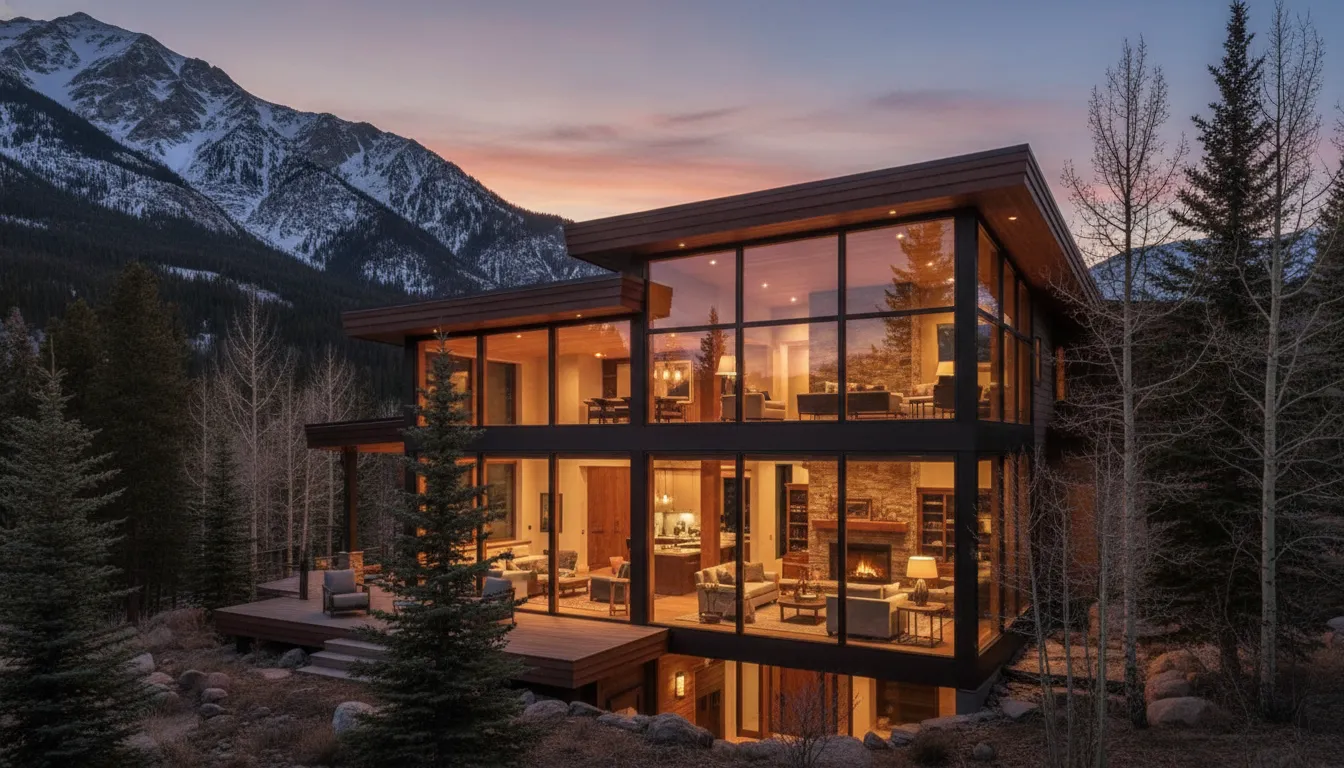


Buying a luxury retreat in Park City requires navigating the unique realities of 2nd home mortgage rates. In Summit County's resort market, successful financing depends on understanding how down payments, reserves, and luxury property standards shape your pricing.
Schedule a consultation with Rodrigo Ballon to review your Park City financing options.
Generally, 2nd home mortgage rates average about 0.25 to 0.50 percentage points higher than primary home loans, according to research from Experian. This rate premium exists because lenders view vacation homes as higher repayment risks during economic downturns. To offset this risk, banks require stricter qualification rules, including higher credit scores and large cash reserves. Buyers can still find competitive options by preparing larger down payments of twenty percent or more. In the Park City ski market, purchase prices often exceed standard loan limits, which means buyers must use tailored jumbo loan structures. A local mortgage partner can help you navigate these unique guidelines to secure the best possible terms for your resort property.
Before you start searching for a ski home in Summit County, you must understand how lenders calculate your pricing. Many personal and property factors will influence your final costs. To see how these rates are set, the path begins with looking at What Determines 2nd Home Mortgage Rates.
When you plan to buy a vacation getaway, you must look at how lenders price these loans. The broad market sets a base for all home financing. But your personal profile dictates the final cost. Knowing the rate factors helps you plan your budget. In resort markets like Park City, local property rules can also sway your monthly costs.
Your financial health is the first thing a bank checks. A primary key to getting a good rate is your credit profile. According to the Consumer Financial Protection Bureau, a higher credit score generally means more affordable mortgage rates. A strong score shows you can manage debt well. This score helps lenders decide how much trust to place in your file.
Your down payment is another major piece of the rate puzzle. Lenders use a metric called the loan-to-value, or LTV, ratio to judge risk. A larger down payment reduces the LTV and lowers the risk. When you put more cash down, you often get better pricing because you have more skin in the game. It also shows the bank that you are a strong buyer.
Lenders also weigh how you will use the property. A second home is a higher risk than a primary home because you do not live there full-time. If times get tough, people tend to protect their primary home first. For this reason, 2nd home mortgage rates often run higher than loans for primary homes. Lenders charge more to offset this risk.
This pricing gap is a standard part of the mortgage landscape. These rates often run about 0.25 to 0.50 points higher than standard primary-home loans. Lenders also enforce tighter rules for these purchases. You will likely need to show a larger down payment and a lower debt-to-income ratio to qualify. Meeting these standards helps you secure the best terms.
The size of your loan also plays a big role in your rate. If your loan amount is under the federal limit, it is a conforming loan. If you need a larger loan to buy a luxury home, you must look at jumbo options. Jumbo loans have different rules, and their rates may differ from standard limits. These larger loans need a deep review of your financial assets.
Lenders also look at your cash reserves after closing. Having extra cash on hand shows you can handle two mortgages even during lean times. Keep in mind that exact program terms and rates vary by borrower, property, market, and lender guidelines. Discussing your goals with a specialist can help you find the best fit. A local expert can guide you through the process step by step.
Yes, interest rates are typically higher when you buy a second home compared to a primary residence. While the market changes daily, buyers usually pay more to finance a vacation home or resort property. Understanding the rate landscape can help you prepare for the purchase of your dream retreat in Park City or Deer Valley. Lenders view these loans through a different lens, which affects your final terms.
The main reason for higher rates is occupancy risk. Lenders know that if you face a financial setback, you will protect your primary home first. If money gets tight, you are more likely to default on a vacation home. Due to this risk, mortgage lenders charge more for a second home, which drives up average rates.
According to data from Experian, these loans usually run about 0.25 to 0.50 percentage points higher than primary-home loans. This rate gap is not a fixed rule, but it shows the general market landscape. The difference can vary based on market conditions, the lender you choose, and your own financial profile. For a luxury property, even a small shift in interest can affect your long-term plans.
To offset the added risk, banks set higher hurdles for approval. When you apply for a second-home loan, you will face stricter credit and down payment standards. Most lenders require a larger down payment for a second property than for a primary home. You will also need to show strong cash reserves to prove you can handle two monthly house payments.
Your credit score is a major factor in setting your actual rate. A higher credit score usually leads to better mortgage terms, as outlined by the Consumer Financial Protection Bureau. If your score is low, reviewing the second home mortgage requirements early will help you qualify. Improving your credit in advance is a smart move that saves you money.
It is important to know that no two borrowers get the same pricing. Your final terms will depend on many factors beyond the base market. Lenders will check your debt-to-income ratio, your down payment size, and the loan size. For high-value properties in Summit County, you may need jumbo loans, which have their own rules.
Because every case is unique, you should explore your options with a specialist. Your own financial health is the biggest factor in finding competitive 2nd home mortgage rates. Rates, loan limits, and loan options will vary based on the borrower, property, and lender rules. Working with a local expert operating under CrossCountry Mortgage, NMLS #3029, ensures you get the right guidance for your goals.
Buying a resort home is not the same as buying a rental property. The way you plan to use the home will change your loan terms. Lenders look at second homes and investment properties as two distinct risk levels. These choices affect your down payment, tax rules, and loan programs, which also changes second home mortgage rates.
To get a second home loan, you must plan to live in the property for part of the year, which is common in resort areas like Park City. You cannot rent the home out full-time because an investment property is bought mainly to make rental income. Lenders have strict rules about these occupancy types. You must meet specific second home mortgage requirements to show you will use the property yourself.
Lenders see rental properties as higher risk than second homes. If a buyer faces tight cash times, they often pay their own homes first, making them more likely to default on a rental property. Because of this risk, lenders charge higher interest rates for investment loans. The Consumer Financial Protection Bureau (consumerfinance.gov) outlines how occupancy and other factors affect loan pricing.
Because of these risks, lenders set higher interest rates for rental properties. They also ask for larger down payments to lower their risk. While you might buy a second home with ten percent down, rental properties often need twenty-five percent down. Lenders also check your credit score, as higher credit scores will always help you get better terms.
The table below shows the key differences between these two financing paths.
| Feature | Second Home | Investment Property |
|---|---|---|
| Occupancy | Owner must live there part of the year. | Rented to tenants; owner does not live there. |
| Primary Intent | Personal use and resort enjoyment. | Generate rental income and cash flow. |
| Typical Down Payment | Usually 10% to 20% down. | Typically 20% to 25% or more. |
| Rate Posture | Slightly higher than primary home rates. | Higher than second home rates. |
| Loan Programs | Conventional and jumbo loans. | DSCR, bank statement, and business loans. |
The type of loan program you use will depend on your goals. For a second home, you can choose conventional or jumbo loans if the price is high, which needs personal proof of income. But for rental properties, you have other options. Many buyers use rental cash flow loans that look at the income of the home itself.
Rules also vary between these two property types. Lenders want to see strong cash reserves for both loans, but rental loans often need more cash to cover the mortgage. They also check the potential rent from a local appraiser. If you have complex income or own a business, a local specialist can help you find the right path.
Buying a resort home in Summit County takes careful planning. Lenders look at many key factors when you buy a vacation home. Rules from the Consumer Financial Protection Bureau show how loan rates and rules work. To get the best rates, you will need a strong financial profile. Lenders weigh your down payment, credit score, cash reserves, and other debts before they approve the loan.
Your down payment is one of the most vital parts of your loan. For a vacation home, you will need more cash down than for a main home. Most lenders look for at least twenty percent down on these homes. If you want a larger loan, the rules may be even more strict. You can read more about second home down payment requirements to plan your cash needs.
Lenders also check your cash reserves before they give you a loan. Reserves are the assets you have left over after you pay your down payment and closing costs. For a ski-country home, you may need six to twelve months of active mortgage payments in the bank. This cash cushion shows lenders that you can handle two home loans if times get tough. Having deep assets can also help you secure better loan terms.
Your credit profile is a key tool that lenders use to price your loan. A top credit score helps you get better second-home options. Lenders also look at your debt-to-income ratio, or DTI. This ratio compares your monthly debt payments to your gross monthly income. Most lenders prefer a DTI below forty-five percent for vacation homes. You can check the details on second home mortgage requirements to see how credit and debt limits work for these loans.
Buying a condo in a ski resort area like Park City brings other rules. Lenders must check the health of the condo board. They look at HOA budgets, cash reserves, and pending legal issues. Some ski resort condos are classed as condo-hotels, which can make financing much harder. If the resort has a shared rental pool or desk, it may need special loan programs. To navigate these local rules, it is helpful to look at financing a ski-country second home before you make an offer on a mountain home.
Keep in mind that these guidelines are general expectations. Every lender works under distinct rules, and your own qualification path will vary based on your financial profile, property type, and the local market. Programs and loan limits change often, so talking to a specialist early is the best way to plan your purchase.
Buying a second home in Park City or Deer Valley is a dream for many. These resort markets offer famous ski slopes and beautiful mountain views. But luxury real estate in Summit County comes with a premium price tag. For most high-end properties, a standard home loan is not enough. When the price of a mountain retreat climbs, you must look beyond basic loan limits. This is where jumbo financing becomes a vital tool for your purchase.
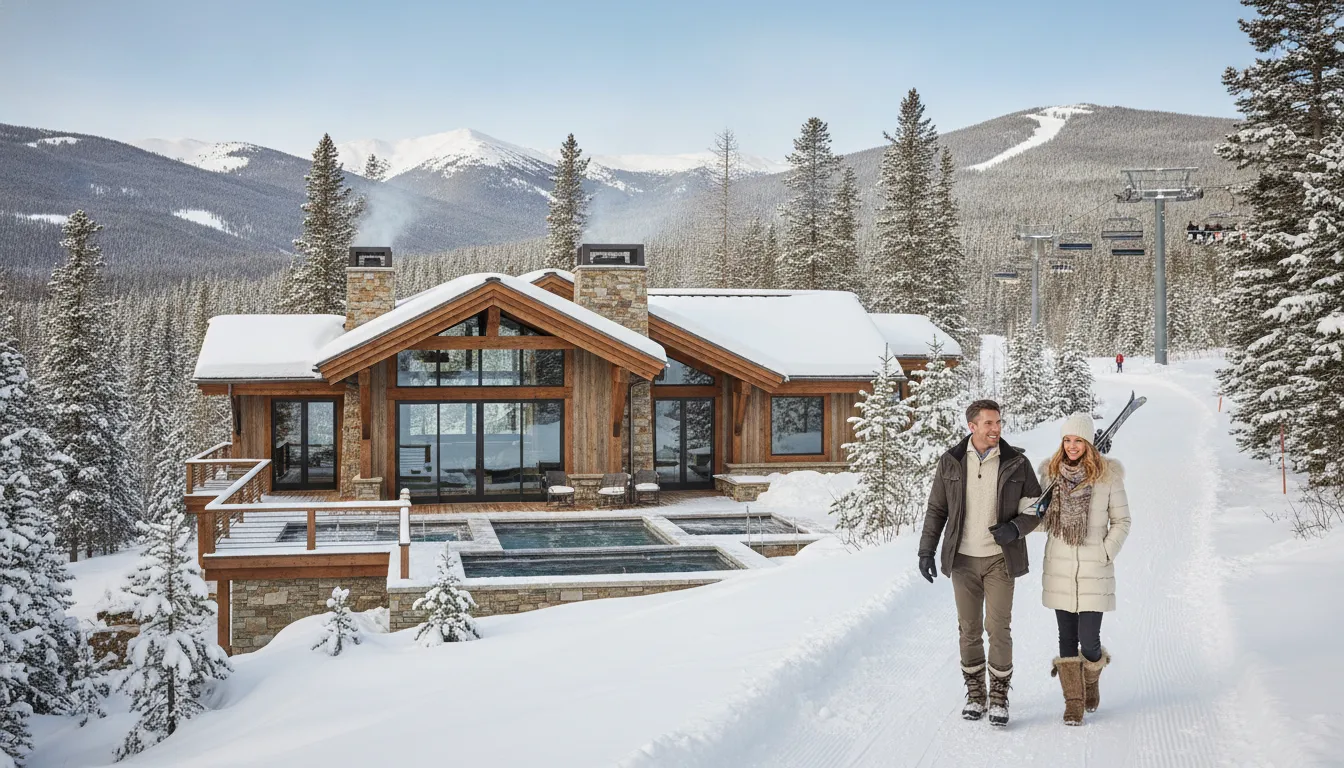
Lenders group home loans into two main types. Conforming loans fit the rules set by federal agencies. If a loan goes over these limits, it becomes a jumbo loan. The Federal Housing Finance Agency sets these boundaries each year. For a standard home, conforming limits are the same across most of the nation. But high-cost resort towns are different. In places like Park City, the price of a home is often much higher than the national average. To buy these properties, you will need to use jumbo loans. These large loans do not follow conforming rules. Instead, they have their own set of guidelines for down payments, cash reserves, and debt limits.
In Utah, Summit County is known as a high-cost area. Because home prices are high, the government raises the conforming limit here. For example, in Park City, the high-cost limit for 2025 starts around $1,149,825. If you buy a home and borrow less than this amount, you can get a conforming loan. But if your loan is even one dollar more, you must get a jumbo loan. In the Park City luxury market, many homes sell for millions. This means almost every high-end ski condo or mountain home requires jumbo financing. The rules for these loans are strict. You will need to show solid income, high credit, and plenty of extra cash after you close.
When you look at jumbo loans, you will find different pricing structures. Jumbo rates can sometimes be lower than conforming rates, but they change often. This rate landscape depends heavily on market factors and bank guidelines. When you compare 2nd home mortgage rates, you will see that they vary based on your financial strength. For a second home, you may also see a small rate markup. Lenders view a second home as a higher risk than a main home. If you want to get the best deal, you must prepare. You will need to understand the jumbo loan requirements for a second home. This includes having a larger down payment and showing that you can handle two housing payments at once. Buying in a luxury ski town is a major step. Having the right loan team can make the process smooth and successful.
Many people who buy a luxury home in Park City do not have a standard W-2 job. They may be self-employed business owners, 1099 contract workers, or tech leaders with stock pay. For these buyers, standard loan rules can make it hard to get a mortgage. But you do not need W-2 tax forms to buy a vacation property. Other loan types make it possible to buy a retreat without showing tax returns.

If you are self-employed, you can use bank statements instead of tax returns to prove your income. With bank statement loans, lenders review your monthly business or personal deposits. They use these deposits to find your cash flow instead of looking at your net business tax write-offs. This path is helpful for self-employed buyers who have high revenues but claim tax write-offs. If you have large assets, you can also use an asset depletion program. This option looks at your total wealth to find a monthly income stream. It helps you qualify to finance a second home in Utah.
Getting approved with other records follows a clear set of steps. While these programs offer flexibility, your credit profile remains a key factor. Lenders use your credit history to price your loan, and a higher credit score often leads to better 2nd home mortgage rates. You can explore how credit scores impact mortgage rates to plan your budget. Here is the path you will typically take to secure your financing:
Buying a second home in a high-cost mountain market like Park City brings unique financial needs. Beyond standard loan rules, you must think about the local resort environment. Properties such as ski-in/ski-out condos or mountain estates often come with high HOA fees and seasonal upkeep costs. Lenders will look closely at these expenses when checking your overall debt ratios. Preparing a strong financial profile with ample reserves makes it easier to navigate ski-market second-home financing. Working with an expert who understands both local property types and complex income structures is key to a smooth closing.
Buying a second home in Park City is a big step. To get the best 2nd home mortgage rates, you must plan ahead. Rates for these homes are shaped by many factors. Working with an expert who knows the local resort market can help you find the best options for your budget. Planning early gives you a clear path to success.
Your credit score is one of the key factors. Lenders use this score to judge your risk, and a higher score helps you get lower rates. You can view credit score tools from the Consumer Financial Protection Bureau to see how your score affects your rate. Paying down your current debts can also give your score a quick boost before you start the process.
Putting more money down is a great way to lower the risk for the lender and get a better rate. Lenders also like to see strong cash reserves when you buy a second home. Having enough cash to cover a few months of payments shows you can handle the loan. This helps when you want to look at jumbo second home rates for a luxury cabin or condo.
Park City has unique property types like ski-in/ski-out condos and townhomes. Lenders often price these resort homes higher than standard homes. It is wise to look at our other guide on second home mortgage rates to learn how these property types affect your pricing. Some resort condos have strict HOA rules that can change your options and also affect your rate.
The resort market in Summit County is unique. Working with a local expert who knows the area can help you find the best loan options. They can help you get pre-approved and discuss your lock strategy. Since mortgage rates change daily based on the market, an expert can help you decide when to lock your rate to protect your budget.
Getting pre-approved early shows sellers you are a strong buyer. This helps you get the best terms for your purchase. Keep in mind that rates, down payments, and loan programs vary by borrower, property, and the market. No lender can promise or guarantee a rate or loan, but a local expert can guide you through each step of the process.
Contact Rodrigo Ballon to start your Park City second home pre-approval.
Lenders view second homes as a higher risk than primary homes. Because of this, rates on vacation properties are usually higher. According to Experian, these loans typically cost about 0.25 to 0.50 percentage points more than primary home loans. You can often get a better rate by making a larger down payment or having a strong credit profile. Lenders will look closely at your overall debt and assets during the review.
Second-home loans usually need a down payment of at least 10% to 20%. For luxury homes in resort markets like Park City, lenders often ask for 20% or even more. Making a larger down payment helps you lower your loan-to-value ratio. This lower ratio can help you get a better rate. You will also need to show you have enough cash reserves to cover several months of mortgage payments.
A second home is a property you use for your own vacation and personal stay. Lenders need you to live in it for part of the year and not rent it out full time. An investment property is bought to generate rental income. Because investment properties carry more risk, they often come with higher interest rates and stricter rules.
Conforming loan limits are capped by federal agencies. In high-cost Summit County, this limit starts at $1,149,825 for 2025. Because luxury properties in Park City often cost more than this limit, buyers must use a jumbo loan. Jumbo loans do not follow conforming rules, so they have their own credit, down payment, and cash reserve needs.
Waiting to buy your Park City resort home can mean facing higher interest rates and having fewer property choices in a tight, active local market. If you wait until you find the perfect mountain home to begin your loan process, other buyers who are pre-approved may secure it first. Starting your second home loan early gives you the time you need to prepare complex income files and choose your best mortgage path.
Ready to move forward? Contact Rodrigo Ballon today to schedule a consultation to discuss your Park City or Summit County second home. We will work with you to review your options and prepare your loan for a smooth, timely closing.
Rodrigo Ballon operates with CrossCountry Mortgage, NMLS #3029. Equal Housing Opportunity. Rates, loan limits, down payments, reserves, and program availability vary by borrower, property, market conditions, and lender guidelines.