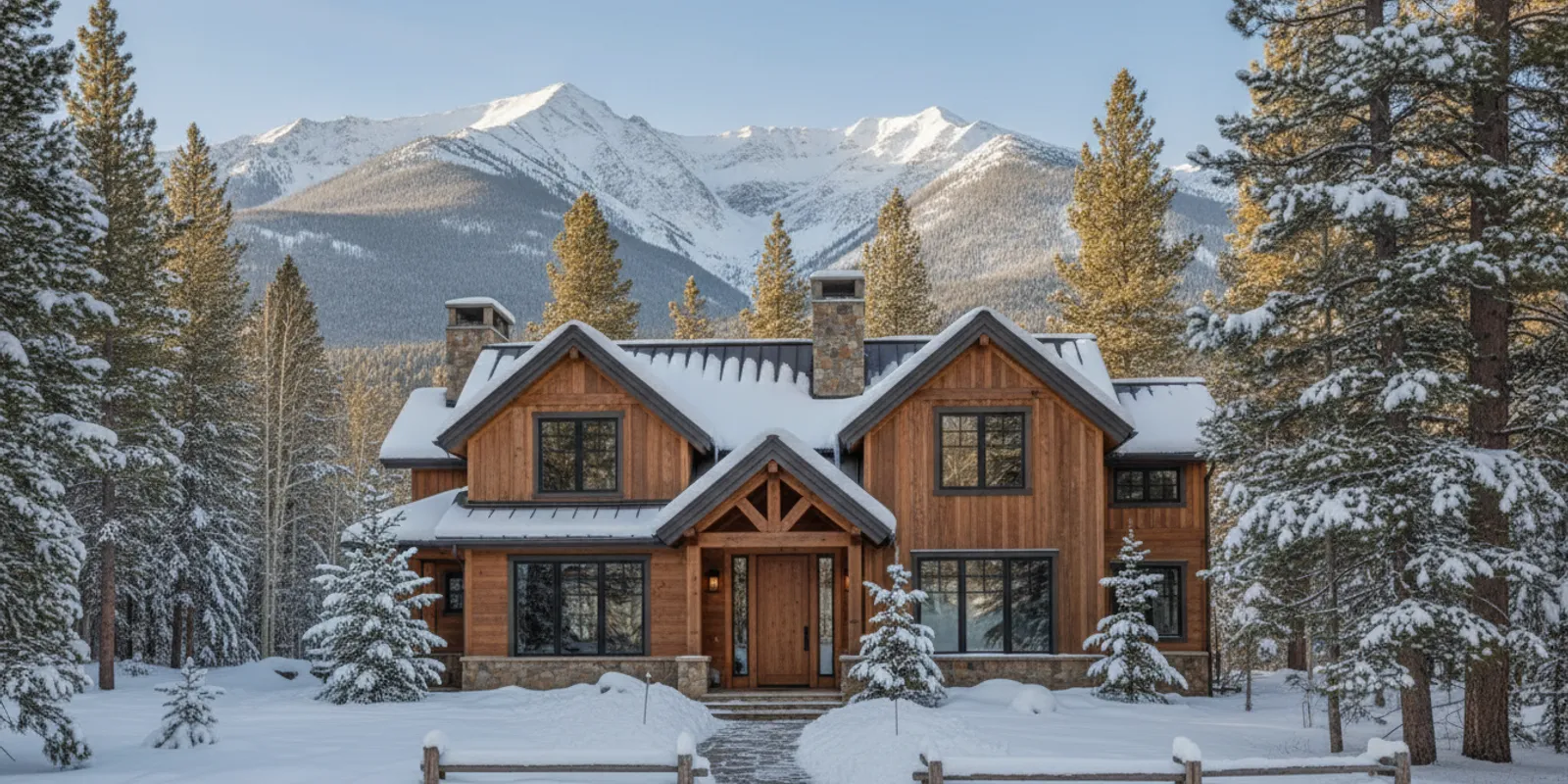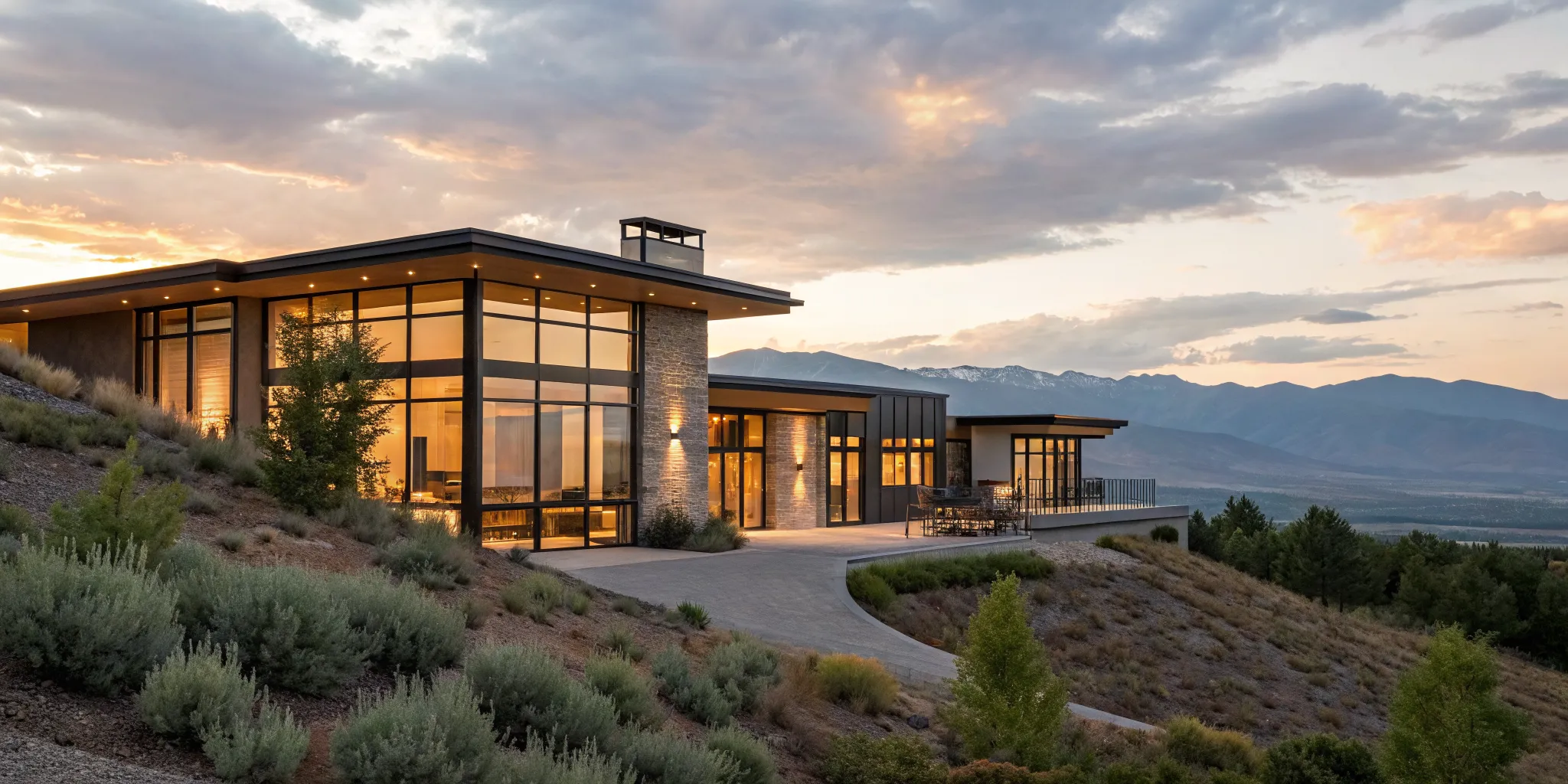
The dream of owning a Park City property often starts with a specific vision: a modern ski-in/ski-out condo, a sprawling estate in Promontory, or a charming home near Old Town. The type of property you choose directly influences your financing options. Lenders have specific requirements for condotels, homes within resort communities, and properties that require jumbo loans. This guide explains how to get a mortgage for a second home in a ski resort by breaking down the loan process based on the property you want to buy. We’ll explore your mortgage options, what to know about appraisals for unique mountain homes, and how to budget for the full cost of ownership, from HOA fees to property taxes.
When you're getting ready to buy a property, lenders look at it in one of three ways: as a primary residence, a second home, or an investment property. This distinction is more than just a label; it shapes the entire mortgage process, from the interest rate you get to the amount of cash you need upfront. Lenders view a second home as a slightly higher risk than your primary home. The thinking is that if financial trouble hits, a vacation home is often the first luxury to go. Because of this, they have a different set of rules for financing that beautiful ski-in/ski-out condo compared to the home you live in year-round. Understanding these differences from the start helps you prepare a stronger application and sets clear expectations for what you'll need to qualify for your dream mountain retreat.
Getting a mortgage for a second home feels similar to the process for your primary residence, but the financial bar is set a bit higher. Lenders want to see that you can comfortably afford both properties without stretching your finances too thin. This means you should be prepared for stricter second home mortgage requirements.
Typically, you'll need to put more money down, often 10% or more, and have a stronger credit score than you might need for a primary home. Interest rates can also be slightly higher. While the application itself follows a familiar path, you'll need to meet these higher financial standards to show the lender you're a reliable borrower for a non-essential property.
This is a critical question, and the answer comes down to your intent. A second home is a property you plan to use for personal enjoyment, like weekend getaways or seasonal vacations. While you might rent it out occasionally, your primary purpose is personal use. A key rule to remember is that you cannot use potential rental income to help you qualify for a second home loan.
If your main goal is to generate income by renting the property out to others, lenders will classify it as an investment property. Acquiring a mortgage for an investment property involves different rules, rates, and down payment requirements, which are usually even stricter than those for a second home.
The good news for anyone dreaming of a Park City escape is that ski resort properties are classic examples of what lenders consider a second home. One of the key second home mortgage requirements is that the property is a reasonable distance from your primary residence and located in a resort or vacation area. A condo in Canyons Village or a cabin in Deer Valley perfectly fits this description.
Lenders want to see a clear distinction between your everyday home and your vacation spot. If the property is too close to your main home and not in an obvious vacation destination, they might question its use as a true second home. But for a ski property in a world-class resort town, this classification is usually straightforward.
Buying a second home in a place like Park City is an exciting goal, but the mortgage process looks a little different than it did for your primary residence. Lenders view a second home as a slightly higher risk. After all, if you were to face financial hardship, you’d likely prioritize payments on your main home over your vacation getaway. Because of this, the requirements to secure a loan are a bit more stringent.
Don't let that discourage you. It just means you need to have your financial ducks in a row. Lenders will look closely at four key areas to determine your eligibility: your credit score, the size of your down payment, your debt-to-income ratio, and your available cash reserves. Understanding what they’re looking for in each of these categories is the first step toward getting approved for your dream mountain home. With the right preparation, the process can be straightforward, and our team is here to show you how it works from start to finish.
Your credit score is one of the most important factors in your mortgage application. For a conventional loan on a second home, you’ll generally need a score of at least 620. However, to get the best terms, you should aim higher. Lenders often prefer a score of 740 or above, as this signals that you have a strong history of managing debt responsibly.
A higher credit score doesn't just improve your chances of approval; it can also help you secure a lower interest rate. Over the life of a loan, especially a jumbo loan common for Park City properties, a better rate can save you a significant amount of money. You can check our current rates to see how different factors can influence your loan's cost.
When it comes to a down payment for a second home, plan on putting down at least 10% of the purchase price. While some primary home loans allow for as little as 3% down, lenders require more for a second home to ensure you have a solid financial stake in the property. In fact, many lenders prefer a 20% down payment, which also helps you avoid paying for private mortgage insurance (PMI).
A larger down payment reduces the loan amount and lowers the lender's risk, making you a more attractive borrower. For high-value homes in the Park City area, this can be a substantial amount, so it's important to factor this into your budget early on when you start buying a second home.
Your debt-to-income (DTI) ratio is a simple but powerful number. It’s the percentage of your gross monthly income that goes toward paying all of your monthly debts, including your current mortgage, car loans, credit card payments, and student loans. When you apply for a second home mortgage, the lender will add the proposed new mortgage payment to your existing debts to calculate your new DTI.
Most lenders want to see a DTI of 45% or lower. A lower DTI shows that you can comfortably manage another mortgage payment without stretching your finances too thin. Before you apply, it’s a great idea to calculate your DTI to see where you stand. This is a common topic, and you can find more answers on our FAQs page.
Beyond your DTI, lenders will want to see proof of stable and sufficient income to cover both mortgage payments. But they also want to see that you have a financial cushion. These are your cash reserves: liquid funds you have available after covering the down payment and closing costs. Lenders typically want to see that you have enough in savings to cover several months of payments for both your primary and second homes.
These reserves can be in checking or savings accounts, and sometimes in retirement accounts like a 401(k). Having healthy cash reserves gives lenders confidence that you can handle unexpected expenses or a temporary dip in income without missing a payment. This is especially important for self-employed borrowers, as it demonstrates strong financial stability.
Once you’re ready to finance your mountain getaway, you’ll find several types of loans available. The right mortgage for you depends on your financial goals, the price of the home, and how long you plan to keep it. Lenders have different requirements for second homes, so understanding your options is the first step toward making a confident decision. Most financing for ski resort properties falls into a few main categories, each with its own structure and benefits. Let's walk through the most common loan types you'll encounter.
A conventional loan is any mortgage not backed by a government agency like the FHA or VA. When you apply for a loan on a second home, you’ll find the requirements are often stricter than for your primary residence. Lenders view a vacation property as a slightly higher risk, so they typically look for a strong credit score and a larger down payment. While the bar is higher, a conventional loan is a very common and straightforward way to finance a ski home, especially if your finances are well-organized and you have solid credit.
If you value predictability, a fixed-rate mortgage is an excellent choice. With this type of loan, your interest rate is locked in for the entire term, meaning your principal and interest payment will never change. This stability makes long-term budgeting simple and protects you from future increases in market interest rates. Whether you choose a 15-year or 30-year term, you’ll always know exactly what to expect. This is a popular option for buyers who see their ski home as a long-term family retreat and want to see consistent rates over time.
An adjustable-rate mortgage, or ARM, typically starts with a lower interest rate than a fixed-rate loan for an initial period, such as five, seven, or ten years. After this introductory phase, the rate adjusts periodically based on market trends, which can cause your monthly payment to increase or decrease. An ARM can be a strategic tool if you plan to sell the property before the fixed-rate period ends or if you're comfortable with the potential for payment changes in exchange for a lower initial rate. It offers flexibility, but it’s important to understand how your payment could change in the future.
In premier ski destinations like Park City, many properties come with a price tag that exceeds the limits for conventional loans. This is where a jumbo loan comes in. These loans are specifically designed to finance high-value homes. Because luxury real estate is our focus, we have a deep understanding of how it works to secure financing for these unique properties. If you have your eye on a premium ski-in/ski-out residence or a sprawling mountain estate, a jumbo loan is the key to making it yours.
Buying a second home in Park City is an exciting goal. While the process has more layers than buying your primary residence, it’s manageable when you break it down into clear steps. From getting your finances in order to finally getting the keys, having a roadmap makes all the difference. Here’s what you can expect as you move from dreaming about a ski home to making it a reality.
Getting pre-approved before you start house hunting is a critical first step. A pre-approval letter from a lender does more than just tell you how much you can afford; it gives you a realistic budget to guide your search for the perfect Park City retreat. In a competitive market, sellers see a pre-approval as a sign that you are a serious, qualified buyer, which can give your offer an edge. To get pre-approved, your lender will perform an initial review of your credit, income, and assets. This step is a foundational part of the loan process and gives you the confidence to shop for your dream home and make a strong offer when you find it.
To ensure a smooth and efficient mortgage application, it’s wise to get your paperwork in order early. Lenders need to build a complete picture of your financial health, so be prepared to provide several key documents. You should gather your most recent income proof, such as pay stubs and W-2s, along with your federal tax returns from the last two years. You will also need to supply bank statements and information about other assets, like investment accounts. Details about your current mortgage and any other debts are also required. Having these documents organized and ready to go helps your lender process your application quickly and avoid unnecessary delays.
An appraisal for a ski resort property is more specialized than one for a primary home. Lenders need to confirm that the property is a true second home located in a recognized vacation area. An appraiser with deep local expertise is essential, as they understand the unique factors that drive value in Park City. Things like ski-in/ski-out access, views of the slopes, and proximity to the lifts or Main Street can significantly affect a home's worth. Working with a lender who is familiar with the local market ensures the appraisal is both accurate and comprehensive, which is a crucial step for securing your loan on a high-value mountain property.
Once you have your pre-approval, you’re in a strong position to make an offer. You’ll work with your real estate agent to negotiate the price and terms with the seller. After your offer is accepted, you enter the final phase of the process. This includes a home inspection to check the property's condition and the lender’s final underwriting review. Your mortgage team will meticulously verify all your financial documents before scheduling the closing. This is the last step where you sign the final paperwork and officially get the keys to your new Park City home. As many happy homeowners have found, having an experienced and communicative team makes this a smooth and exciting conclusion to your journey.
Securing your mortgage and closing on your dream ski home is a huge milestone, but the purchase price is just the first number to consider. To make sure your mountain getaway is a source of joy and not a financial strain, it’s smart to budget for the ongoing costs of ownership. Thinking through these expenses ahead of time will give you a complete picture of your investment and help you enjoy every moment on the slopes.
Property taxes are an unavoidable part of homeownership, and they can be a significant expense, especially in desirable ski towns. Because areas like Park City have high property values, the corresponding taxes will be higher too. You can get a clear idea of what to expect by looking up tax rates on the Summit County Assessor’s website or by asking your real estate agent for the property’s tax history. If you plan on renting out your home to offset costs, remember to set aside funds for income taxes on that rental revenue. It’s always a good idea to discuss these implications with your financial advisor.
Insuring a high-elevation home comes with its own set of considerations. Standard policies might not cover risks specific to mountain living, like damage from heavy snow, ice dams, or even wildfires. You’ll need a policy that provides adequate coverage for your property’s value and its unique environment. When you’re shopping for quotes, be sure to ask about coverage for a second home, as the requirements can differ from a primary residence. Getting the right vacation home insurance is a critical step in protecting your valuable asset from the unexpected.
Many of Park City’s most sought-after properties are located within resort communities or homeowners associations (HOAs). These HOAs offer incredible amenities, from ski-in/ski-out access and private clubhouses to groomed trails and security. In exchange, you’ll pay monthly or annual fees. These fees are not optional, so it’s essential to get a clear statement of dues and find out if any special assessments are planned before you buy. Factor these costs into your monthly budget right alongside your mortgage payment to ensure there are no surprises.
Unless you live nearby, you’ll need a plan for maintaining your property from afar. This is especially true if you plan to rent it out. Hiring a local property manager can provide peace of mind, as they can handle everything from marketing your rental and screening tenants to coordinating snow removal and emergency repairs. Even if you don’t rent, you’ll still need to budget for regular upkeep like landscaping, window washing, and seasonal maintenance. These services are an investment in preserving your home’s condition and value over the long term.
Buying a second home, especially in a beautiful ski town like Park City, is an exciting goal. But it's easy to get tripped up by misinformation. Let's clear up a few common myths about second home mortgages so you can move forward with confidence. Understanding the reality of the process is the first step toward making your dream of a mountain getaway come true.
It’s easy to assume that if you qualified for your first mortgage, the second one will be a breeze. However, getting a mortgage for a second home is a different ballgame. Lenders view a second home as a slightly higher risk. After all, if you were to face financial hardship, you would likely prioritize payments on your primary residence. Because of this, you’ll find that second home mortgage requirements are often stricter. Expect lenders to look for a higher credit score, a larger down payment (typically 10% or more), and significant cash reserves to cover several months of payments for both properties.
Many buyers dream of offsetting costs by renting out their ski condo when they aren't using it. But be careful here. A property financed with a "second home" mortgage must be for your personal use and enjoyment for at least part of the year. If your primary goal is to generate income, lenders will classify the property as an investment, not a second home. Investment properties come with different rules, often requiring a larger down payment and having slightly higher interest rates. It's essential to be upfront about your intentions so we can find the right loan for your specific situation. The way it works is all about matching your goals with the right financial product.
The idea that you'll be stuck with a sky-high interest rate on a second home is another persistent myth. While rates for second homes can be slightly higher than for a primary residence, they aren't always drastically different. A strong financial profile makes a huge impact. If you have an excellent credit score, a low debt-to-income ratio, and a substantial down payment, you can still secure a very competitive rate. Working with a local mortgage expert who has relationships with multiple lenders is key to finding the best options available. You can always explore our current jumbo loan rates to get a better idea of what to expect in the Park City market.
Focusing only on the purchase price and monthly mortgage payment is a common oversight. The costs of owning a second home, particularly in a resort area, extend far beyond the initial sale. You need to budget for property taxes, which can be higher in desirable ski towns. You'll also need robust homeowner's insurance that covers mountain-specific risks. Many Park City properties are part of a homeowners association (HOA), which comes with monthly or annual fees for amenities and upkeep. Don't forget to factor in routine maintenance, utilities, and potential property management fees if you need someone to look after the place while you're away.
When you’re applying for a second home mortgage, especially for a high-value property in a place like Park City, lenders will look at your application with a fine-tooth comb. They see a second home as a slightly higher risk than a primary residence, so your goal is to present yourself as a reliable and financially stable borrower. Taking a few proactive steps before you even apply can make the entire process smoother and significantly increase your odds of getting that "yes." Think of it as setting the stage for success. These aren't complicated maneuvers, just smart financial housekeeping that shows you’re ready for this exciting next step.
One of the most important numbers in your application is your debt-to-income (DTI) ratio. In simple terms, this is the percentage of your gross monthly income that goes toward paying your monthly debts. Lenders want to see that you can comfortably handle your current obligations plus a new mortgage payment. Generally, your total monthly debt payments, including both your primary home and the potential second one, shouldn't exceed 45% of your pre-tax income. By paying down existing balances on credit cards, car loans, or personal loans before you apply, you can lower your DTI and present a much stronger financial profile.
Your credit score is a direct reflection of your history as a borrower, and lenders rely on it heavily. While you can sometimes qualify for a conventional loan with a score around 620, lenders often set a higher bar for second homes. A strong credit history, demonstrated by consistent, on-time payments, is non-negotiable. It tells lenders that you’re responsible and manage your finances well. Before applying, review your credit report for any errors and continue making every single payment on time. This simple habit is one of the most effective ways to maintain a healthy score and secure a competitive interest rate.
When you’re in the market for a mortgage, it’s wise to put a temporary freeze on any other major financial moves. Avoid applying for new credit cards, financing a car, or taking out other loans in the months leading up to your application. Every time you open a new line of credit, it can cause a small, temporary dip in your credit score and increase your DTI ratio. More importantly, it can be a red flag for underwriters, who might see it as a sign of financial instability. Keeping your credit profile consistent shows lenders that you’re a predictable and low-risk borrower.
Lenders want to see that you have enough cash on hand to manage the costs of two homes without stretching yourself too thin. These funds, known as cash reserves, are your financial safety net. You’ll typically need to show you have enough saved to cover anywhere from two to six months of mortgage payments for both your primary residence and your new Park City home. This proves you can handle unexpected expenses or a temporary dip in income without missing a payment. Having a healthy savings account is one of the clearest indicators of financial responsibility.
The mortgage application process requires a lot of paperwork. Getting your financial documents in order before you even find the perfect ski-in/ski-out condo will save you time and stress. Start gathering key items like your last two years of tax returns, recent pay stubs, W-2s, and bank statements. Having everything ready shows your lender that you’re organized, serious, and prepared to move forward. Our team at Utah's Mortgage Pro has a clear process to help you understand exactly what you'll need, making the path to pre-approval as straightforward as possible.
Buying a second home in a place like Park City is exciting, but it’s a unique market with its own set of rules. As a world-class destination for skiing and outdoor adventure, properties here are in high demand. This creates a competitive environment for buyers. Understanding the local landscape before you start your search will give you a significant advantage, helping you move quickly and confidently when you find the right place.
Knowing the specifics of the Park City market, from inventory levels to rental regulations, helps you set realistic expectations and prepare a stronger mortgage application. Lenders view resort towns differently, and being informed about these nuances is the first step toward a smooth process. Let’s walk through what makes the Park City market tick and how it can influence your financing.
It’s no secret that Park City is a desirable place to own property. This popularity leads to high demand and often limited inventory, especially for prime ski-in/ski-out locations. For buyers, this means you need to be ready to act fast. From a lender’s perspective, this competitive environment means they look for highly qualified applicants. While the application process is similar to that for a primary home, you'll likely need to meet higher financial requirements to stand out. This is why getting your finances in order and securing a pre-approval is so important. It shows sellers and lenders that you’re a serious, prepared buyer in a fast-moving market.
Many people buying in a ski town dream of renting out their property to cover costs or generate income. It’s important to be clear about your intentions from the start, as this will determine how your loan is structured. A property is typically considered a second home if you occupy it for part of the year and don’t rent it out frequently. If your primary goal is to generate income through short-term rentals, lenders will classify it as an investment property, which comes with different mortgage rules, rates, and down payment requirements. Be upfront with your mortgage advisor about your rental plans so they can guide you to the right loan product for your goals.
Lenders consider several factors when classifying a property, and local market conditions play a big role. For instance, a lender is unlikely to approve a second home loan for a property that’s just down the street from your primary residence unless it’s in a clear vacation area. Fortunately, Park City’s status as a premier resort destination makes this an easy box to check. A lender will recognize a home in Deer Valley or Canyons Village as a legitimate second home. This is where working with a local mortgage expert becomes invaluable. They understand the specific neighborhoods and can effectively communicate the property’s value and purpose to underwriters, ensuring your loan is classified correctly.
Buying a home in a world-class ski town like Park City is an exciting goal, but the process comes with its own set of rules. The local real estate market is fast-paced and features unique properties, from ski-in/ski-out condos to sprawling mountain estates. This isn't the time to work with a generic lender from a national call center. Partnering with a mortgage expert who lives and breathes the Park City market is one of the smartest moves you can make. They act as your financial guide, helping you find the right loan and ensuring your offer stands out in a competitive crowd. Think of them as your inside connection to securing your dream mountain home.
A Park City expert knows the nuances that out-of-area lenders often miss. They understand the complexities of financing different property types, like condotels or homes within a resort community, which can have specific lending requirements. Because they have established relationships with local appraisers and real estate agents, they can anticipate challenges and keep your loan process moving smoothly. This local knowledge is invaluable when you need to act fast. Our team at Utah's Mortgage Pro has a deep understanding of the Park City market, ensuring our financing solutions are tailored to its unique demands.
Lenders generally see second homes as a slightly higher risk than primary residences, which means the financial bar is higher. You'll likely need a stronger credit score, a larger down payment, and more cash reserves. A local mortgage expert can review your financial picture and give you clear, actionable advice on how to strengthen your application. They know what underwriters look for and can help you position yourself to not only get approved but also to secure the most competitive rates and terms available for your situation.
In a desirable market like Park City, properties can receive multiple offers within days of being listed. Walking in with a solid pre-approval letter is essential; it shows sellers you are a serious and capable buyer. A local expert specializes in this. They can guide you through the pre-approval process efficiently, helping you gather the necessary documents and getting you ready to make a compelling offer the moment you find the right home. This preparation can be the deciding factor that gets your offer accepted over others.
How much cash do I really need to buy a second home in Park City? Beyond the down payment, which is typically at least 10% for a second home, you should also budget for closing costs and cash reserves. Closing costs can be 2% to 5% of the loan amount. Lenders also want to see that you have a financial cushion, so plan on having enough liquid savings to cover several months of mortgage payments for both your primary home and your new Park City property. Having these funds ready shows you are a well-prepared and low-risk borrower.
Can I rent out my ski condo to help with the mortgage? This depends on your primary goal for the property. If you plan to use the home for personal enjoyment and only rent it out occasionally, it can be financed as a second home. However, you cannot use potential rental income to help you qualify for this type of loan. If your main intention is to generate income through rentals, lenders will classify it as an investment property, which has different qualification rules, a higher down payment requirement, and slightly different rates. It's important to be clear about your plans upfront so we can find the right loan for you.
What's more important for approval: a high credit score or a low amount of debt? Both are very important, but they work together to paint a picture of your financial health. A high credit score (ideally 740 or above) shows you have a history of managing credit responsibly. A low debt-to-income (DTI) ratio, generally below 45%, proves you can comfortably afford another mortgage payment. Lenders look at both factors closely. If one area is slightly weaker, having the other be exceptionally strong can help, but the ideal applicant has a great score and a manageable level of debt.
Why is a Park City property appraisal different, and how does it affect my loan? Appraising a home in a resort town like Park City is more specialized. An appraiser needs deep local knowledge to accurately value unique features like ski-in/ski-out access, proximity to the lifts, or specific mountain views. The appraisal confirms the property's value for the lender and also verifies that it qualifies as a second home in a legitimate vacation area. An inaccurate or incomplete appraisal can delay or even stop your loan, which is why working with a lender who has a network of experienced, local appraisers is so important.
I already have a relationship with my bank. Why should I work with a local mortgage expert instead? While your bank is great for everyday finances, securing a jumbo loan for a luxury property in a competitive resort market requires specialized expertise. A local mortgage expert understands the nuances of Park City real estate, from condotel financing to HOA requirements. We have relationships with local appraisers and agents, which helps streamline the process. Unlike a large national bank, we focus on tailoring financing to this specific market, often resulting in a smoother process and more competitive options for your unique situation.