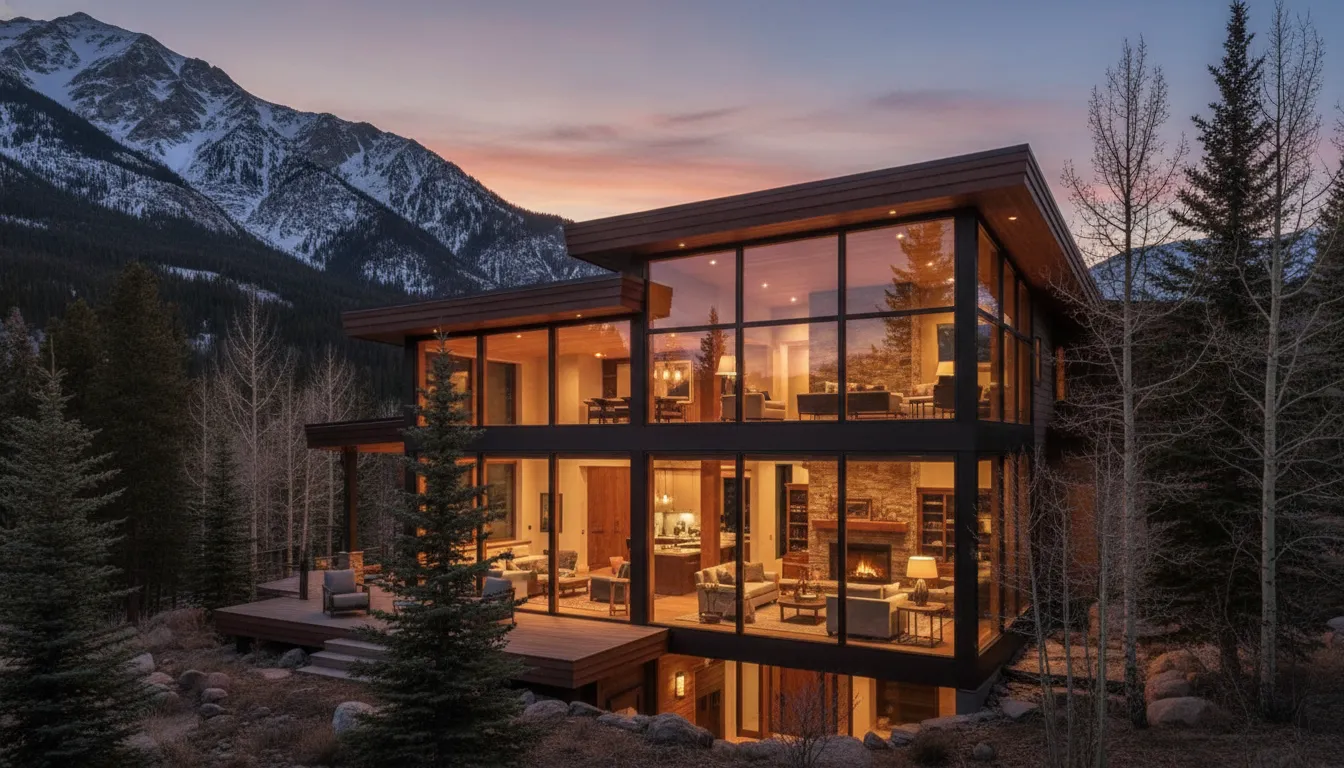
Buying a second home in a mountain resort like Park City needs careful planning for loans, tax rules, and local property care. Borrowers must budget for the full cost of owning, which includes high homeowner dues, property taxes, and special hazard insurance. For high-value homes, getting a jumbo loan often needs larger down payments and many months of cash reserves to meet strict lending rules. Also, the IRS lets you deduct mortgage interest on a second home under specific limits. However, these tax rules change if you rent out the property instead of using it yourself. Smart luxury buyers work with local experts to handle these area details and get the right loan for their goals.
Schedule a private consultation to map out a financing plan that fits your second-home goals.
To make the best investment, you must understand both the unique local lifestyle and the regional mountain market dynamics. To start your property search, let us first explore Why Park City and Summit County Attract Second-Home Buyers. This path begins withMany people dream of buying a second home in a mountain town. Summit County is a top choice for these buyers. The area offers great ski-in/ski-out options and year-round outdoor fun. Walkable streets and high rental demand make the local real estate market strong. But finding the right property takes careful planning. You must look at local market trends and property rules before you make an offer.
Most buyers focus on winter sports and scenic mountain views. Yet, daily needs are just as vital when choosing a spot. High-end buyers want safe neighborhoods and quick trips to local shops. They also look for solid health clubs and medical care close by. Studies show these amenities are key drivers when people choose leisure properties. Living near these services makes your mountain retreat comfortable for long stays. It also helps preserve the long-term resale value of your real estate.
You have many property choices in this resort market. You can choose a private single-family home or a luxury condo. Each choice has different costs and rules. Condos often come with shared perks like pools and snow removal. But they also have high monthly dues. You must check all carrying costs like association fees and special assessments. These extra bills can affect your monthly budget in a big way. Buying a home with higher fees means you must plan your cash flow carefully.
Many buyers like the ease of a condotel. These properties work like a condo but run like a resort hotel. They often sit right next to the ski slopes. But getting a loan for these units can be tricky. Standard home loans do not work for them. You will need a lender who offers specialized condotel financing in Park City. This helps you cover the unique mortgage rules for these resort properties.
Every neighborhood in Summit County has its own style and financial rules. Old Town offers historic charm and walkable streets. Deer Valley is known for elite ski runs and upscale service. If you want private gated luxury, you might look at Promontory. Canyons Village has modern ski-in/ski-out options. Knowing these local areas helps you judge the long-term value of your property. It also helps you find the right fit for your personal lifestyle.
Handling the finance rules for these luxury areas needs expert help. Standard conforming loans often do not cover high-end home prices here. You will need to work with top luxury home mortgage lenders in Park City. A team with deep local market knowledge can guide you through the process. They can help you structure your mortgage to match your wealth goals and local market trends.

Planning for a mountain retreat means looking closely at your loan options. Getting a loan for a second home is not the same as getting one for a main home. Lenders see these luxury loans as higher risk. They set tight guidelines for down payments, debt ratios, and cash reserves. Knowing these local guidelines will help you make a strong offer on your next mountain home.
To get a conventional loan on a vacation property, you must meet strict standards. Fannie Mae guidelines state that the property must be a one-unit home. You must also live in it for some part of the year. The home must be fit for year-round use. You must also have full control over the property. This means the home cannot be a timeshare or a full-time rental. Studies on second-home buying trends show how markets shift, but agency rules stay the same. If you plan to rent out the home, you will face other rules and rates.
Buying a vacation home requires more cash upfront than buying a primary home. Lenders often ask for larger down payments and higher credit scores to lower their risk. You can learn more about these guidelines in this guide to second home down payment requirements. Along with the down payment, you must show you have extra cash reserves after closing. For high-value homes in Summit County, lenders want to see several months of payments in the bank. Guidelines vary by borrower, property, and market conditions. However, having deep reserves is always a key factor in getting a loan.
For luxury homes in Deer Valley, prices often exceed standard conforming loan limits. In these cases, you will need to use jumbo loan programs to finance your purchase. With a jumbo loan, managing your debt-to-income (DTI) ratio is vital. Lenders look closely at your monthly debts compared to your income. This is critical when you balance two mortgages. You can read more about how to finance a second home in Utah to see how DTI affects your options.
Getting a luxury loan often involves complex income structures for self-employed buyers. Standard automated underwriting systems might not handle these situations. Fortunately, other options exist, such as using asset depletion programs. These programs allow qualified buyers with deep assets to use their wealth instead of tax returns. To make sure sellers take you seriously, getting pre-approved early is a key step. Getting a pre-approval strengthens your offer in active resort markets. It shows sellers you are ready to act. As an Equal Housing Lender, CrossCountry Mortgage (NMLS #3029) provides the tools to help you follow these rules. Guidelines vary by borrower, property, and market conditions. For tax planning, the IRS has specific rules for deducting mortgage interest. These tax rules depend on how much you rent out the home.
When buying a second property, you must choose between a second home and an investment property. This choice affects your mortgage, your taxes, and how you use the home. A second home is a property you plan to live in for part of the year. An investment property is bought to generate rental income. Your choice shapes how you will finance a second home in Utah.
Many buyers ask, can I use a second home as an investment property? The answer depends on how much you rent it out. If you rent it out for most of the year, lenders will classify it as an investment. But if you use it yourself and rent it occasionally, it remains a second home.
Lenders look closely at how you plan to use the property. For a second home, you must keep full control of the dwelling. You cannot give up control to a timeshare company or rent it out all year. If your goal is purely to earn rent, you are buying an investment property. In this case, checking projected rental income is a core part of your long-term planning.
Financing rules differ based on how you use the home. Conventional loans allow you to rent out a second home for up to six months a year. But jumbo loan programs often have much tighter rules. Many jumbo programs restrict rental activity to 14 days or fewer each year. Also, government programs like FHA and VA loans cannot buy investment properties at all.
These limits exist because lenders see investment properties as higher risk. If a borrower faces hard times, they tend to pay their primary and second homes first. Because of this risk, investment loans often need larger down payments and higher credit scores. These rules can vary by borrower, property, market conditions, and lender guidelines. Talking with a specialist helps you find the right fit for your goals.
| Factor | Second Home | Investment Property |
|---|---|---|
| Primary intent | Personal use for part of the year | Generate rental income |
| Rental use | Occasional, limited by program rules | Rented for most of the year |
| Occupancy control | Borrower keeps exclusive control | Managed as a rental |
| Typical risk level | Lower | Higher |
| Down payment and credit | Often lower than investment | Often higher |
| Tax treatment | Interest may be deductible | Income and deductions tracked differently |
Use this table as a starting point. Exact terms vary by borrower, property, market conditions, and lender guidelines, so review your situation with a specialist.
Taxes are another area where your choice changes things. Second homes meant for rent have other tax and loan rules than pure vacation homes. Under IRS mortgage interest rules, you may need to split your interest deduction. This split is based on the exact number of personal and rental days.
There are unique options for other property types as well. For example, you can treat a timeshare as a second home for tax breaks. This is true as long as you use the timeshare as a place to live. No matter which path you choose, you should review your plan with a tax advisor. This step ensures you follow federal law while meeting your financial goals.
Buying a second home in a mountain market is an exciting step. A resort property can serve as a personal retreat and a long-term asset. But owning a home in a snowy area requires careful planning. You must look far beyond the initial price of the property. The true cost of ownership includes ongoing fees, heavy winter upkeep, and management choices.
When you look at buying a second home, you must map out all carrying costs. High-end mountain communities often come with steep homeowner association fees. Homeowner groups use these dues to maintain shared spaces, roads, and ski amenities. You should also plan for sudden capital charges and ongoing dues in these luxury areas. These extra fees can cover major repairs like roof work or road paving.
These carrying costs will vary widely by property, community, and season. For instance, luxury condos offer great perks but come with high upkeep fees. If you choose a resort condo, you will need specialized financing help. You can learn more about this by looking into condotel financing in Park City. Make sure to review the budget of the homeowner group before you close on the deal.
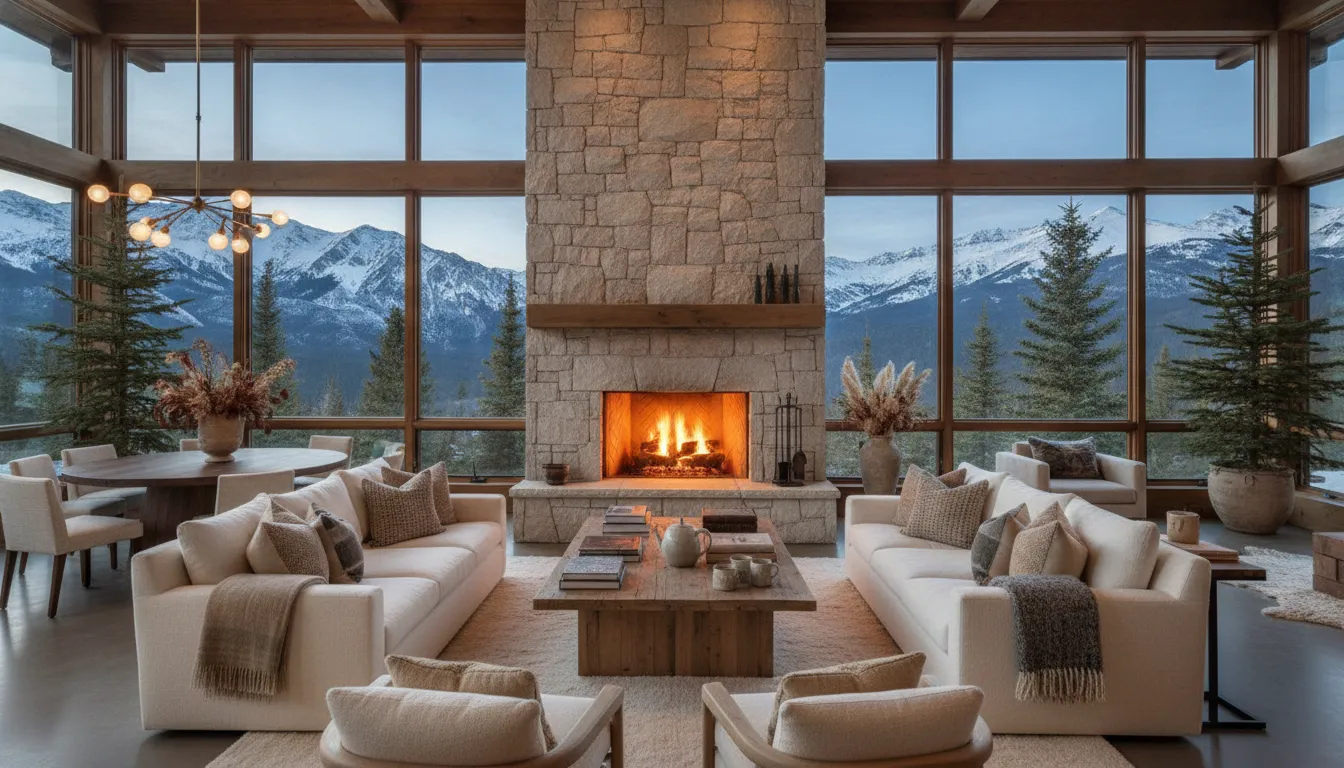
Many buyers look for a mountain retreat that can also serve as a future retirement home. Research shows that 50% of boomers aged 50 to 59 plan to buy a new home for retirement. But snowy winter months in a ski resort town bring tough chores. Freezing temperatures can burst pipes if the home is left empty during the winter. Heavy snow can damage roofs and decks if it is not cleared in time.
You must decide how you want to handle these heavy winter tasks. Many older owners choose to trade hard chores like shoveling snow and cutting grass for care-free homes. If you buy a single-family home, you will need to hire local plow services. These services keep your driveway clear and your roof safe while you are away. Proper winter care keeps your asset safe and helps keep its value high.
Many second-home owners rent out their properties when they are not using them. If you want to rent your home, you must decide how to manage it. You can manage the bookings yourself by using online listing tools. This option saves you management fees but takes a lot of time. You will have to handle guest messages, key handoffs, and urgent repairs from afar.
The other primary path is to hire a professional property manager. A local manager will handle the daily work in exchange for a fee. They set up cleanings and check on the home after big mountain storms. If you want to use rental income to offset your costs, you must do your homework. Looking at projected rental yields is a key part of your planning. Keep in mind that rental income is never guaranteed, and seasonal tourist demand shifts from year to year.
Planning is key when you want to buy a new property. A clear, multi-step process, from initial consultation through property search and financing, is essential for a smooth second-home acquisition. Doing things in the right order ensures that you protect your wealth while finding a home you love. Following a set path also helps you work with experts who understand the local luxury market.
The choice to buy a second home often involves balancing current cash-flow needs with long-term real estate appreciation goals. Many high-net-worth borrowers choose a jumbo mortgage to keep cash on hand, allowing them to put their money into other investments. When you plan to finance a second home in Utah, keeping your cash free for other uses can be a smart move. This strategy helps you grow your net worth over time without tying up too much capital in a single property.
Tax rules are also an important factor in your plan. Under current rules from the IRS, mortgage interest on a second home is generally deductible, subject to specific limits on total home mortgage debt. You should speak with a tax expert to see how this rule applies to your situation before you buy. Understanding these limits early helps you set a realistic budget for your next purchase.
Securing a pre-approval early is a foundational step in the luxury home buying process, as it provides credibility to your offers in competitive markets. Once you find the right property, proactive communication and efficient processes are critical for timely closings in competitive resort markets. You can schedule a consultation to discuss your plans and build a financing path that fits your needs. A local team can guide you through every choice and keep your loan on track from start to finish.
Schedule a free consultation to review your buying a second home plan with a local specialist.
Financing a second home often needs a larger down payment and a higher credit score than a primary residence. Lenders also look for extra cash reserves to cover both of your mortgages. Exact terms and down payment amounts will vary by borrower, property, market conditions, and lender guidelines.
Yes, you can often deduct the mortgage interest on a second home. According to IRS guidelines, you can deduct this interest on up to two homes if you meet specific occupancy rules. Tax benefits vary based on how much you use or rent the home. You should speak with a tax professional to review your personal situation.
You can rent out a second home, but lenders and tax agencies treat second homes and investment properties differently. To qualify for second-home financing, you must keep exclusive control of the property and not use it as a full-time rental. Loan terms, rates, and guidelines vary depending on how you plan to use the home.
Beyond the mortgage, you must pay for property taxes, home insurance, utilities, and maintenance. In mountain resort areas like Park City, you may also have high homeowner association fees and property management costs. These carrying costs vary by property, market conditions, and home type, so you should budget for them early.
Waiting to buy a second home can mean missing out on prime local listings and facing higher market costs later as demand grows.
Starting your home search planning today lets you secure a smart loan setup before the next busy mountain season begins.
Working early with a skilled local lender helps you check your reserve needs and complex condo rules before you make an offer.
Ready to get started? Schedule a free consultation with Rodrigo Ballon at CrossCountry Mortgage (NMLS #3029) today to discuss your financial goals.
Equal Housing Opportunity. All loans are subject to underwriting approval. Programs, rates, and terms vary by borrower, property, and lender guidelines. CrossCountry Mortgage NMLS #3029.