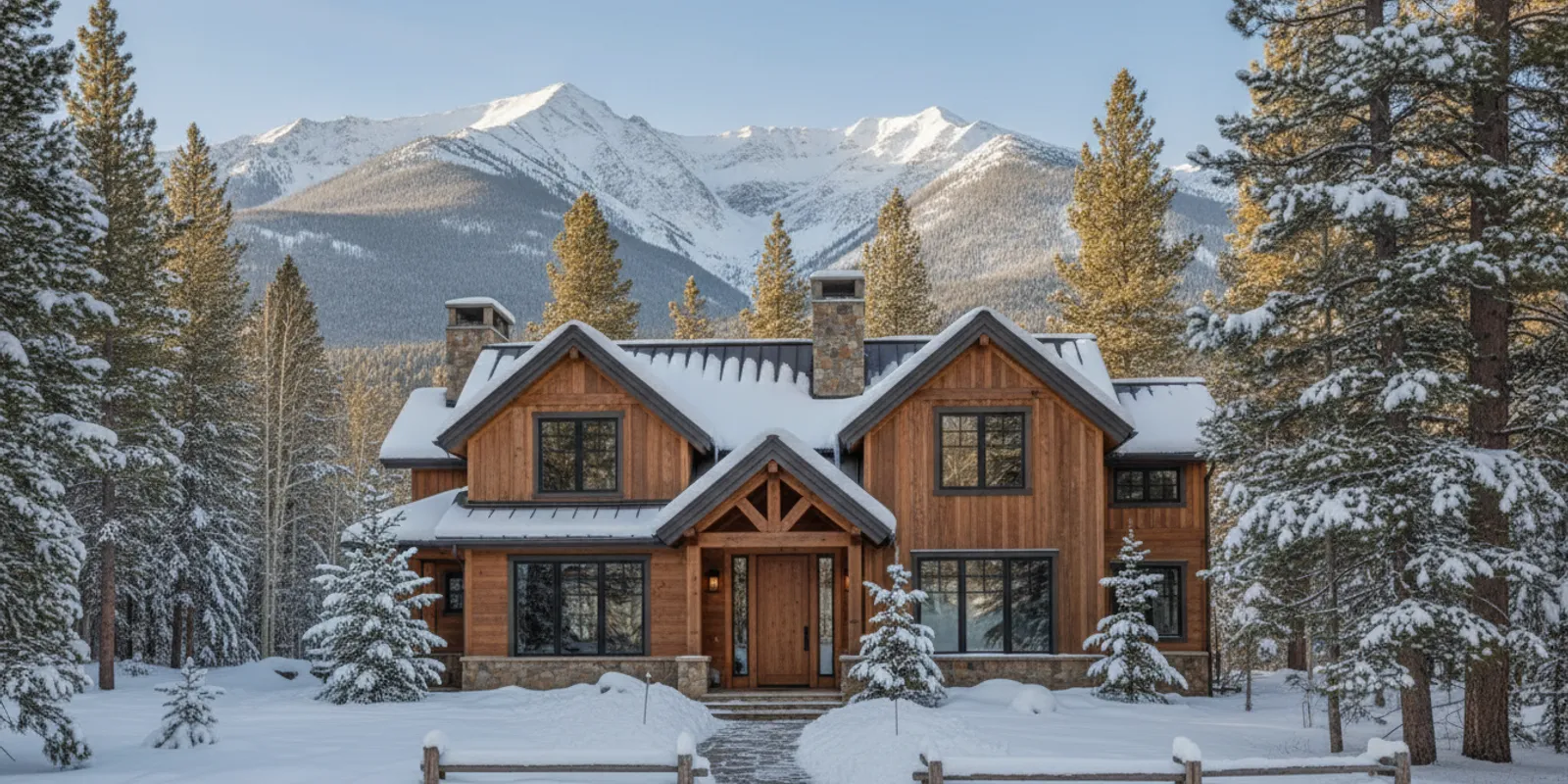


The Deer Valley real estate market is unlike any other. With its world-class ski resorts and stunning luxury homes, standard, one-size-fits-all financing often doesn’t make sense. Property values here frequently exceed the limits for conventional loans, making jumbo financing a necessity. This is where a specialized approach becomes critical. An adjustable-rate jumbo mortgage in Deer Valley is a tailored solution designed for this unique environment. It offers flexibility that can align perfectly with the goals of a second-home buyer or real estate investor. Instead of fitting your plans into a rigid loan, you can find a loan that fits your plans.
A jumbo adjustable-rate mortgage, or Jumbo ARM, is a home loan designed for buying high-value properties that exceed the conforming loan limits set by government-sponsored entities like Fannie Mae and Freddie Mac. This makes them a popular financing tool for luxury homes in exclusive areas like Deer Valley. Unlike a fixed-rate mortgage where the interest rate stays the same, an ARM has an interest rate that can change over time. This structure offers unique advantages, especially for buyers in a dynamic, high-end real estate market. Let's break down exactly how these loans work and what they could mean for your home purchase.
An adjustable-rate mortgage begins with an initial period where your interest rate is fixed and won't change. Once this introductory period ends, the rate adjusts periodically, typically once a year, based on movements in a specific financial index. This means your monthly payment could go up or down. However, you aren't left without protection. ARMs have built-in limits, often called rate caps, that control how much your interest rate can increase at each adjustment and over the entire life of the loan. These caps provide a ceiling, giving you a clear understanding of the worst-case scenario for your future payments.
Most Jumbo ARMs today use a hybrid structure, giving you a predictable start to your loan. You’ll often see them described with two numbers, like a 5/1, 7/1, or 10/1 ARM. In a 7/1 ARM, for instance, your interest rate is locked in for the first seven years. After that initial term, the rate will adjust once every year. This initial fixed-rate period provides stability and makes it easy to budget for your first several years of homeownership. Our team can help you understand how it works and find a loan structure that aligns perfectly with your long-term financial plans.
When choosing a jumbo loan, your primary decision is between an adjustable-rate and a fixed-rate mortgage. The main appeal of an ARM is that it usually comes with a lower initial interest rate and smaller monthly payments than a fixed-rate loan. This can free up significant cash flow in the early years of owning your home. In contrast, a fixed-rate jumbo loan locks in one interest rate for the entire loan term, providing absolute predictability in your monthly payments. The best option depends entirely on your financial strategy, how long you plan to stay in the home, and your comfort level with future rate adjustments. You can always compare current rates to see how these options stack up.
When you’re shopping for a luxury property in a place as stunning as Deer Valley, the financing you choose is just as important as the home itself. An Adjustable-Rate Mortgage (ARM) jumbo loan can be a powerful tool, but it’s often misunderstood. Let’s clear things up and look at why this option might be the perfect fit for your mountain home purchase. An ARM offers a unique structure that can provide significant financial flexibility, especially in a high-value market where cash flow and investment opportunities are top of mind. It's not just about getting a loan; it's about finding a financial strategy that complements your lifestyle and long-term goals.
Understanding how these loans work is the first step toward making a confident decision. The process involves an initial fixed-rate period, where your payment is predictable, followed by periods where the rate can adjust based on market trends. This is all done within a framework designed to protect you from drastic swings. With the right guidance, you can see how an ARM could align perfectly with your financial goals and your plans for enjoying life in Deer Valley. Our team is here to walk you through the entire process, ensuring you have clarity and support from pre-approval all the way to closing. We believe in making complex financing simple and transparent.
In a premier location like Deer Valley, property values often surpass the standard lending limits set for conventional mortgages. When a loan amount is higher than what these "conforming loans" allow, you enter the world of jumbo loans. These are specialized home loans designed specifically for buying higher-priced homes. For many buyers in the area, a jumbo loan isn't just an option; it's a necessity to secure the kind of property they’re looking for.
This is where understanding your financing choices becomes critical. Because the loan amounts are larger, even small differences in interest rates can have a big impact on your monthly payments and overall financial picture. The unique dynamics of the Deer Valley market make it essential to explore flexible financing solutions that can adapt to your specific needs.
For many buyers in the Deer Valley luxury market, an ARM offers a distinct strategic edge. An adjustable-rate mortgage can be a smart choice if you want a lower interest rate for the first few years of your loan. This lower initial rate translates directly into smaller monthly payments, freeing up capital that you can use for other investments, home furnishings, or simply enjoying the Park City lifestyle.
This feature is especially appealing if you don't plan on keeping the property for the entire 30-year loan term, which is common for second homes or investment properties. Furthermore, ARMs aren't as unpredictable as they might sound. They come with built-in limits, or "caps," on how much your rate can increase over the life of the loan, giving you a clear picture of the potential payment changes down the road.
An adjustable-rate mortgage can be a powerful tool for financing a luxury property in Deer Valley, but it’s important to weigh the benefits against the potential risks. Unlike a fixed-rate loan, a jumbo ARM comes with a variable component that requires careful consideration. Understanding both sides of the coin will help you decide if this is the right strategic move for your financial goals. Let's break down what you need to know.
One of the most attractive features of a jumbo ARM is the lower interest rate and monthly payment during the initial fixed period. Adjustable-rate mortgages almost always give you a lower interest rate out of the gate than fixed-rate loans. For a high-value property in Deer Valley, this can mean significant savings in the first few years of your loan. This initial period of lower payments can free up your cash flow, allowing you to direct funds toward other investments, home renovations, or simply enjoy more financial flexibility as you settle into your new mountain home. It's a strategic way to manage your assets while securing competitive rates on your mortgage.
If you don’t plan on staying in your Deer Valley home for the entire 30-year loan term, a jumbo ARM can be a very smart choice. An ARM can be a great option if you want a lower interest rate for the first few years of your home loan, which aligns perfectly if you see the property as a 5- or 10-year investment. Perhaps you plan to sell after a certain period, or you anticipate a significant increase in income that will make refinancing or handling a higher payment more manageable down the road. This structure provides tailored financing solutions that match your personal and financial timeline, rather than locking you into a single rate for three decades.
The idea of a rate that can change might sound unsettling, but ARMs are not the wild west of lending. They come with built-in protections called rate caps. These caps limit how much your interest rate can increase, providing a ceiling for your potential payments. ARMs include limits on how much your rate can increase at the first adjustment, at each following adjustment, and over the entire life of the loan. These safeguards create predictability within a flexible loan structure, ensuring your payment won’t spiral out of control. Understanding these caps is one of the most common questions we address, as they are key to managing an ARM with confidence.
The primary trade-off for the lower initial rate is the risk of future payment increases. Once the introductory fixed-rate period ends, your mortgage rate will adjust based on market conditions, which can either increase or decrease your monthly payment. If interest rates rise, so will your mortgage payment. This is the fundamental risk you accept with an ARM. However, this risk doesn't have to be a dealbreaker. With careful planning and a clear understanding of your rate caps, you can budget for potential changes. This is where having an expert guide you through the loan process becomes invaluable, as they can help you model future scenarios and create a long-term financial strategy.
Securing a jumbo ARM for a property in a premier location like Deer Valley means lenders will take a close look at your financial picture. While the standards are high, they are straightforward and entirely manageable with the right preparation. Think of it as a checklist to get your finances in order before you start shopping for your dream ski-in/ski-out condo or luxury mountain home. Lenders will focus on four key areas: your credit history, your income and existing debts, the amount you can put down, and your overall cash reserves.
The process might seem demanding, but it’s designed to ensure the loan is a good fit for you and a sound investment for the lender. Having a strong application package from the start can make all the difference, especially in a competitive market. Working with a mortgage professional who understands the nuances of the Deer Valley area can help you present your finances in the best possible light. They know what local lenders are looking for and can guide you through each step, making the path to qualification feel clear and confident. The goal is to get you pre-approved so you can make a strong offer as soon as you find the perfect property.
Your credit score is one of the first things a lender will look at. It’s a quick snapshot of your history with borrowing and repaying money. For a jumbo ARM, lenders typically want to see a strong credit score, often 740 or higher. This signals that you have a reliable track record of managing your financial obligations. While some lenders may consider scores a bit lower, a higher score will always give you more options and potentially better terms. Before you apply, it’s a great idea to review your credit report to check for any errors and ensure your history is accurate. Consistently paying your bills on time and keeping credit card balances low are the best ways to maintain a healthy score.
Lenders need to see that you have a stable income sufficient to handle the new mortgage payment comfortably. They measure this using your debt-to-income (DTI) ratio, which compares your total monthly debt payments to your gross monthly income. For a jumbo ARM, most lenders prefer a DTI ratio below 45 percent. This means all your monthly debts, including your new estimated mortgage payment, student loans, car payments, and credit card bills, should not exceed 45 percent of your income. In some cases, a lender might approve a DTI up to 50 percent if you have other strong compensating factors, like a very high credit score or significant cash reserves.
The down payment for a jumbo loan can vary quite a bit depending on the loan amount and property type. While some programs allow for lower down payments on primary residences, a larger down payment is often standard for luxury properties in Deer Valley. For loans approaching several million dollars, expect to put down around 20 to 30 percent. A substantial down payment does more than just secure the loan; it demonstrates your financial strength, reduces the lender's risk, and can make your offer more attractive to sellers in a competitive market. It also gives you instant equity in your new home, which is always a great financial starting point.
If you’re self-employed or have non-traditional income sources, you can absolutely qualify for a jumbo ARM. The key is thorough documentation. Lenders will want to see a clear and consistent income history, which can be more complex to show than with a traditional W-2. Be prepared to provide at least two years of tax returns, both personal and business, along with profit and loss statements. Keeping your financial records organized is essential. Working with a mortgage advisor who has experience with self-employed borrowers can be incredibly helpful. They know exactly what underwriters are looking for and can help you package your application for a smooth and successful approval process.
Choosing the right mortgage isn't just about the numbers; it's about how the loan fits your lifestyle and financial goals. A jumbo ARM can be a powerful tool, but its advantages really shine when matched with the right type of property. Whether you’re dreaming of a personal ski retreat or a strategic real estate investment in Deer Valley, the structure of your loan can make all the difference. Let's look at how a jumbo ARM works for two common scenarios in our local market.
If you’re buying a second home or a ski-in/ski-out condo, your primary goal is likely enjoyment, not necessarily a 30-year commitment. This is where a jumbo ARM can be a perfect fit. These loans typically offer a lower interest rate for the first several years compared to a fixed-rate mortgage. That initial period of lower payments means more cash in your pocket, giving you greater financial flexibility for everything from furnishing your new getaway to funding other life adventures.
Many second-home buyers in Deer Valley don't plan on holding the property for decades. If you see yourself selling or refinancing within the 5, 7, or 10-year fixed period of your ARM, you can take advantage of the low introductory rate without ever worrying about future adjustments. It’s a strategic way to keep your monthly carrying costs down while you enjoy your mountain home.
For real estate investors, cash flow is the name of the game. When you’re buying a rental condo in a prime location like Deer Valley, a jumbo ARM can give you impressive savings initially, which directly impacts your bottom line. A lower monthly mortgage payment during the first few years of the loan means a healthier cash flow from day one. This extra income can be used to build a maintenance fund, cover potential vacancies, or even save for your next investment property.
Of course, the rate will eventually adjust based on market conditions. However, savvy investors often plan their exit strategy around the ARM’s fixed-rate period. If your plan is to hold the property for a few years to capitalize on appreciation and then sell, an ARM allows you to maximize your returns during that time. It’s a calculated approach that aligns your financing with your investment timeline.
Finding the right lender for your jumbo ARM is just as important as finding the right property in Deer Valley. The terms of your loan can vary significantly from one lender to another, so it’s essential to know what to look for. A great lender will be transparent about their terms and help you understand every detail. Let's walk through the key factors to compare so you can feel confident in your choice.
An adjustable-rate mortgage starts with a fixed interest rate for an initial period, followed by periodic rate adjustments. This initial period is a key detail to focus on. How long will your rate be fixed, five, seven, or ten years? This timeline should align with your plans for the property. After the fixed period ends, your rate will adjust based on market conditions, usually every six or twelve months. Understanding this schedule is the first step in comparing different ARM options and finding one that fits your financial strategy.
After the initial fixed period, your new rate is determined by three things: the index, the margin, and the caps. The index is a benchmark rate that reflects general market interest rates. The margin is a fixed percentage the lender adds to the index. Your lender should be upfront about both. Most importantly, look for rate caps. These limits protect you by controlling how much your rate can increase at the first adjustment, at each following adjustment, and over the entire life of the loan. For example, a 2/1/5 cap structure means your rate can’t jump more than 2% initially, 1% subsequently, or 5% total.
Jumbo loans are considered "non-conforming" because they exceed standard loan limits, which means lenders set their own rules. When you're comparing lenders, ask about their specific loan limits, closing costs, and any origination fees. It's also smart to inquire about prepayment rules. Some loans have penalties if you pay off the mortgage early, which could affect you if you plan to sell or refinance within a few years. A transparent lender will lay out all these details clearly, ensuring there are no surprises. Our loan process is designed to give you clarity from pre-approval to closing.
Adjustable-rate mortgages have a reputation that often precedes them, but many of the common beliefs are rooted in outdated information. When you’re financing a luxury property in Deer Valley, it’s important to separate fact from fiction. Let’s clear up a few of the most persistent myths about jumbo ARMs.
The idea that ARMs are a reckless gamble is one of the biggest misconceptions in the mortgage world. While they do involve a variable component, modern ARMs are structured with consumer protections that make them a calculated financial tool, not a blind risk. Today’s loans are not inherently riskier than other products; in fact, the lower initial payments can make them a smart choice for qualified buyers. For a jumbo loan on a Deer Valley property, this initial savings can free up significant cash flow for investments, renovations, or other expenses. The key is understanding the terms and having a clear financial plan, not avoiding the product altogether.
It’s easy to assume the "adjustable" in ARM is just a code word for "increasing," but that’s not how it works. Your interest rate is tied to a specific financial index, which moves with the market. This means your rate can adjust both up and down over the life of the loan. If the index falls, your payment could decrease. Plus, every ARM comes with rate caps that limit how much your interest rate can change at each adjustment period and over the entire loan term. These caps create a predictable ceiling, protecting you from worst-case scenarios and ensuring your payments never spiral out of control.
Thinking all ARMs are created equal is a common mistake, especially when it comes to jumbo loans. A jumbo ARM is a specialized product designed for high-value properties, and it comes with its own set of rules. Lenders often have stricter credit score requirements and may ask for a larger down payment compared to a conventional ARM. The terms, from the initial fixed period to the margin and caps, can also vary widely from one lender to another. This is why it’s so important to work with a mortgage professional who has deep expertise in the local luxury market and can help you compare the fine print.
An adjustable-rate mortgage is a powerful financial tool, but it’s not a “set it and forget it” loan. The key to making a jumbo ARM work for you is staying engaged and having a plan. While the initial low payments are a fantastic benefit, a little proactive management will ensure you feel confident and in control throughout the life of your loan. Think of it as a partnership; by understanding its moving parts, you can make sure your mortgage continues to align with your financial goals, whether you plan to stay in your Deer Valley home for a few years or for the long haul. With a smart approach, you can handle market changes and keep your home financing on the right track.
One of the most important things you can do as an ARM holder is to stay informed. As one study notes, it's essential for anyone with an adjustable-rate mortgage to be educated on the inner workings of the loan. This doesn’t mean you need to become a financial analyst, but you should keep a general eye on interest rate trends. Pay attention to announcements from the Federal Reserve and read high-level economic news. This will give you a sense of which way rates are heading. Knowing the market climate helps you anticipate whether your rate is likely to rise, fall, or stay the same when your adjustment period arrives, so you can plan accordingly.
The best time to prepare for a payment change is right after you close on your loan. While you’re enjoying the lower initial payments, it’s wise to budget for a potential increase. Your loan documents will specify your interest rate caps, which limit how much your rate can increase at each adjustment and over the lifetime of the loan. A great strategy is to calculate what your monthly payment would be if your rate hit its first adjustment cap. Can you still comfortably afford it? By stress-testing your budget against this higher potential payment, you can avoid any surprises and ensure your family’s finances remain secure long after the fixed-rate period ends.
Many homeowners choose a jumbo ARM with a plan to refinance before the first rate adjustment. This can be a brilliant strategy, especially if you want to lock in a predictable fixed rate for the remaining years of your loan. Your refinancing strategy should be based on both market conditions and your personal timeline. If rates have fallen since you took out your loan, or if your financial standing has improved, refinancing could secure a lower payment for the long term. We can help you explore your options and get pre-approved, which allows you to move quickly when the time is right. Starting the conversation early is key to a smooth and successful refinance.
Choosing the right mortgage for your Deer Valley home is a big decision, but it doesn’t have to be a complicated one. By now, you can see how a jumbo ARM can be a strategic financial tool, offering lower initial payments and flexibility that aligns with the goals of many luxury homeowners. Whether you’re buying a ski-in/ski-out second home or an investment property with stunning views, the right loan structure can make all the difference. But a loan is only as good as the expert guiding you through it.
This is where working with a local mortgage professional becomes so important. The Deer Valley market has its own rhythm, from the seasonality of rental income to the specific requirements for financing unique mountain properties. A lender who understands these nuances can help you find a loan that truly fits your financial picture, not just a generic, one-size-fits-all solution. They can help you analyze different ARM structures, understand the long-term implications of rate caps, and feel confident in your choice.
At Utah's Mortgage Pro, my team and I specialize in exactly that. We live and breathe the Park City and Deer Valley real estate markets, and we’re dedicated to making the financing process clear and seamless. We’ll walk you through our process step-by-step, from comparing initial rates and adjustment schedules to ensuring you have everything you need for a smooth closing. Your dream home in Deer Valley is within reach, and finding the right financing is the key. Let's build a strategy that works for you.
How much can my monthly payment actually go up after the fixed period ends? This is the most important question to ask, and the answer is not a mystery. Your loan comes with built-in protections called rate caps. These caps set a clear limit on how much your interest rate can rise during the first adjustment, for any following adjustments, and over the entire life of the loan. We can walk you through a worst-case scenario calculation based on these caps, so you know the absolute maximum your payment could be and can budget with confidence.
What happens if I decide to sell my Deer Valley home before the rate starts adjusting? This is a common and smart strategy. If you sell your home during the initial fixed-rate period, you simply pay off the remaining loan balance with the proceeds from the sale. You will have benefited from the lower interest rate for the entire time you owned the property without ever facing a rate adjustment. Just be sure to confirm your loan does not have a prepayment penalty, which is something we always help our clients verify.
Is a 10/1 ARM always better than a 7/1 ARM since the fixed period is longer? Not necessarily. The best choice depends entirely on your personal timeline. A loan with a longer fixed period, like a 10/1 ARM, typically has a slightly higher initial interest rate than one with a shorter period, like a 7/1 ARM. If you are confident you will sell or refinance within seven years, the 7/1 ARM might save you more money. If your plans are less certain, the stability of a 10-year fixed period might be worth the slightly higher rate.
I'm self-employed. Will that make it harder to get approved for a jumbo ARM? It doesn't make it harder, but it does mean the documentation process is different. Instead of W-2s, lenders will want to see a stable income history through documents like two years of tax returns and your business's profit and loss statements. The key is to be organized. Working with a mortgage professional who has experience with self-employed borrowers is a huge advantage, as we know exactly how to present your financial story for a smooth approval.
When is the right time to think about refinancing out of my ARM? A great time to start exploring a refinance is about a year before your first rate adjustment is scheduled. This gives you plenty of time to watch the market and lock in a new loan. You might also consider refinancing sooner if market interest rates drop significantly or if your own financial situation improves, for instance, if your credit score increases. Think of it as a strategic check-in to ensure your mortgage still aligns with your long-term goals.