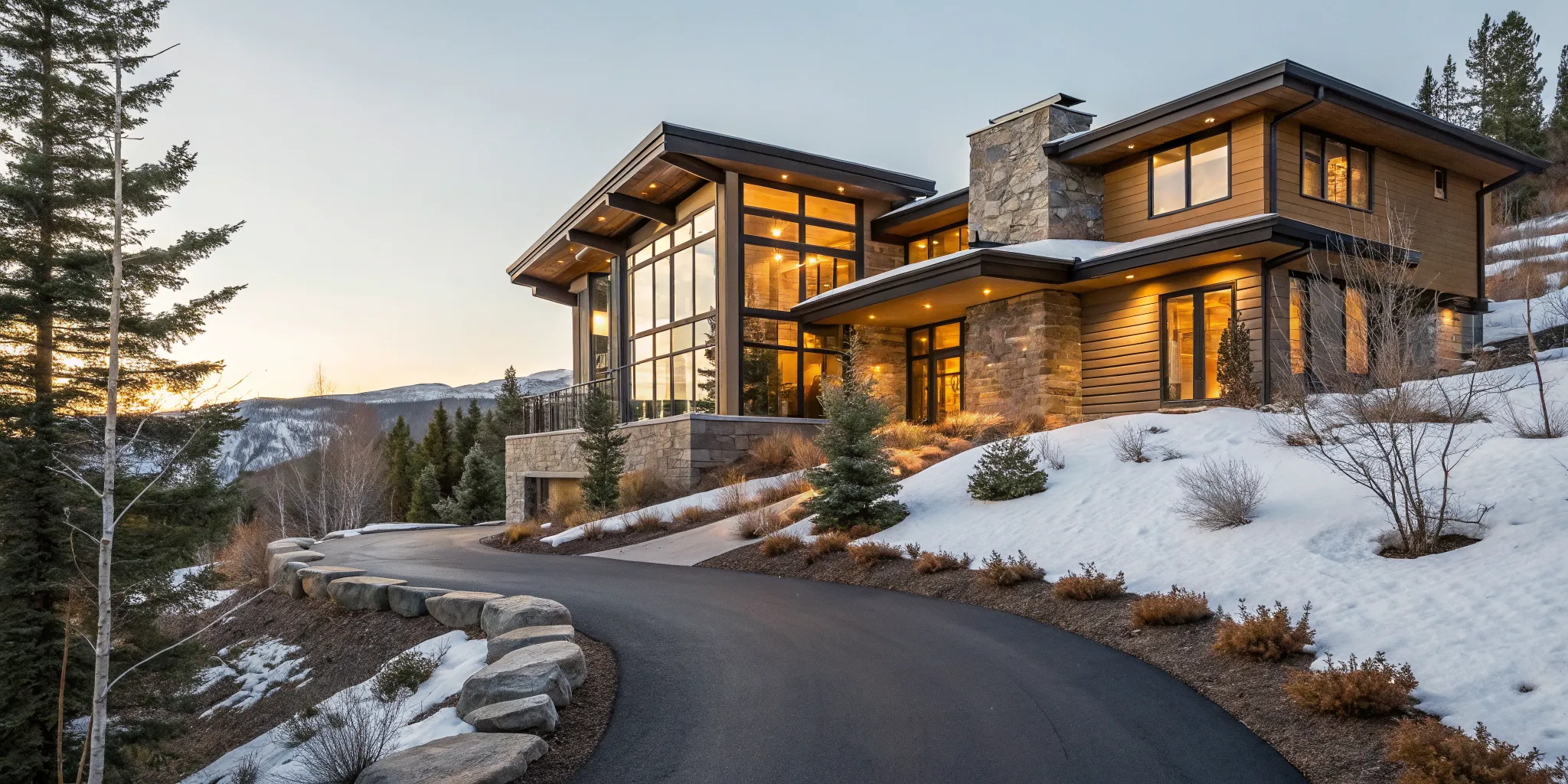
In a specialized market like Park City, your choice of lender is just as important as your choice of property. A national bank might not grasp the intricacies of a ski-in/ski-out condo appraisal or the rules for a condotel. This lack of local knowledge can lead to delays or even denials. A local expert who specializes in the area understands these complexities inside and out. They can anticipate challenges and offer flexible solutions that others can’t. This article provides an insider’s perspective on financing for a second home in Canyons Village, showing you why local expertise is your greatest advantage in securing the perfect loan.
Canyons Village at Park City Mountain offers a compelling mix of world-class recreation and investment potential. If you're considering a second home here, you're likely drawn by the incredible lifestyle, but it's also a major financial move. Let's look at what makes this area so special and what you should know about its real estate market before you start the financing process.
Imagine waking up, stepping out your door, and clicking into your skis just moments from the lift. This is the reality of ski-in/ski-out living in Canyons Village. The appeal goes far beyond convenience; it’s about immersing yourself in a lifestyle of luxury and adventure. While Park City is famous for its winter wonderland, the vibrant community and stunning natural beauty shine year-round with mountain biking, hiking, and outdoor concerts. A second home here isn't just a place to stay, it's a basecamp for creating memories. Whether you're looking for family getaways or a personal retreat, the unique blend of resort amenities and serene mountain landscapes makes Canyons Village an irresistible destination.
Purchasing a property in Canyons Village is more than a lifestyle choice; it's a significant financial asset. The financing you choose is a critical decision that shapes your investment's future. The real estate market here is unique and often moves with the seasons, with winter being a peak time for ski properties. Because of this, property values in desirable locations like Canyons Village have shown resilience, making it an attractive place to invest. Understanding these local trends is key. Working with a local financing expert who knows the Park City market inside and out ensures you can make informed decisions. Our process is designed to give you clarity and confidence as you secure a loan for your mountain home.
When you’re ready to buy a second home in Canyons Village, you’ll find that the financing landscape looks a bit different than it did for your primary residence. Lenders view second homes as a slightly higher risk, so the options and requirements are more specific. But don’t let that intimidate you. Understanding your choices is the first step toward making a smart investment in your mountain getaway.
The right loan for you will depend on the property’s price tag, your personal financial picture, and how you plan to use the home. Since many properties in Canyons Village are in the luxury tier, you’ll likely be looking at financing designed for higher-value real estate. From stable conventional loans to flexible jumbo loans and leveraging your existing home’s equity, there’s a path that fits your goals. We can help you explore the process and find the perfect match for your dream ski-in/ski-out condo or mountain retreat.
Conventional loans are a popular starting point for many second-home buyers. These are the standard mortgages you’re likely familiar with, and they aren’t insured by a government agency. They often come with stable terms and predictable payments, which makes financial planning straightforward. For a second home, you can generally expect to need a strong credit score and a larger down payment than you had for your primary home.
The main thing to know about conventional loans is that they have "conforming" loan limits set by federal regulators. In a high-value market like Canyons Village, the property you have your eye on might exceed these limits, meaning a conventional loan won't cover the full amount.
If your Canyons Village dream home comes with a price tag that exceeds conventional loan limits, a jumbo loan is your best friend. These loans are specifically designed to finance luxury properties. Because the loan amount is larger, lenders have stricter qualification criteria. You’ll typically need a higher credit score, a lower debt-to-income ratio, and be prepared to make a substantial down payment, often 20% or more.
While the requirements are more rigorous, a jumbo loan gives you the purchasing power you need in an exclusive market. Getting expert guidance through the jumbo loan process is key, as it allows you to secure financing for that perfect slopeside residence that a conventional loan simply can’t cover.
Did you know the equity in your primary residence can help you buy your second home? If you’ve built up significant equity, you can tap into it with either a home equity loan or a Home Equity Line of Credit (HELOC). A home equity loan gives you a lump-sum payment with a fixed interest rate, which is great if you need a specific amount for your down payment.
A HELOC, on the other hand, works more like a credit card. It gives you a revolving line of credit you can draw from as needed, usually with a variable interest rate. This can be a strategic way to access funds for your Canyons Village purchase without liquidating other investments.
When choosing a mortgage, you’ll need to decide between a fixed-rate and an adjustable-rate mortgage (ARM). A fixed-rate mortgage locks in your interest rate for the entire life of the loan, giving you a predictable and stable monthly payment. This is a safe, reliable option if you plan to keep your Canyons Village home for many years.
An ARM typically offers a lower introductory interest rate for a set period (say, five or seven years), after which the rate can change. An ARM could be a smart choice if you plan to sell the property before the fixed period ends or if you anticipate that current rates will fall in the future. The right choice depends on your financial strategy and tolerance for risk.
You may have heard of FHA and VA loans, as they are popular options for many homebuyers. FHA loans are backed by the Federal Housing Administration and are often used by first-time buyers, while VA loans offer excellent benefits to eligible veterans and service members. However, both of these government-backed programs are designed specifically for purchasing a primary residence, the home you live in year-round.
Because of this primary residency requirement, FHA and VA loans are generally not an option for financing a second home or an investment property. So, as you plan your Canyons Village purchase, you can set these loan types aside and focus on the conventional and jumbo options that are designed for this exact scenario.
When you start looking at financing a second home, one of the first things you'll notice is that the down payment is usually higher than for a primary residence. Lenders generally ask for at least 10% down, but it’s common to see requirements of 20% or more for a vacation property. Why the bigger upfront investment? Lenders view a second home as a higher risk. If you were to face financial hardship, the thinking is that you would prioritize payments for your primary home over your vacation spot. A larger down payment demonstrates your financial stability and gives the lender more security, which is why they require more skin in the game from the start.
The kind of property you choose in Canyons Village also plays a role in your down payment. Financing a standalone house is often more straightforward than financing a condominium. For condos, especially in a resort area, lenders have extra criteria. They will look into the financial health of the homeowners association (HOA) and the ratio of owner-occupied units to rentals. If the property is considered a "condotel" (a condo with hotel-like services), financing can be even more specialized and may require a larger down payment. Understanding these nuances early on helps you set realistic expectations for your upfront investment.
Just as down payments are higher, you can generally expect interest rates for a second home to be slightly higher than for a primary home. Again, this comes down to the lender's assessment of risk. While the difference might only be a fraction of a percentage point, it can add up over the life of a 30-year loan. However, a higher rate isn't a given. A strong financial profile, including an excellent credit score and a low debt-to-income ratio, can help you secure a very competitive rate. It’s always a good idea to check current rates to get a baseline as you begin your property search.
Your credit score and debt-to-income (DTI) ratio are two of the most important factors lenders will examine. For a second home mortgage, lenders look for a strong credit history, typically a score of 720 or higher, to offer the best terms. Your DTI ratio, which compares your monthly debt payments to your gross monthly income, is also critical. Lenders want to see that you can comfortably handle another mortgage payment on top of your existing obligations. While the standard DTI limit is often around 43%, lenders may prefer an even lower debt-to-income ratio for second home applicants, so it’s wise to calculate yours beforehand.
Financing a property in a premier resort destination like Canyons Village comes with a unique set of challenges compared to buying a primary residence. Lenders often view second homes and investment properties, especially in seasonal markets, with a bit more scrutiny. This can translate to stricter requirements and a more in-depth review of both your finances and the property itself. For example, while a primary home loan might be straightforward, a loan for a ski-in/ski-out condo involves assessing not just your credit, but the financial health of the entire condominium complex.
But don't let that discourage you. These hurdles are entirely manageable when you know what to expect and prepare accordingly. Understanding the lender's perspective is the first step toward building a strong application. From navigating condo-specific rules to documenting income as a self-employed buyer, a clear strategy makes all the difference. It's about showing the lender that you are a reliable borrower and that the property is a sound investment, even with the variables of a resort market. With the right guidance, you can confidently address these challenges and secure the financing for your mountain retreat. Let's walk through some of the most common obstacles and how you can prepare to overcome them.
When you apply for a loan on a second home in a resort area, you can expect lenders to have stricter requirements. Because the property isn't your primary residence, it's considered a slightly higher risk. To offset this, lenders want to see a strong financial profile. This typically means preparing for a larger down payment, often 20% or more, as private mortgage insurance (PMI) is not available on second homes.
Beyond the down payment, lenders will look for a high credit score and a low debt-to-income (DTI) ratio to ensure you can comfortably manage the additional mortgage payment. They will also want to see that you have significant cash reserves left over after closing. Our team can help you understand exactly how it works and what you need to do to present your finances in the best possible light.
Many properties in Canyons Village are condominiums, which adds another layer to the financing process. When you buy a condo, the lender isn't just evaluating you; they're also evaluating the entire condominium project. Identifying potential lending issues with the development upfront is crucial, as there are challenges unique to resort real estate markets.
Lenders will conduct a condo review to check for red flags. They’ll look at the project’s financial health, the percentage of units that are owner-occupied versus rented out, and whether a single entity owns a large number of units. They will also verify that the homeowners association (HOA) is well-funded and not involved in any major litigation. Working with a local lender who is familiar with Canyons Village developments can help you spot these potential issues early on.
If you plan to rent out your Canyons Village home, lenders will want to analyze the property's ability to generate income. However, they are also keenly aware that rental income in a ski resort can be seasonal. This makes the process different from financing a standard rental property with year-round tenants. Lenders will want to see a realistic projection of income that accounts for both peak and off-season months.
For an existing rental, they will likely want to see a two-year history of rental income from the seller's tax returns. For a new rental, they may require an appraiser to complete a Comparable Rent Schedule to estimate potential income. This information, combined with your personal finances, helps them determine your ability to carry the property through slower months.
Being self-employed shouldn't stand in the way of buying your dream mountain home, but it does require some extra preparation. Lenders will need to verify your income, and without traditional W-2s, this means a deep dive into your tax returns, typically for the past two years. They will look for stable and consistent earnings.
It's important to work with a local lender who understands the nuances of self-employed income and the potential issues that can arise. We are experienced in working with business owners and can guide you on how to best present your financial picture. In some cases, alternative loan programs that use bank statements instead of tax returns may be an option. The key is to partner with a Park City jumbo loan expert who can help you find the right solution for your unique situation.
When you’re planning for a second home, the mortgage payment is just one part of the financial picture. Thinking through the full range of expenses from the start helps you create a realistic budget and enjoy your new Canyons Village getaway without any financial surprises. Let’s walk through the other costs you’ll want to account for so you can move forward with confidence.
It’s important to remember that property taxes in a sought-after resort area like Canyons Village can be higher than what you might pay for your primary home. These taxes fund local services that keep the community pristine and functional. You’ll also need a good homeowners insurance policy. Keep in mind that the rules for tax deductions on a second home can be different, so it’s a great idea to chat with your financial advisor about how these costs will fit into your overall financial strategy.
Most of the luxury communities in Canyons Village are part of a homeowners association (HOA). This is actually a huge plus, as the monthly or quarterly fees cover essential services that make life easier, like snow removal, landscaping, security, and upkeep of amenities like pools or fitness centers. These homeowners association (HOA) fees can vary quite a bit depending on the community and what’s included, so be sure to get a clear breakdown for any property you’re seriously considering. It’s a key piece of your monthly budget.
Beyond the mortgage and HOA fees, you’ll have ongoing costs for maintenance and utilities. A mountain home requires specific care to keep it in top shape through all four seasons. If you don’t plan on living there full-time, you might also want to hire a property manager to keep an eye on things or handle rentals. Factoring in property management fees from the beginning gives you a more accurate sense of your total carrying costs and ensures your investment is always well-cared for.
As you near the finish line of your purchase, you’ll need to budget for closing costs. These are a collection of fees for services that finalize the sale, such as appraisals, title insurance, and loan origination. We provide a transparent breakdown of these costs so you know exactly what to expect. By planning for these one-time fees and adding up all your ongoing monthly expenses—property taxes, insurance, and HOA dues—you’ll have a complete and accurate picture of what it costs to own your dream Canyons Village home.
Buying a second home in Canyons Village is an exciting investment, and for many owners, renting it out is a key part of the financial picture. Generating rental income can help offset your mortgage, taxes, and HOA fees, making ownership more accessible. While it’s a smart strategy, it adds a few layers to the buying and financing process. You’ll need to understand local regulations and work with a lender who knows how to factor potential rental income into your loan application. With the right approach, you can make your Canyons Village property work for you, both as a personal retreat and a valuable asset.
Before you get too far into your property search, it’s important to understand the local rules for short-term rentals. Canyons Village has specific regulations, and they can vary significantly from one neighborhood to the next. Some areas are zoned for nightly rentals, making them ideal for investment, while others may have stricter limitations. Doing your homework on these local laws early on is essential to avoid any legal headaches or unexpected restrictions after you buy. A knowledgeable local real estate agent can be your best resource here, helping you confirm the rental eligibility of any property you’re considering.
If you plan to rent out your new property, you’ll want to be upfront about it with your lender. Potential rental income can play a positive role in your loan application, but it needs to be handled correctly. Lenders who specialize in resort markets and second homes know how to evaluate this potential income and use it to strengthen your financial profile. When you begin the financing process, make sure to discuss your rental intentions. This transparency allows your loan officer to guide you toward the right loan product and ensure your application accurately reflects the property's investment potential.
When you apply for a loan on an investment property, lenders look at more than just your personal finances. They also assess the property's ability to generate income. This makes the underwriting process different from that of a primary residence and often comes with stricter lending requirements. Be prepared for a larger down payment, typically 20% or more, and the need for a strong credit score. To further strengthen your application, consider creating a detailed business plan for your property. Outlining projected income, accounting for seasonal fluctuations, and estimating expenses shows lenders you’re a well-prepared and serious borrower.
With a clear picture of the financing landscape, you’re ready to prepare your application. Getting approved for a second home loan, especially in a competitive market like Canyons Village, involves more rigorous checks than for a primary residence. Lenders want to see that you are a reliable borrower who can comfortably handle the additional expense. By gathering your documents and strengthening your financial profile ahead of time, you can approach the process with confidence. The final piece of the puzzle is finding the right lending partner who understands the nuances of our unique resort market. Let’s walk through the key steps to get you ready for approval.
When you apply for a second home loan, lenders will ask for a detailed look at your financial life. They need to verify that you have a stable income and enough assets to cover the new mortgage payment on top of your existing obligations. Be prepared to provide recent pay stubs, W-2s or 1099s, and at least two years of federal tax returns. You’ll also need bank statements and records of other assets like stocks or retirement accounts. Lenders will pay close attention to your existing debts, so have a clear list of your current mortgage, car loans, and credit card balances. For a second home, lenders generally prefer a debt-to-income ratio below 43%, so knowing your numbers is essential.
You can significantly improve your chances of approval by polishing your financial profile before you apply. Start by checking your credit score and taking steps to improve it if necessary, like paying down credit card balances. A strong credit history is one of the most important factors for securing favorable loan terms. Lenders also want to see that you have enough cash reserves to cover the down payment, closing costs, and several months of mortgage payments for both your primary and second homes. As you begin your second home financing, aim to keep your debt-to-income ratio as low as possible. This proactive approach shows lenders you are a responsible and well-prepared borrower.
Financing a property in a resort area like Canyons Village comes with unique challenges, from condo-hotel rules to fluctuating seasonal rental income. This is where a local lender’s expertise becomes invaluable. While a national bank might see a complex application, a local expert sees an opportunity. We understand the market intricacies and can anticipate potential hurdles before they become problems. Working with a local lender means you have a partner who can offer flexible financing and creative solutions that big banks might not consider. Our process is built on a deep understanding of the Park City area, ensuring you get transparent advice and competitive rates tailored to your specific goals.
Buying a second home in Canyons Village is an exciting move, but it’s not like buying a primary residence in a typical suburb. The financing process here has its own unique complexities, from properties with ski-in/ski-out access to condo-hotel structures. While you may have a go-to lender you trust, securing a loan in a high-end resort market requires a specialist who lives and breathes this environment. A property here is a significant financial asset, and choosing the right financing partner is one of the most important decisions you’ll make.
A lender from outside the area might not understand the nuances of the Park City market. They may struggle with appraisals for unique resort properties or be unfamiliar with how to handle the financing for a condo within a larger managed development. These are hurdles a local expert has cleared many times before. We understand the intricacies of HOA documents for resort communities and know how to present seasonal rental income to underwriters effectively. Our transparent loan process is designed specifically to handle these challenges, saving you time and preventing frustrating delays.
Working with a lender who specializes in Park City jumbo loans gives you a distinct advantage. We have deep relationships with local real estate agents, appraisers, and title companies, ensuring a smoother transaction from start to finish. More importantly, we can offer more flexible and competitive financing options because we understand the true value of your investment. We can help you structure a loan that aligns with your financial goals, whether you’re a self-employed buyer or are purchasing the property purely for investment. Getting the right loan isn’t just about securing a good rate; it’s about having a strategic partner who protects your investment.
What's a realistic down payment for a Canyons Village property? For a second home, you should plan on a down payment of at least 20%. Lenders see a vacation property as a slightly higher risk than your primary residence, so they require a larger upfront investment. This 20% figure also helps you avoid private mortgage insurance, which isn't an option for second homes anyway. The specific property you choose, for instance a condo versus a single-family home, can also influence the final requirement.
How do I know if I need a jumbo loan instead of a conventional one? It really comes down to the price of the home you want to buy. Conventional loans have maximum limits set by federal regulators. In a high-value area like Canyons Village, many properties are priced above these limits. If the amount you need to borrow exceeds that cap, a jumbo loan is the tool designed specifically to finance your purchase.
Is it harder to get a loan for a condo than a house in Canyons Village? Financing a condo can involve a few extra steps, so it's often more complex than financing a standalone house. When you buy a condo, the lender evaluates the financial health of the entire development, not just your personal finances. They will review the homeowners association's budget and reserves to make sure it's a sound investment, which is a step you don't have with a single-family home.
Can I use the rent I plan to collect to help me qualify for the loan? Yes, you can, but it's a specific process. Lenders who are experienced in resort markets know how to factor potential rental income into your application. They will typically require an appraiser to create a report estimating the property's rental income potential. This helps demonstrate that you can comfortably afford the property, but it needs to be documented correctly to strengthen your loan application.
Why can't I just use my regular bank for a loan in Park City? While you could, working with a local lender who specializes in this market gives you a real advantage. A national bank may not be familiar with the unique aspects of Park City real estate, like financing for ski-in/ski-out condos or properly valuing properties with seasonal rental income. A local expert understands these details, which helps prevent delays and ensures a much smoother process from pre-approval to closing.