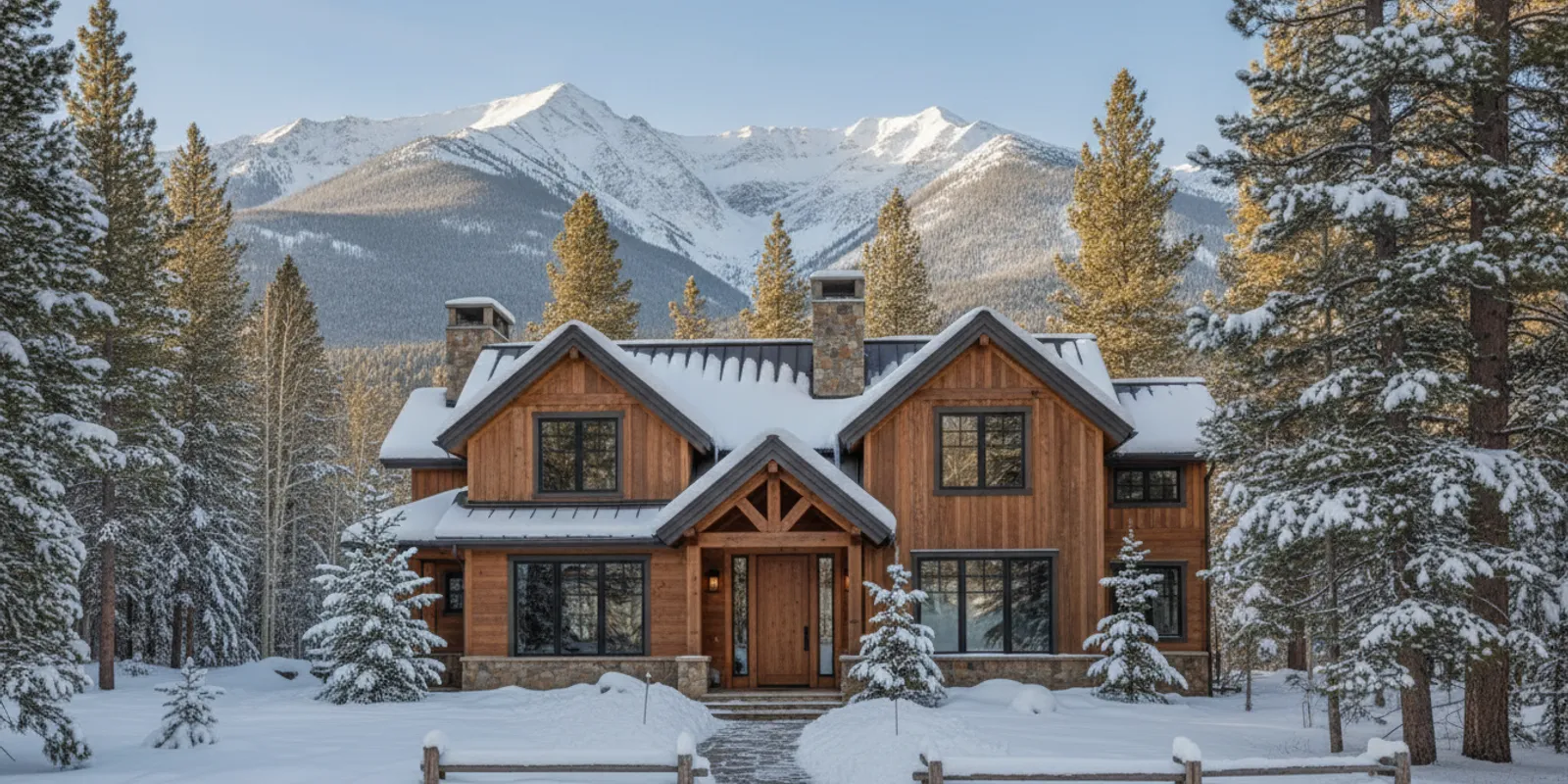

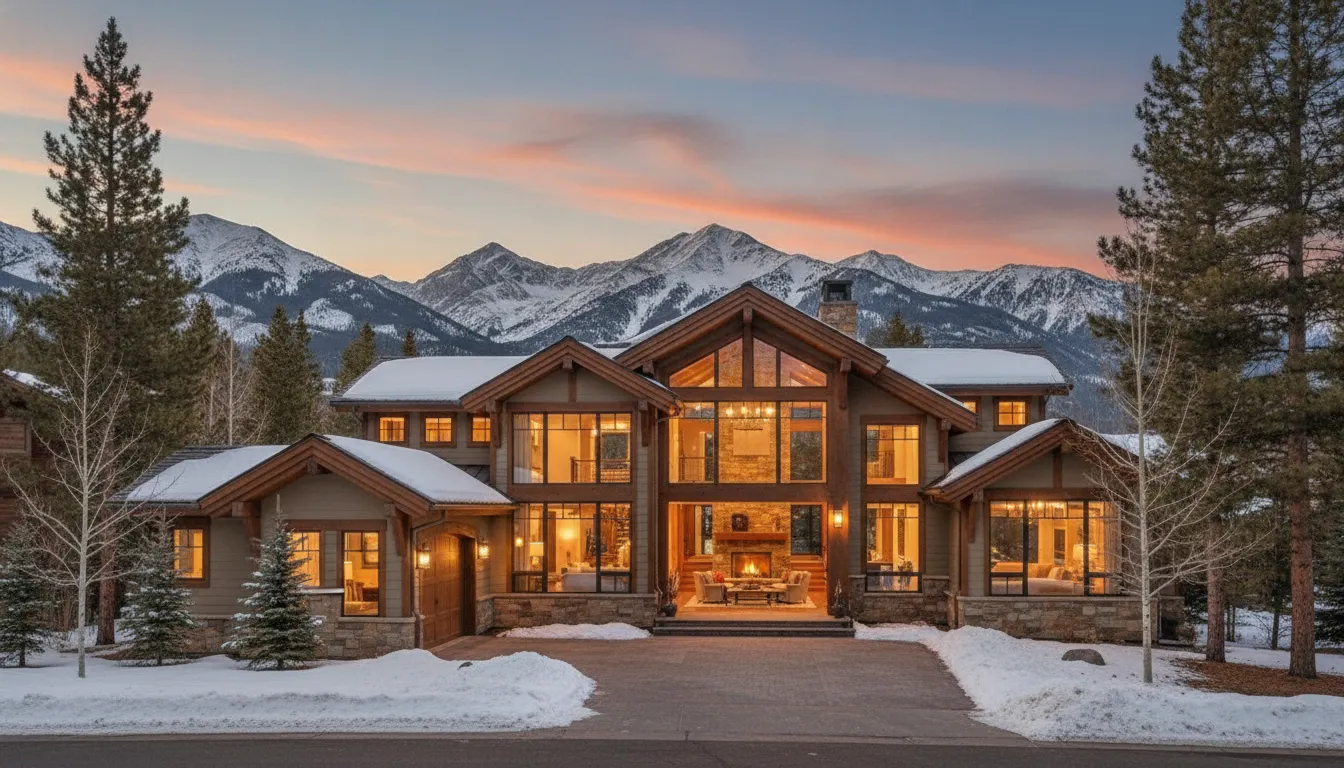
Buying in Glenwild is not simply a matter of finding a loan large enough for a high-value property. If you searched for 'jumbo mortgage lender glenwild utah,' you are likely comparing how lenders approach property review, income documentation, and loan structure before you commit to a transaction. The right lender should understand how the home, intended use, income profile, assets, and financing structure fit together.
Discuss your Glenwild jumbo financing options with Utah's Mortgage Pro
Direct answer: A buyer seeking a jumbo mortgage lender in Glenwild, Utah, should expect clear explanations of loan structure, documentation, property review, and expected costs. Jumbo loans generally exceed applicable conforming limits established through the conventional loan system, and requirements can vary by lender, borrower, property, market conditions, and program.
For a high-value Park City purchase, comparison should go beyond a quoted rate. It should reveal how thoughtfully each lender evaluates the Glenwild property and whether the process matches your financial complexity and ownership plans. Start by examining the practical criteria that separate a generic jumbo conversation from a properly local one.
Direct answer: Compare a lender's familiarity with properties in Glenwild, ability to structure financing around your income and ownership plans, clarity about documentation, and responsiveness from preapproval through closing.
A jumbo mortgage is generally a loan larger than the applicable conforming loan limit. Those limits are set annually for loans that Fannie Mae and Freddie Mac will purchase. So the dividing line can change and should be verified for the property and loan year. The Consumer Financial Protection Bureau provides the basic explanation of how jumbo loans differ from conforming financing: what is a jumbo loan.
For a Glenwild buyer, the more useful question is not simply which lender advertises a jumbo product. It is whether the lender can evaluate the complete transaction. A Glenwild property may have distinctive features or community-related considerations that should be reviewed alongside your financial profile. Confirm the specific home's details, intended use, and appraisal questions with the lender early.
Ask each lender how the process will address:
It can help to review the broader Park City jumbo loan guide for background, then keep your lender conversation specific to the Glenwild property and your financial objectives. A suitable lender should be able to explain what is known, what still needs verification, and which requirements depend on your borrower and property circumstances.
Property-specific review matters because a Glenwild estate purchase is evaluated alongside the borrower, the intended occupancy, and the property's own characteristics. A lender familiar with Summit County should be able to explain which questions need answers before the application moves too far forward.
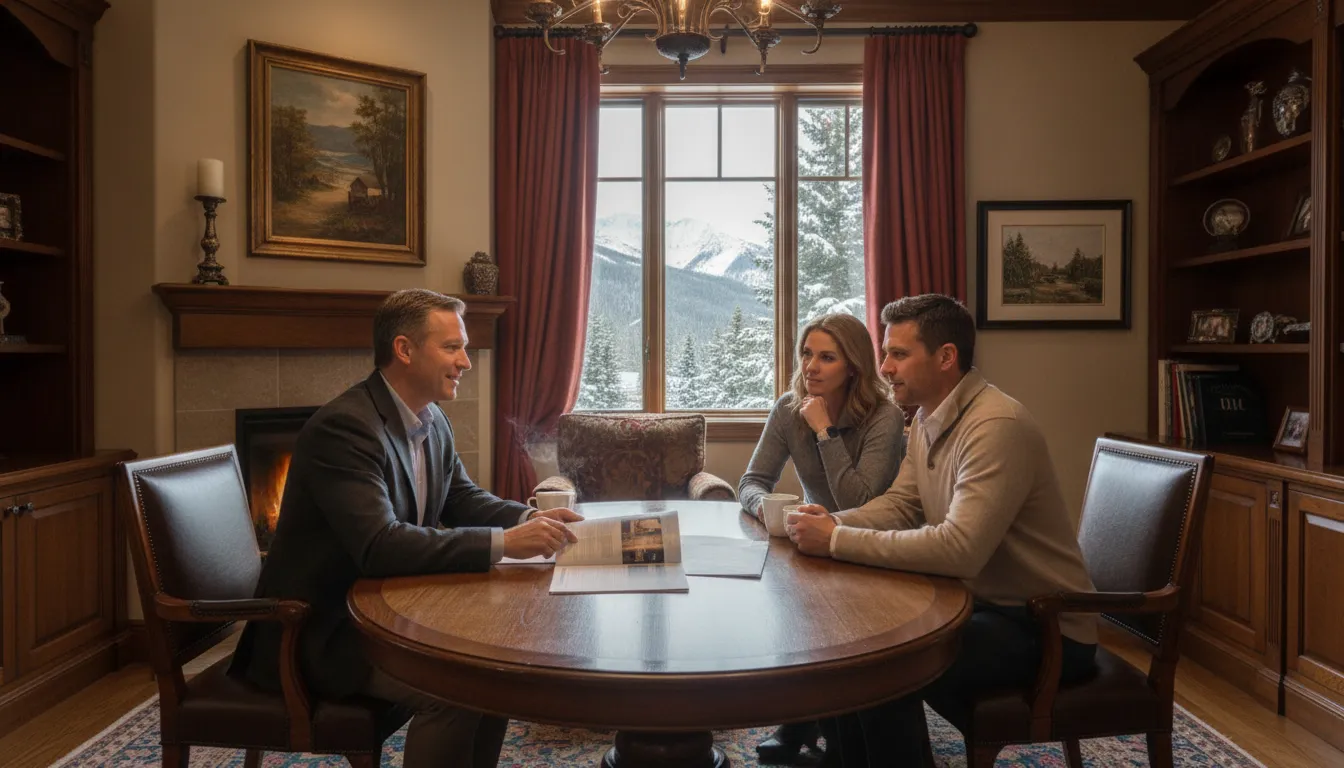
A property's Glenwild location and specific characteristics do not determine approval, but they can shape the underwriting conversation. The lender may need to understand the property type, how it will be occupied, and whether community or HOA restrictions affect its use. A second home, primary residence, and investment property can raise different documentation and qualification questions.
Appraisal is another area where local familiarity can improve clarity. Estate properties may have features, layouts, or comparable-property questions that deserve careful discussion rather than a one-size-fits-all assumption. The right questions include which property details the appraiser will need, how unusual characteristics will be documented, and whether any community requirements should be disclosed early. Requirements vary by lender, program, borrower, and property.
This is where a jumbo mortgage lender Glenwild Utah buyer can evaluate more than a headline rate. Ask whether the lender understands local Summit County property considerations, can coordinate property questions proactively, and will explain how occupancy, assets, income, and the estate itself fit together. Utah's Mortgage Pro, led by Rodrigo Ballon, brings Park City and Summit County financing experience to that discussion, including support for complex-income borrowers. CrossCountry Mortgage, LLC provides institutional resources under NMLS #3029.
Compare more than a proposed loan structure. For a Glenwild purchase, evaluate whether each lender can explain the documentation, property review, and closing process clearly, then follow through with consistent communication. A strong comparison should leave you confident about what happens next, not simply focused on a headline number.
The Consumer Financial Protection Bureau recommends comparing at least three loan offers from different lenders. You can also request preapprovals from multiple lenders, which gives you a practical way to assess how each team reviews your finances, explains its assumptions, and handles questions. Read the CFPB's guidance on shopping for a mortgage before beginning those conversations.
Ask who will be your primary point of contact, how often you should expect updates. And which documents the lender needs to evaluate income, assets, credit, and the property. For a high-value property in Summit County, ask how the team approaches appraisal coordination, community or HOA considerations, and unusual property details. The right lender should explain what is known, what still needs verification, and where program guidelines may affect the structure.
Communication quality matters throughout the transaction. The CFPB identifies your comfort with a loan officer's ability to answer questions and your confidence that the lender can meet the closing timeframe as factors in choosing a lender. Those are process questions, not promises of a specific closing date. Ask how potential issues are escalated and how changes to your financial or property profile could affect underwriting.
Once you receive Loan Estimates, review them side by side rather than relying on verbal summaries. The CFPB explains that comparing Loan Estimates can help you choose between lenders, and multiple estimates may help you negotiate: compare Loan Estimates. Cost is one factor, but clarity, responsiveness, and confidence in execution deserve equal attention. For broader local context, see this Park City jumbo loan guide.
Requirements, rates, terms, and timing vary by borrower, property, market conditions, lender, and program. Utah's Mortgage Pro operates under CrossCountry Mortgage, LLC, NMLS #3029. Equal Housing Lender. Equal Credit Opportunity. State licensing and program terms apply.
Direct answer: A lender should explain how your income is documented, which assets may support the transaction, and what additional records could be needed before you make an offer. That conversation is especially important when your finances extend beyond a straightforward salary and W-2 profile.
Ask how underwriting may evaluate self-employment income, business ownership, 1099 compensation, bonuses, partnership interests, or income from multiple entities. The goal is not to force every borrower into the same documentation process. It is to identify the relevant income sources early and clarify which tax returns, business records, statements, or other documents may be reviewed.
Business owners should also ask how the proposed purchase could intersect with company cash flow. Moving funds between personal and business accounts, using business assets, or documenting ownership of those funds may require careful explanation. A lender should distinguish personal liquidity from assets that are needed to operate the business rather than treating every account balance as interchangeable.
Equity compensation and irregular income deserve the same level of clarity. Ask how vested assets, stock awards, commissions, or variable income may be considered under the specific program. Requirements can depend on the borrower, the property, the lender, and current program guidelines, so avoid relying on a generic threshold found online.
For borrowers with substantial investments or retirement assets, ask whether an asset-based approach, including asset depletion loan options, is relevant to the discussion. It may offer another way to evaluate available resources, but it is not universally available and does not guarantee approval.
A strong early review ends with a written documentation plan: what is needed now, what may be requested later, and which funds should remain untouched. That clarity helps you assess lender fit before the Glenwild transaction becomes time-sensitive.
Direct answer: The intended use of a Glenwild property helps shape the underwriting questions, documentation, and loan structure a lender may evaluate. Primary residences, second homes, and investment properties each call for a clear discussion of occupancy, finances, and long-term plans rather than a one-size-fits-all assumption.
| Property use | Questions to address early | Structure considerations |
|---|---|---|
| Primary residence | How will the home fit your household, income, assets, and expected move? What documentation supports the overall financial picture? | Discuss payment preferences, liquidity goals, and whether a fixed-rate or adjustable-rate structure aligns with the anticipated length of ownership and risk tolerance. |
| Second home | How often do you expect to use the property, and how does that plan fit alongside your current residence and other obligations? | Review the ownership plan, property characteristics, and available assets together. The appropriate structure can depend on borrower qualifications, property details, and lender guidelines. |
| Investment property | What is the investment strategy, and how should expected property income be considered alongside existing obligations and reserves? | Clarify how the intended use, documentation, and liquidity strategy affect the available options. Do not assume that a structure used for a residence will apply to an investment property. |
Fixed-rate and adjustable-rate mortgages raise different planning questions. A fixed-rate structure may appeal to a borrower who values payment stability over the planned ownership period. An adjustable-rate structure may warrant a closer conversation about the initial period, future adjustment risk, liquidity, and how long the borrower expects to hold the loan. Neither approach is universally preferable. The right discussion depends on income, assets, credit, occupancy, property, market conditions, and program guidelines.
When comparing scenarios, review the proposed loan type and costs rather than focusing only on a rate snapshot. The Park City jumbo loan rates guide can provide broader context, but current rates, terms, and availability must be verified for the specific borrower and property.
For a Glenwild purchase, a lender conversation should connect property use, ownership horizon, liquidity objectives, and documentation before a structure is selected.
A thorough preapproval should do more than estimate a borrowing range. It should connect your financial profile, intended property use, Glenwild property details, available liquidity, and the lender's documentation process before you make an offer.
Requirements, rates, terms, loan limits, and program availability can change and depend on the borrower, property, market conditions, lender, and program. CrossCountry Mortgage, LLC, NMLS #3029. Equal Housing Lender. Equal Credit Opportunity.
Discuss your Glenwild jumbo preapproval with a local lender
A high-value property in Glenwild may require a closer conversation about the property, intended use, assets, income, and loan structure. A mortgage above the applicable conforming loan limit is generally considered jumbo; those limits are set annually by FHFA, Fannie Mae, and Freddie Mac. The CFPB explains jumbo loans and conforming limits.
Compare at least three lenders or offers when practical, then look beyond the headline rate. Evaluate the cost, the loan officer's ability to answer detailed questions, and your confidence in the lender's process. The CFPB recommends comparing at least three offers and notes that multiple Loan Estimates can help you evaluate and negotiate terms. See the CFPB mortgage-shopping guidance.
Possibly, but the answer depends on how your income, assets, credit, debts, and documentation are evaluated under the selected program. Business owners, 1099 earners, and borrowers with multiple income sources should discuss documentation early, rather than assuming a standard application will reflect their full financial picture.
That decision depends on your ownership plans, expected time in the property, cash-flow preferences, and tolerance for future payment changes. Fixed-rate and adjustable-rate structures may both be considered, but suitability and availability vary by borrower, property, market conditions, and lender guidelines. A property-specific review can clarify the tradeoffs without relying on a one-size-fits-all recommendation.
Talk with a jumbo mortgage lender about your Glenwild Utah purchase.
Utah's Mortgage Pro can help you discuss the property, intended use, income profile, assets, and financing structure before you choose a path. Rates, terms, loan limits, down-payment requirements, documentation, reserves, and program availability vary by borrower, property, market conditions, and lender guidelines. A consultation is not a commitment to lend or a guarantee of approval.
Utah's Mortgage Pro operates under CrossCountry Mortgage, LLC, NMLS #3029. Equal Housing Lender and Equal Credit Opportunity provider. State licensing and program requirements apply. Rates, terms, and availability are subject to change without notice. Not a commitment to lend.