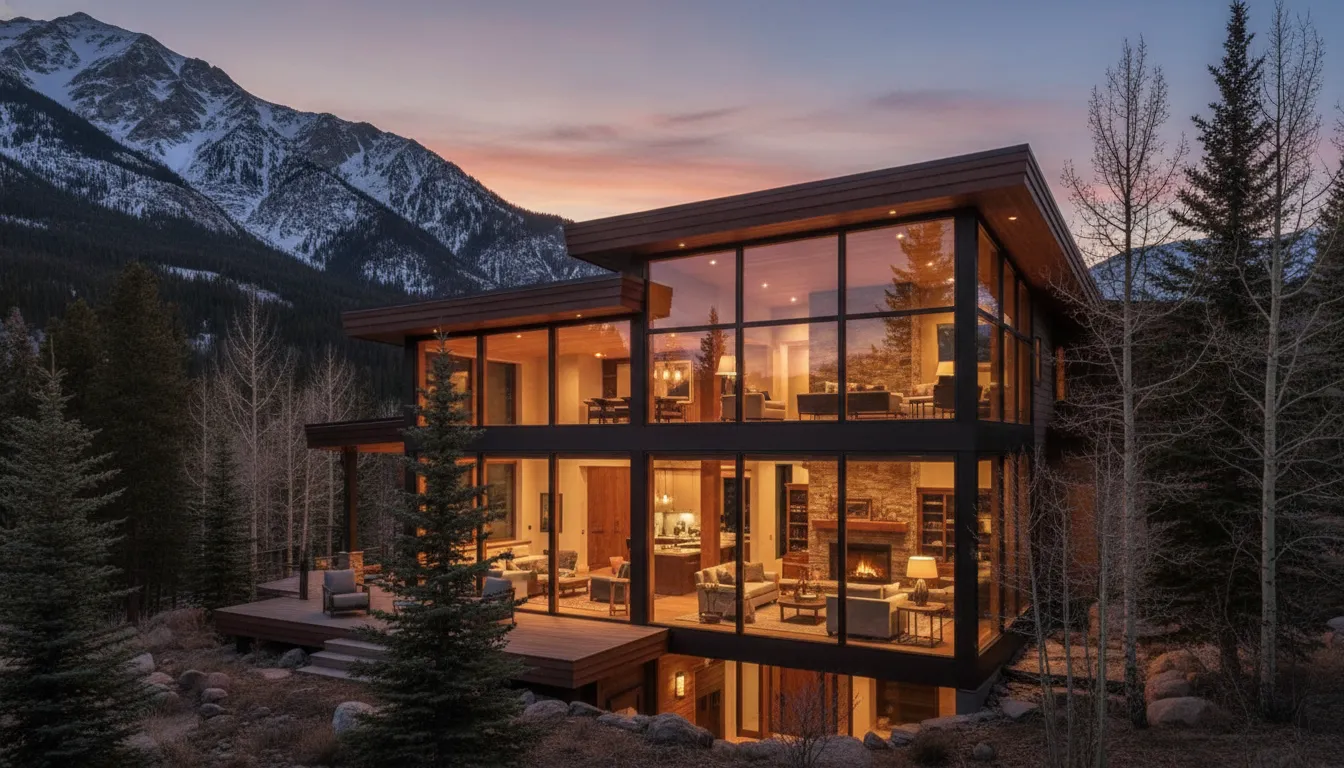

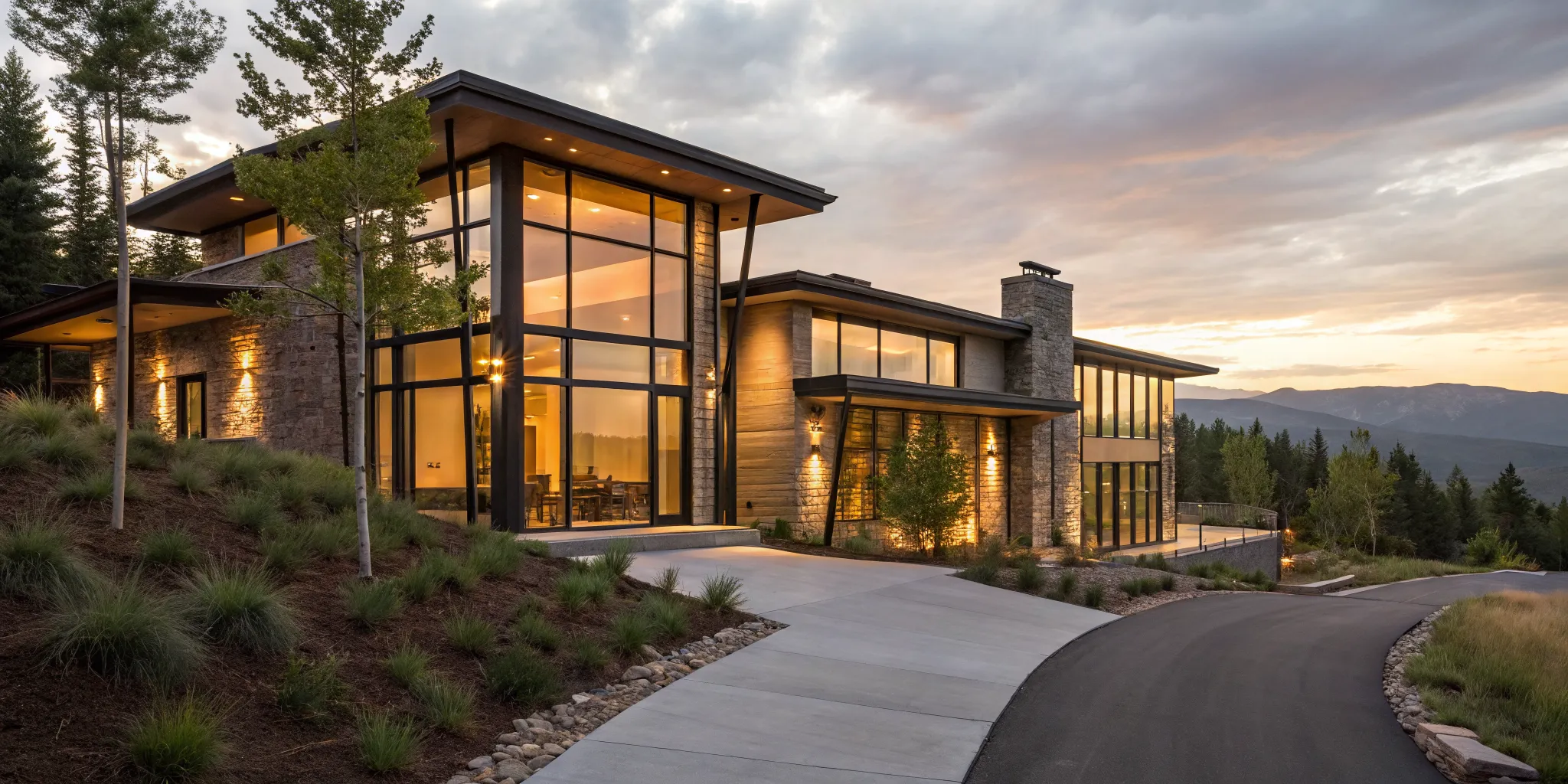
Buying a property in Park City isn't like buying anywhere else. The market is unique, the properties are specialized, and the financing requires a level of local expertise that a big national bank simply can't offer. A generic lender may not understand the true value of a ski-in/ski-out condo or the specific nuances of a Promontory property. This is where working with a local specialist becomes your greatest advantage. An expert on the ground knows the market intimately and understands how factors like property type and location influence second home loan rates. They can help you navigate the process smoothly, ensuring you find a loan structure that fits your financial goals and secures your place in the mountains.
When you start picturing your dream getaway in Park City, the last thing you want to get bogged down by is confusing mortgage details. But it's important to know that financing a second home is a little different from financing your primary residence. The biggest difference you'll notice is in the interest rate. Let's walk through why that is, what you can expect, and the types of loans available to you.
It really comes down to one word: risk. Lenders view mortgages for second homes as a bit riskier than loans for a primary home. Think about it: if you ever hit a financial rough patch, you’re going to prioritize keeping the roof over your head at your main residence. Lenders know this, and they assume a second home mortgage would be the first one to face default in a crisis. This higher perceived risk is why you'll generally see a higher interest rate attached. It’s the lender’s way of balancing out that potential risk. Understanding this from the start helps you set realistic expectations as you begin the process.
So, how much more are we talking about? While it varies based on your financial profile and the market, you can generally expect second home mortgage rates to be about 0.5% to 0.75% higher than rates for a primary home. It might not sound like a huge jump, but over the life of a 30-year loan, that small percentage can add up. Don't let that number discourage you, though. It's just a baseline. Working with a local mortgage expert who specializes in the Park City market can help you find the most competitive rates and loan structures available, ensuring you get a great deal for your specific situation.
Just like with a primary mortgage, you have options for your second home loan. The two most common types are fixed-rate mortgages and adjustable-rate mortgages (ARMs). A fixed-rate loan is straightforward: your interest rate is locked in for the entire loan term, so your principal and interest payment never changes. It’s predictable and great for long-term planning. An ARM, on the other hand, typically offers a lower initial rate for a set period (like 5 or 7 years), after which the rate adjusts based on the market. This can be a smart choice if you plan to sell the property before the fixed period ends. You can explore more about these options in our FAQs.
When you apply for a second home loan, lenders look at your complete financial picture to determine your interest rate. Think of it as a puzzle where each piece, from your credit score to the property's location, helps them see how much risk is involved. A lower risk for the lender usually means a better rate for you. Understanding these factors ahead of time puts you in a stronger position to secure favorable terms for your Park City retreat. Let's walk through the key elements that will influence your loan rate.
Your credit score is one of the most significant factors in any loan application, and a second home mortgage is no exception. Lenders use this three-digit number to quickly gauge your reliability as a borrower. While you can sometimes qualify with a score around 660, a higher score demonstrates a stronger history of managing debt responsibly. This can directly translate into a lower interest rate, saving you a substantial amount over the life of the loan. Because second home loans are seen as slightly riskier, having excellent credit helps offset the lender's concerns and can make a real difference in the mortgage rates you're offered.
The loan-to-value (LTV) ratio compares the amount you're borrowing to the appraised value of the property. For example, if you make a 20% down payment, your LTV is 80%. From a lender's perspective, a lower LTV is always better because it means you have more of your own money invested in the property, reducing their risk. Most lenders prefer an LTV of 80% or less for a second home. A lower LTV not only improves your chances of approval but can also help you secure a more competitive interest rate, as you're seen as a less risky borrower.
Your debt-to-income (DTI) ratio is another critical piece of the puzzle. This figure represents the percentage of your gross monthly income that goes toward paying all your monthly debts, including your primary mortgage, car loans, credit card payments, and the proposed new second home mortgage. Lenders want to see that you can comfortably manage another payment. Ideally, your total DTI should be 45% or lower, though some lenders prefer it to be around 36%. A low DTI signals financial stability and shows you aren't overextended, which is a key part of how the loan process works.
While closely tied to your LTV, the size of your down payment sends its own powerful message to lenders. For a second home, you should expect to put down at least 10%, which is higher than the minimums for many primary residences. However, aiming for a 20% down payment is a smart move. Not only does it help you avoid private mortgage insurance (PMI), but it also significantly lowers the lender's risk. A larger down payment shows you have ample cash reserves and strong financial discipline, making you a more attractive applicant and often leading to a better interest rate.
The specific property you choose and its location also play a role in your interest rate. Lenders generally view second homes, like a ski-in/ski-out condo in Deer Valley or a summer house near the Jordanelle Reservoir, as a slightly higher risk than a primary home. The logic is simple: if financial hardship strikes, a borrower is more likely to prioritize payments on their main residence over a vacation property. This perceived risk can result in a slightly higher interest rate. Working with a lender who has deep expertise in the Park City market ensures they accurately assess the property's value and risk, which our client reviews show is crucial.
When you’re buying another property, what you plan to do with it really matters to a lender. The label you put on it, whether it’s a second home for personal getaways or an investment property to generate rental income, directly impacts your loan options, interest rate, and the requirements you’ll need to meet. Lenders have very specific definitions for each, and the distinction is not just a matter of semantics. It’s a critical factor that shapes the entire mortgage process.
Getting this classification right from the start ensures you’re applying for the right type of loan and sets you up for a smoother path to closing. In a unique market like Park City, where properties often serve as both personal retreats and occasional rentals, understanding these rules is key. An investment property is purchased with the primary intent of generating income, while a second home is all about your own use and enjoyment. Let's break down what that means for your loan.
From a lender's point of view, a second home is a property you intend to occupy for at least part of the year for personal enjoyment. Think of it as your family’s ski-in/ski-out condo in Canyons Village or a quiet retreat for summer weekends. It must be a reasonable distance from your primary residence, making it practical for you to use as a getaway. The key distinction is that its main purpose isn't to make money.
While you can rent it out from time to time, the property can't be subject to a rental agreement that would give a tenant consistent occupancy. The lender’s underwriting process will verify that the home is truly for your personal use. Our team can help you understand exactly how lenders evaluate your situation to ensure your property is classified correctly from the beginning.
Lenders have clear rules for what qualifies as a second home. First, you, the owner, must live in the property for some portion of the year. There isn't a magic number of days, but it needs to be clear that you have exclusive control over the home and it isn't primarily a rental. It must be a single-family home or a qualifying condo that is suitable for year-round occupancy.
Most importantly, you cannot use any potential rental income to help you qualify for the mortgage. Your ability to afford the loan must be based entirely on your existing income and assets. This is one of the biggest differences between a second home loan and an investment property loan, where projected rental income can often be used to offset the mortgage payment.
Lenders see second homes as a slightly greater risk than your primary residence. The logic is simple: if you face financial hardship, you’re more likely to make the mortgage payment on your main home first. This perceived risk is why you’ll often find that mortgage rates for second homes are a bit higher than those for a primary home. It’s the lender’s way of balancing out that additional risk.
However, the rates and down payment requirements for a second home are still much more favorable than those for an investment property. Investment properties are considered the riskiest category, so they come with the highest rates and largest down payment requirements. Misclassifying an investment property as a second home to get better terms can be considered mortgage fraud, which has serious legal and financial consequences. It’s always best to be transparent about your intentions.
Buying a second home in a place like Park City is an exciting goal, and understanding the qualification process is the first step to making it happen. Lenders look at your finances a bit differently for a second home compared to your primary residence, but the requirements are straightforward. Because a second home is considered a luxury rather than a necessity, lenders view it as a slightly higher risk. This means they’ll want to see a strong financial profile that proves you can comfortably manage the costs of two properties without stretching yourself too thin.
The good news is that the process isn't a mystery. Lenders focus on four key pillars: your down payment, your credit history, your income stability, and your overall financial ratios. By preparing in each of these areas, you can position yourself as a strong applicant and move confidently toward owning your dream mountain retreat. Think of it as creating a clear financial picture that gives lenders the assurance they need. Our team specializes in the Park City market and can help you put together a compelling application that highlights your financial strengths. Let’s walk through exactly what lenders are looking for.
One of the biggest differences you’ll notice is the down payment. For a second home, you should expect to put down at least 10%. This is a bit more than the 3% to 5% you might see for a primary home. Lenders view a second home as a slightly higher risk, so a larger down payment shows them you have a serious financial stake in the property. Putting more money down can also help you secure a better interest rate, which makes a big difference over the life of the loan.
Your credit score is a major factor in your application. Generally, you will need a credit score of at least 660 to qualify for a second home mortgage. However, aiming for a higher score is always a good strategy. A strong credit history not only improves your chances of approval but also directly impacts the interest rate you’ll be offered. The better your score, the more favorable your loan terms will likely be, saving you a significant amount of money in the long run.
When you apply for a second home loan, lenders need to see that you can comfortably afford both mortgage payments. They will take a close look at your income, job history, and overall financial stability to ensure the new loan won't overextend you. You’ll need to provide documentation that shows a reliable and consistent income stream. This gives the lender confidence that you can manage the financial responsibilities of owning two properties. Our team can help you understand exactly what documentation you'll need as part of our loan process.
Two acronyms you’ll hear a lot are DTI and LTV. Your debt-to-income (DTI) ratio compares your total monthly debt payments (including your current mortgage, car loans, and the new mortgage) to your gross monthly income. Lenders typically want to see a DTI of 45% or less. Your loan-to-value (LTV) ratio compares the loan amount to the home's value. Lenders prefer an LTV of 80% or less, which you can achieve with a 20% down payment. Keeping these numbers in healthy ranges is key to a smooth approval.
Buying a second home in a beautiful place like Park City is an exciting goal, but the path to getting there is a little different from financing your primary residence. It’s easy to get tripped up by some common myths about the process. Let’s clear up a few of the biggest misconceptions so you can move forward with confidence.
It’s a logical assumption, but unfortunately, it’s not accurate. Lenders generally view a second home as a slightly higher risk than your primary one. The thinking is that if you were to face financial hardship, you’d prioritize payments for the home you live in full-time. Because of this added risk, you can expect that mortgages for second homes will typically come with a slightly higher interest rate. While the difference might not be huge, it’s an important factor to include in your budget calculations from the very beginning.
This is another area where the rules differ. Government-backed loans, like FHA or VA loans, are designed to help people buy their main home, so they can’t be used for a vacation property. To finance your Park City retreat, you’ll need a conventional loan. For many properties in the area, this will likely be a jumbo loan, which is a type of conventional loan designed for higher-value properties that exceed the limits set for standard conforming loans. This is our specialty, and we can help you find the right fit.
While you might have put down as little as 3-5% on your first home, lenders require more skin in the game for a second one. You should plan on a down payment of at least 10% for a second home. For the types of luxury properties found in Park City, especially when using a jumbo loan, the requirement is often 20% or more. A larger down payment shows the lender you’re financially stable and can reduce your perceived risk, which can also help you secure a better interest rate.
Many people dream of renting out their mountain home when they aren’t using it, but you can’t use that potential income to help you qualify for the loan. Lenders need to see that you can afford both mortgages based on your existing, stable income. If your primary goal is to generate income, your property will be classified as an investment property, which comes with a different set of loan requirements and rates. For a second home loan, the focus is on your personal ability to pay for the property without relying on renters.
Getting a great interest rate on your second home loan isn't about luck; it's about preparation. Lenders see a second home as a slightly higher risk than a primary residence because, in a financial pinch, people are more likely to prioritize payments on their main home. Because of this, lenders look for borrowers who present a strong, stable financial picture. By taking a few strategic steps before you even apply, you can position yourself as an ideal candidate and secure the most competitive rate possible. This means taking a close look at your credit, managing your existing debt, and thinking carefully about your down payment.
Think of it as setting the stage for a smooth and successful home-buying experience. When you walk into a lender's office with your finances in order, you're not just asking for a loan; you're demonstrating that you're a reliable partner. This proactive approach gives you more control and confidence throughout the entire process. Our team can guide you through each step, but the work you do beforehand makes all the difference. The loan process becomes much simpler when you're fully prepared. Below, we’ll walk through the key actions you can take to put yourself in the best possible position.
Your credit score is one of the most significant factors lenders use to determine your interest rate. For a second home, they’ll want to see a strong history of responsible credit use. While the minimum score is often around 660, aiming for a score well above 700 will put you in a much better position to receive favorable terms. A higher score signals to lenders that you are a low-risk borrower, which often translates directly into a lower interest rate. Before you start your property search, take the time to check your score and see where you stand.
Before you apply for a loan, it’s a smart move to review your credit report for any inaccuracies. Mistakes happen, and an error on your report could be unfairly dragging down your score. You can request a free copy of your report from the major credit bureaus and comb through it for any accounts you don't recognize or incorrect payment histories. If you find a mistake, you can file a dispute to have it corrected. Cleaning up your report is a simple step that can have a big impact on your score and, ultimately, your mortgage rate.
Your debt-to-income (DTI) ratio is the percentage of your gross monthly income that goes toward paying your monthly debts. Lenders use this number to gauge your ability to manage another mortgage payment. For a second home, your total DTI, including your new mortgage, should ideally be 45% or less. To qualify for the best rates, some lenders may even prefer a DTI closer to 36%. If your ratio is on the higher side, consider paying down credit card balances or other loans before applying. A lower DTI shows you can comfortably handle the added expense.
A larger down payment is one of the most effective ways to secure a better interest rate. For a second home, you should expect to put down at least 10%, but offering more can significantly reduce the lender's risk. A down payment of 20% or more not only leads to a lower rate but also helps you avoid private mortgage insurance (PMI). This upfront investment demonstrates your financial stability and commitment, making you a more attractive borrower. It also lowers your loan-to-value ratio, which directly influences the mortgage rates available to you.
In the months leading up to your mortgage application, it's wise to hold off on applying for any new credit. Every time you apply for a new credit card, auto loan, or other line of credit, it generates a hard inquiry on your credit report, which can temporarily dip your score. While a single inquiry usually isn't a major issue, several of them in a short period can signal financial instability to lenders. To keep your credit profile as strong as possible, simply pause any new applications until after your second home loan has closed.
Getting pre-approved is a critical step that shows sellers you are a serious and qualified buyer. Unlike a pre-qualification, a pre-approval involves a lender thoroughly reviewing your financial documents to determine exactly how much you can borrow. This not only gives you a clear budget for your Park City home search but also strengthens your negotiating power. When you make an offer with a pre-approval letter in hand, sellers know your financing is already lined up. This step positions you to act quickly and confidently when you find the perfect property.
Dreaming of a ski-in/ski-out condo in Canyons Village or a quiet retreat in Promontory is exciting, but the sticker price is only the beginning of the story. The true cost of owning a second home in Park City goes far beyond your monthly mortgage payment. Getting a clear picture of all the associated expenses from the start ensures your mountain getaway remains a source of joy, not financial stress.
From the one-time fees at the closing table to the recurring costs of maintenance and taxes, these expenses can add up quickly. Thinking about them now helps you create a realistic budget and approach your purchase with confidence. A well-prepared buyer is a successful homeowner. Let’s walk through the key costs you’ll want to plan for so you can make your second home dream a sustainable reality.
Closing costs are the collection of fees you pay to finalize your real estate transaction. They typically amount to 2% to 5% of the loan amount and are paid when you sign the final paperwork. These costs cover services like the appraisal, title insurance, attorney fees, and loan origination. While your interest rate gets most of the attention, it’s the Annual Percentage Rate (APR) that tells the whole story. The APR includes both the interest rate and other fees, giving you a more complete picture of your loan's true cost.
When you receive a loan estimate, you’ll see these costs itemized. It’s a lot of numbers, but taking the time to understand what you’re paying for is crucial. A good lender will walk you through each line item, ensuring there are no surprises. Reviewing the current rates can also help you anticipate these expenses and budget accordingly.
Once the keys are in your hand, your financial responsibilities shift to ongoing ownership costs. These include property taxes, homeowners insurance, and potential HOA fees, which are common in Park City’s resort communities. You’ll also want to budget for utilities, seasonal maintenance like snow removal, and unexpected repairs. A good rule of thumb is to set aside 1% of your home’s value each year for maintenance.
To make sure you can comfortably handle these new bills, lenders will look at your debt-to-income (DTI) ratio. Ideally, your total monthly debt payments, including both mortgages, should be 45% or less of your pre-tax income. On the plus side, you may be able to deduct mortgage interest and property taxes, but you should always consult a tax advisor to understand the specific benefits for your situation. Understanding how it works from a financial perspective is the key to long-term success.
Mortgage rates aren't set in stone; they can change daily, sometimes even multiple times a day, based on financial market activity. Because rates for second homes can be slightly higher than for primary residences, it’s smart to compare offers from a few different lenders to ensure you’re getting a competitive deal. This is where working with a local mortgage professional becomes invaluable.
An expert who understands the Park City market can help you watch for favorable movements and decide on the right time to lock in your rate. Getting pre-approved early in your search is one of the best ways to protect yourself from rate fluctuations. A pre-approval shows sellers you’re a serious buyer and gives you a clear budget to work with, allowing you to act quickly when you find the perfect property. You can connect with an expert to get started.
Buying a second home is a huge milestone, blending a personal dream with a serious financial decision. For many, a Park City retreat is the ultimate goal, offering a perfect escape with stunning mountain views. But before you start picturing your life on the slopes, it’s important to look at the complete financial picture. A second home mortgage comes with its own unique set of benefits and challenges. On one hand, you have the potential for tax advantages and the opportunity to build wealth through a tangible asset. On the other, the path to qualifying is often stricter and more expensive than it was for your primary residence. Understanding both sides of the coin is the first step toward making a smart, sustainable investment in your future. Let’s walk through the key pros and cons you should consider.
One of the financial perks of owning a second home is the potential for tax deductions. If you use the property for personal enjoyment and don't rent it out too often, you may be able to deduct the mortgage interest. The IRS allows homeowners to deduct interest on up to $750,000 of total mortgage debt, which includes the combined mortgages on your primary and second homes. You can also deduct property taxes, though there are limits. These benefits can help offset some of the costs of ownership, but the rules can be complex. It’s always a good idea to consult with a tax professional to understand exactly how your second home will impact your specific financial situation.
A second home is more than just a place to vacation; it’s a significant financial asset. Every mortgage payment you make helps you build equity, which is the portion of the property you truly own. Over time, as you pay down your loan and the property potentially appreciates in value, your equity grows. In a sought-after market like Park City, a second home can become a powerful part of your long-term wealth-building strategy. Should you decide to sell years down the road, the equity you’ve accumulated can translate into a substantial return on your investment, all while you’ve been enjoying the home with your family.
Many second-home buyers wonder if they can rent out their property to help cover the mortgage, taxes, and upkeep. The short answer is yes, you can. Generating rental income can be a great way to make owning a second home more affordable. However, there’s a crucial detail to remember during the loan application process: lenders typically do not allow you to use potential rental income to qualify for a second home mortgage. They need to see that your current, stable income is sufficient to cover both your primary and second mortgage payments on its own. Think of rental income as a fantastic bonus, not a foundational piece of your qualification puzzle.
It’s important to go into this process knowing that a second home mortgage is viewed differently by lenders. Because it’s not your primary residence, it’s considered a slightly higher risk. As a result, you can generally expect interest rates to be a bit higher than what you secured for your main home. Qualification standards are also more stringent. Lenders will take a closer look at your credit score, your debt-to-income ratio, and the amount of cash you have in reserves. This is where having an experienced guide is so valuable. Understanding the loan process and working with a professional who specializes in Park City properties can help you confidently meet these higher expectations.
Finding the right lender is just as important as finding the right property, especially in a unique market like Park City. While it’s smart to compare offers from a few different places, you’ll quickly find that not all lenders are created equal. The best partner for your second home loan is one who truly understands the local landscape, from ski-in/ski-out condos in Deer Valley to luxury estates in Promontory. A generic online lender or big bank simply won't have the on-the-ground insight that a local specialist provides.
Mortgage rates for second homes are typically higher than for a primary residence because lenders view them as a slightly greater risk. This makes your choice of lender even more critical. You need someone who can offer competitive, current rates and guide you through the specific requirements for a second property. A local mortgage professional knows the nuances of property values and market trends here in the Wasatch Back. They can help you present your financial situation in the best possible light, showing you can comfortably manage payments on two homes. Understanding how it works with a team that specializes in this area ensures you have a guide who is invested in your success from pre-approval to closing day.
Why is the interest rate for a second home usually higher? Lenders see a second home as a slightly higher risk than your primary residence. Their thinking is that if you ever faced a financial challenge, you would naturally prioritize the mortgage on the home you live in every day. To balance out this perceived risk, they typically assign a slightly higher interest rate to second home loans. It’s not a reflection on you personally; it’s just how the lending industry accounts for the difference between a necessity and a luxury.
Besides the mortgage, what other costs should I budget for? It's smart to plan for the total cost of ownership, which goes beyond the monthly mortgage payment. First, you'll have closing costs, which are typically 2% to 5% of the loan amount and cover fees for the appraisal, title insurance, and loan origination. Once you own the home, you'll have recurring expenses like property taxes, homeowners insurance, and potential HOA fees, which are common in Park City. It's also wise to set aside funds for utilities, seasonal upkeep, and unexpected repairs.
Can I use the rent I plan to collect to help me qualify for the loan? This is a common question, and the answer is no. When you apply for a second home mortgage, lenders need to see that you can afford both your primary and second home payments based on your current, stable income alone. If your main goal is to generate rental income, the property is considered an investment property, which has different loan requirements. Think of any rental income from your second home as a great bonus to help offset costs after you own it, not as a tool to help you get the loan.
What are the most important financial factors lenders look at for a second home? Lenders focus on a few key areas to get a clear picture of your financial health. They will look for a strong credit score, as it shows a history of responsible borrowing. They will also closely examine your debt-to-income (DTI) ratio to ensure you can comfortably manage another mortgage payment. Finally, they want to see that you have enough cash for a solid down payment (at least 10%, but 20% is better) and additional reserves left over after closing.
I've heard I'll need a jumbo loan. How is that different for a second home? Since many Park City properties exceed standard loan limits, a jumbo loan is often necessary. Jumbo loans already have stricter qualification standards than conventional loans. When you combine that with a second home purchase, lenders become even more thorough. You should expect to provide a larger down payment, often 20% or more, and show significant cash reserves. This proves you can comfortably handle a large loan on a property that isn't your primary residence.