


Intro.
Buying a personal-use retreat in Canyons Village involves more than choosing a view and estimating a down payment. The property's intended occupancy, condo or HOA structure, and your income and asset profile all help shape which financing paths may fit.
A vacation home mortgage canyons village utah buyer may use is evaluated around personal use, property eligibility, and borrower qualifications. Rates, down payments, reserves, documentation, and program availability vary by scenario. A lender should confirm the structure rather than assume that every resort property follows the same rules.
Discuss your Canyons Village vacation-home financing options
The right starting point is a focused review of how you plan to use the home. What type of property you are considering, and how the purchase fits your broader financial picture. That framework clarifies the lending questions to address before comparing potential loan structures.
A vacation home mortgage in Canyons Village, Utah, starts with matching the property's intended personal use, property type, and your financial profile to an appropriate loan program.
Canyons Village is a Park City Mountain base area with resort condos and other high-value residential properties. That local setting matters because the financing review is not based only on the purchase price. The lender may also need to understand whether you plan to use the home primarily as a personal vacation or second home. The review can include how the property is structured and whether the project meets applicable lending requirements.
Personal use and primarily rental operation are different conversations. If the home is intended for your household's personal use, describe how and when you expect to occupy it. If you expect to operate it mainly as a rental, disclose that intention early. Rental restrictions, property-management arrangements, and program rules can affect how the scenario is evaluated. A lender can explain program fit, while qualified tax and legal professionals should address tax treatment, ownership structure, and regulatory questions.
Your documentation may also require more context than a standard salary-and-paystub file. Stock compensation, irregular bonuses, business ownership, K-1 income, or 1099 income can each call for a closer review of how income and assets are documented. Buyers who are weighing liquidity against a larger down payment should discuss that strategy rather than assume one structure applies to every Canyons Village purchase.
For a broader overview of the records commonly considered, see this guide to second-home loan documentation. This page is narrower: it focuses on the personal-use vacation-home decision in Canyons Village, not a generic Utah vacation-home loan or broad Park City financing overview. A property-use review, borrower-profile discussion, and scenario-specific pre-approval conversation can help clarify the next steps. Requirements, rates, limits, reserves, and program availability vary by borrower, property, and lender guidelines.
Short answer: The way you expect to occupy and operate the property helps determine how the loan scenario is evaluated. A personal-use vacation or second home is not the same financing question as a property primarily operated as a rental. Confirm the distinction before you structure the purchase.
The Uniform Residential Loan Application asks borrowers to identify whether a property will be a primary residence, secondary residence, or investment property. That classification is part of the application record, so describe your intended use accurately and discuss any planned rental activity with your lender. Requirements vary by borrower, property, lender, and program.
| Review area | Personal-use vacation or second home | Primarily rental operation |
|---|---|---|
| Intended occupancy | Based on planned personal occupancy disclosed in the application. | Evaluated around the property's operating purpose and the extent to which rental use is planned. |
| Property documentation | May require information about the residence, ownership structure, borrower profile, income, and assets. | May require additional review of the planned operation and how any expected income is treated under the selected program. Rental income is not automatically qualifying. |
| HOA and rental rules | Confirm association documents, occupancy provisions, insurance requirements, and any restrictions that affect personal use. | Confirm whether short-term or other rentals are permitted, limited, or prohibited. Canyons Village associations do not all follow identical rules. |
| Reserves and program fit | Review liquidity, reserves, income, credit, and the property type against the lender's second-home requirements. | Review the full financial scenario and property operation against an applicable investment or other program. Do not assume one structure will fit every property. |
For a personal-use scenario, organized second-home loan documentation can make the discussion more productive. Before relying on a classification, rental plan, or reserve strategy. Have the lender and the relevant HOA or property representatives confirm the details for that specific Canyons Village home.
Answer: Prepare a clear picture of the property, intended occupancy, income, assets, liabilities, and any unusual compensation before submitting a complete application. The right documents depend on your profile and the property, so use this as a conversation starter rather than a universal checklist.

Answer: A Canyons Village condo review considers both the property and the association that operates it. HOA documents, insurance, dues, assessments, occupancy rules, rental restrictions, and the unit's condition can all help determine whether the property fits a particular financing scenario.
Lender review and buyer due diligence are complementary, not interchangeable. The lender evaluates project and loan risk under its guidelines. The buyer and their advisers should understand the ownership obligations, operating rules, and practical limitations attached to the property.
A lender may request association documents that describe the budget, reserve position, insurance coverage, pending or recent assessments, and other project details. The specific review can vary by lender, loan program, property type, and the association's structure. A buyer should also examine meeting minutes, declarations, bylaws, and rules with qualified real estate and legal advisers when appropriate.
Monthly HOA dues affect the property's recurring expense profile. A special assessment or an association with financial or insurance concerns may prompt additional questions. That does not mean every assessment or association condition creates the same outcome. It does mean the details should be identified early rather than after the purchase is underway.
Condo and resort communities do not all follow identical occupancy or rental policies. Some may restrict short-term rentals, set minimum lease periods, limit owner use, or impose other requirements. Your intended use should be stated accurately and compared with the governing documents. A vacation home mortgage can depend on whether the property is intended for personal use, while a primarily rental operation may involve a different financing analysis.
Property condition and the broader project profile matter as well. Before making assumptions about eligibility, confirm the association documents, insurance, restrictions, expenses, and property characteristics with the lender and your other advisers. Early review can help align the Canyons Village property with the appropriate financing path.
Answer: Jumbo financing may be relevant when the purchase amount exceeds the applicable conforming-loan limit. But the right structure depends on the property, intended personal use, financial profile, and liquidity strategy.
A high-value vacation home in Canyons Village may call for a closer look than a standard primary-residence transaction. The property could be a luxury condominium or another resort-area home, while the borrower may have compensation from equity, bonuses, business ownership, or 1099 work. Those details can affect how income, assets, and ongoing obligations are reviewed. Requirements vary by lender and circumstance, so a jumbo discussion should begin with the specific property and borrower profile rather than a generic threshold.
Liquidity is another important consideration. Some buyers prefer to preserve reserves for renovations, other investments, business needs. Or the ongoing costs of owning a resort property instead of directing every available dollar toward the purchase. That does not establish a universal down payment or approval outcome. It creates a planning question: how should the purchase balance the desired ownership position with the borrower's broader financial priorities?
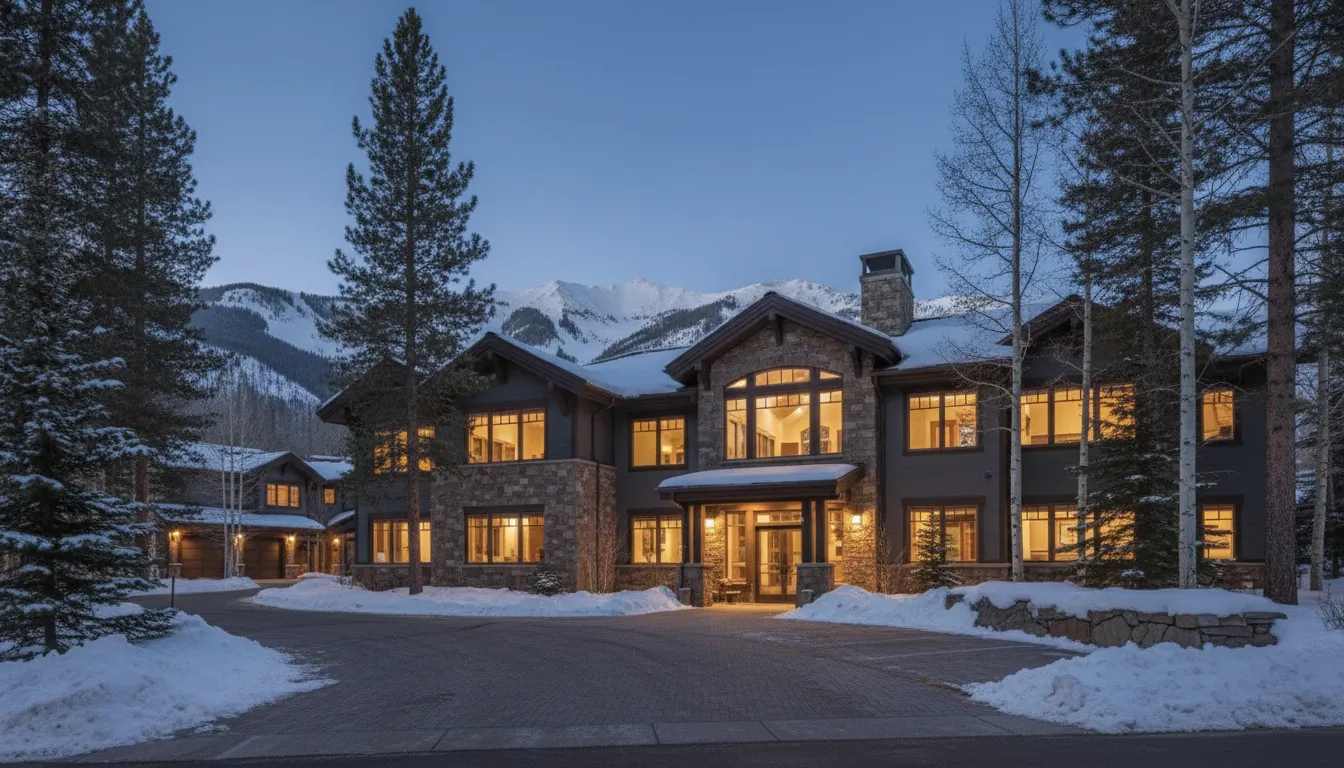
A fixed-rate structure may appeal to a buyer who values a more predictable payment profile. An adjustable-rate structure may be worth evaluating when the borrower's timeline, expected use, liquidity plan, and tolerance for future payment changes support that approach. Neither option is automatically preferable. The comparison should account for the full loan terms, the property's use, and the borrower's longer-term plans.
For a Canyons Village purchase, the review may also include association documents, insurance, rental or occupancy restrictions, and the property's condition. A lender can help connect those property details with the borrower's documentation and financing objectives before the buyer commits to a structure.
A smoother pre-approval begins with a clear picture of the property, its intended use, and the financial profile supporting the purchase. Organizing those three elements early gives the lender a more useful basis for discussing potential structures and documentation.
Start with the property itself. Note whether you are considering a condominium or another residence, how you expect to use it, and whether the association has rules that could affect occupancy or rentals. Review available HOA materials, insurance information, and any known assessments so property-specific questions surface before you are deep into the transaction.
Next, assemble a current view of your finances. That may include income records, asset statements, liabilities, and employment or business information. A standard salary-and-paystub profile is not the only scenario lenders evaluate. Stock compensation, irregular bonuses, business ownership, K-1 income, and 1099 income may require additional context and supporting records. Requirements vary, so ask which documents are relevant to your situation rather than gathering an unnecessarily broad file.
Then discuss the full scenario before choosing a structure. Share whether the home is intended for personal use, how you want to manage liquidity, and any timing or property details that could affect the review. A conversation with Utah second-home mortgage lenders can help you compare the questions each lender asks and identify what needs clarification.
With the property and documentation picture assembled, request a pre-approval based on your actual scenario. Treat it as a structured starting point, not a guarantee, because final terms and eligibility depend on lender guidelines, borrower information, and property review. The FAQ below addresses several practical questions buyers commonly raise at this stage.
Discuss your vacation home mortgage Canyons Village Utah scenario
Possibly, depending on the property, intended occupancy, borrower profile, and program fit. A mortgage application distinguishes a secondary residence from an investment property, so describe how you expect to use the home accurately. Confirm the structure with a qualified loan professional before making assumptions about eligibility or terms. FHFA's Uniform Residential Loan Application includes these occupancy categories.
Expect documentation to vary with your income, assets, and overall financial profile. A conventional application packet may include recent pay information, tax returns, bank statements, and records supporting the source of down-payment funds. Borrowers with stock compensation, business income, bonuses, or 1099 income may need additional documentation. The CFPB notes that requirements depend on the lender and the borrower's situation. Review the CFPB guidance and ask what applies to your scenario.
They can affect the property review. Before proceeding, examine the association's governing documents, insurance, dues, assessments, property condition, and any occupancy or rental restrictions. Rules differ among Canyons Village properties, so do not assume that one condo project's requirements apply to another. Your lender can help identify property details that require further review.
It may be relevant when the requested loan exceeds the applicable conforming limit, particularly for higher-value resort properties. Current limits, down-payment expectations, reserves, rates, and available fixed or adjustable structures vary by borrower, property, and lender guidelines. A scenario-specific review is necessary before determining which options may fit.
A Canyons Village property, your intended use, and your financial profile deserve a coordinated review before you choose a financing structure.
Talk to a vacation home mortgage specialist about your Canyons Village property
Loan options, rates, loan limits, down payments, reserves, documentation, and program availability vary by borrower, property, market conditions, and lender guidelines. CrossCountry Mortgage, LLC, NMLS #3029. Equal Housing Lender. This information is for educational purposes and is not a commitment to lend or tax, legal, or investment advice.