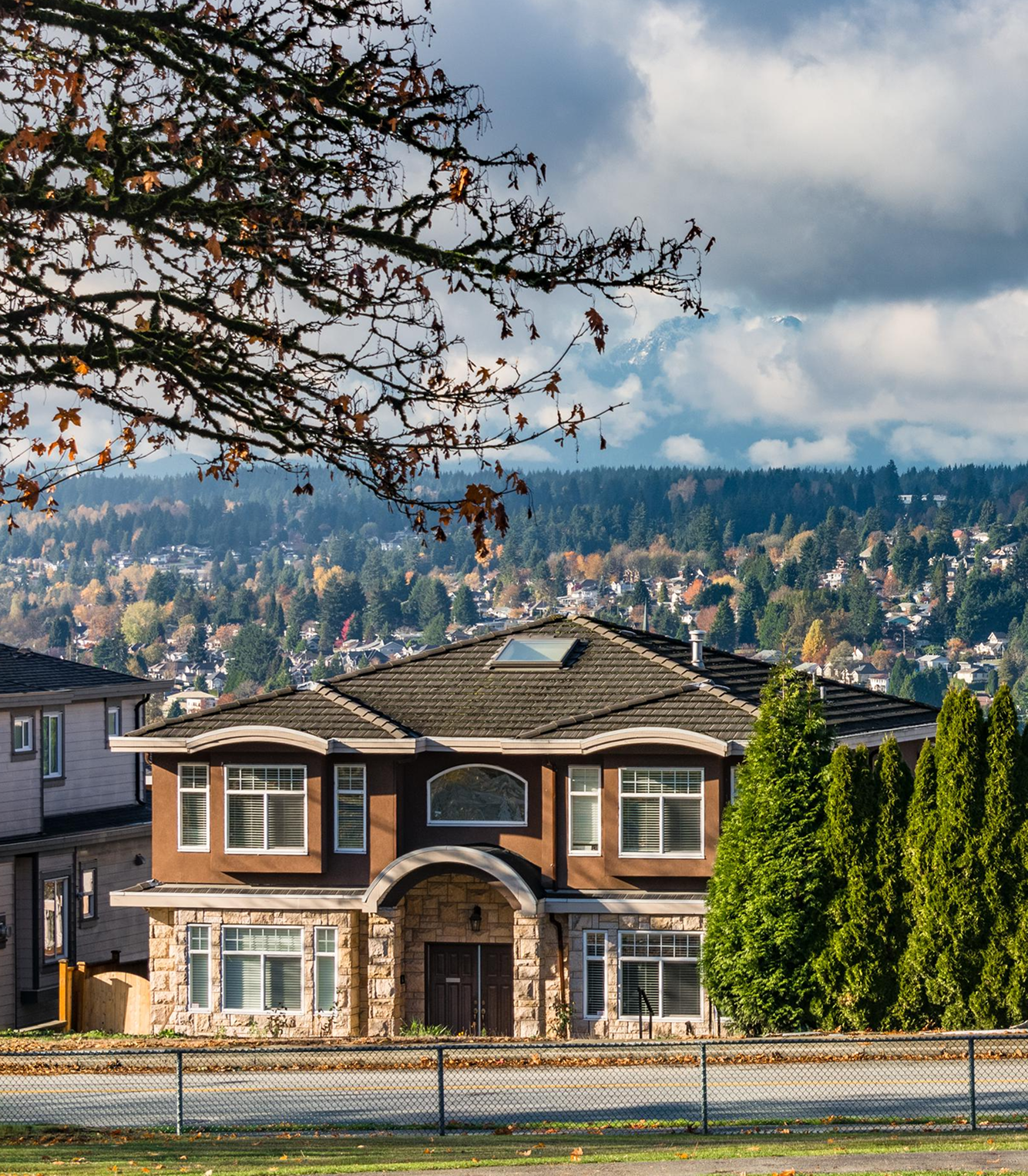


A vacation home mortgage Jeremy Ranch Utah buyers ask about starts with how you will use the house, not with a rate quote. Jeremy Ranch sits in the Snyderville Basin, in unincorporated Summit County, a short drive from Park City. Most buyers here already own a primary home somewhere else. They want a place for ski weeks, summer visits, and family holidays. That use is a second home. It is not the same file as a house you buy mainly to rent.
Talk through a Jeremy Ranch vacation-home file.
This guide covers the documents, occupancy facts, and property checks that belong in that conversation. It does not quote rates, promise approval, or tell you that a specific down payment will be accepted. Those answers depend on the full file, the property, and the program a lender can actually offer.
For most agency loans, a second home is a one-unit property you occupy for some part of the year. You keep exclusive control of it. It is suitable for year-round living. It is not a timeshare, and it is not under a rental-pool or property-management agreement that hands control to someone else. Fannie Mae states those rules in its occupancy-types guide.
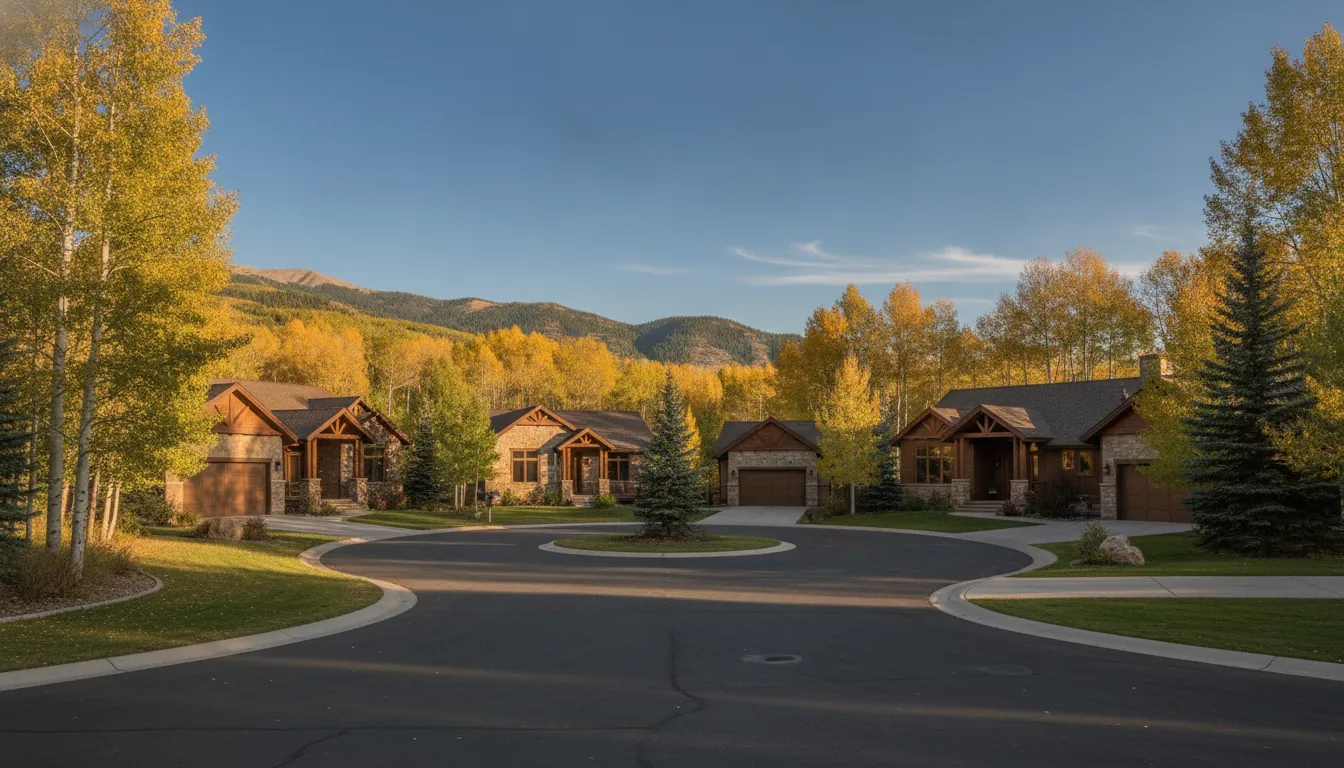
Jeremy Ranch fits that pattern for many buyers. The neighborhood is mostly single-family homes on quiet streets, with an owners association, trails, and quick access to Park City Mountain and Kimball Junction. People live here year-round, and visitors come for part of the year. A lender still has to see that your plan matches the occupancy box on the application.
Personal use is the heart of the second-home box. If you will sleep there, keep clothes and gear there, and control who comes and goes, say that plainly. If the plan is a full-season rental with a manager collecting the rent, that is a different product. Our guide to an investment property loan in Jeremy Ranch covers the rental-first path. This article stays with personal-use financing.
The broader Park City vacation home mortgage guide covers resort areas across the valley. Jeremy Ranch adds its own questions: an HOA, county rather than city rules, and homes that often price above a standard loan limit.
Bring a clean set of papers before you ask for a number. A lender can tell you what is missing. They cannot guess at income, assets, or how you will use the house. The list below is a starting point, not a promise that any one stack will be enough.

Do not send projected rent from the Jeremy Ranch house as qualifying income if you want the loan treated as a second home. If a lender sees rental income and uses it to qualify, the file can be pushed into an investment review. That review has its own down payment, reserve, and pricing questions.
Write the use plan in plain language. A good note is three or four sentences. Name who will stay there, which months you expect to visit, and whether anyone else has a right to book the house. Say whether you already own another Utah property.
Second-home rules also limit the property itself. It should be a one-unit home you control. A single-family house in Jeremy Ranch usually fits. A lock-off suite, a separate rental apartment, or a mandatory rental program may not. If the listing mentions either, flag it before you write an offer.
Occasional renting is a common question, and it is also where files get muddy. Fannie Mae allows a second-home delivery in some cases where rental income exists, but only if that income is not used to qualify and every other second-home rule is met. Lender overlays can be tighter than the selling guide. Ask the question directly instead of assuming a few ski weeks of rent are invisible.
County rules are a separate layer from the loan. Jeremy Ranch is in unincorporated Summit County, not inside Park City city limits. Short stays can require a county nightly-rental license, and only in zones where that use is allowed. The Jeremy Ranch Owners Association can be stricter than the county. Read the CC&Rs and the current rules on the association site at jrhoa.com before you count on any rental income. Our separate investment guide is the right place for a rental-first plan.
If you are still deciding between personal use and a rental, settle that before the application. Changing the occupancy box mid-file means new pricing, new reserves, and sometimes a new appraisal scope. The second home mortgage requirements page is a useful checklist for the personal-use side.
The house is part of the loan, not just the buyer. Ask for these items with the seller disclosures.
| Item. | Why it belongs in the file. | Where to get it. |
|---|---|---|
| HOA resale packet and CC&Rs. | Shows rental limits, dues, and any right of first refusal. | Seller, title, or the Jeremy Ranch Owners Association. |
| Well, septic, or water-company status. | Some Basin lots are not on a city utility. | Seller disclosures and the county health department. |
| Access and private-road maintenance. | Winter access and shared-road agreements can affect value. | Title commitment and HOA documents. |
| Bedroom and kitchen count. | A second unit can change occupancy and appraisal. | Listing, appraisal, and county records. |
| Recent comparable sales. | Jumbo reviews often ask for tighter comps. | Appraiser and your agent. |
| Insurance quote for a non-owner occupant. | A second-home policy is not always the same as a primary. | Your insurance agent. |
Summit County prices push many Jeremy Ranch purchases above the conforming loan limit. FHFA set the 2026 baseline limit for a one-unit property at $832,750, and the high-cost ceiling at $1,249,125. The agency publishes those figures in its 2026 conforming loan limit announcement. Whether Summit County uses the baseline or a higher local limit is a county-level fact to confirm for the year you apply. A price above the local limit is the usual reason a file moves to a jumbo loan.
Jumbo is a loan size, not an occupancy type. You can have a jumbo second home or a jumbo investment property. The occupancy choice still drives reserves, down payment, and which income the lender will count. Reserve expectations on larger loans are covered in our note on jumbo loan reserves. Treat any month-count you read there as a range lenders have used, not a quote for your file.
Compare paths by the question they answer. Do not compare them by a rate you saw online.
A practical way to choose is to write two versions of the use plan. Version A is personal use, with any rent incidental and not used to qualify. Version B is a rental, with you visiting when the calendar allows. Price both with the same lender, on the same day, against the same purchase contract. The payment gap is only useful next to the rules you would actually live with.
Cash buyers are common in the Park City area, and a financed offer can still compete when the pre-approval names the occupancy and the property type. A vague letter that says "buyer is approved" without those facts is weaker. Our Park City second-home buying guide walks through how buyers in this valley prepare an offer.
Use this order. Skipping ahead usually means rewriting the file after you are under contract.
Bring questions, not assumptions. Useful ones are: Will any rent on this house be ignored for qualifying? How many months of reserves do you need to see after closing? Does the HOA language conflict with second-home rules? Which loan limit are you using for Summit County? What would move this file from a second home to an investment property?
Rodrigo Ballon and the team at Utah's Mortgage Pro work with Park City and Summit County buyers on jumbo and second-home files. A property-specific conversation is the right next step once you have a contract draft or a short list of homes. You can start that conversation on the contact page.
Ask for a property-specific look at your Jeremy Ranch file
It follows how you use it. Personal use for part of the year, with you in control of a one-unit home, is the second-home pattern. Buying it mainly to rent is an investment file. Tell the lender the real plan. Misstating occupancy is a serious problem, not a paperwork detail.
Sometimes a second-home loan still allows limited rent, if the rent is not used to qualify and the rest of the second-home rules are met. The HOA and Summit County can ban or license short stays even when a lender would allow them. Get both answers in writing before you count on that income. Do not assume projected rent will be added to your qualifying income on a second-home file.
Often, yes, because many homes there sell above the conforming limit. For 2026, FHFA set the baseline one-unit limit at $832,750 and the ceiling at $1,249,125. The limit that applies to Summit County can differ from the baseline. Confirm the current county figure with your lender when you apply. A price under the limit can still be a jumbo if the program you need is not an agency product.
Plan on tax returns and a year-to-date profit-and-loss statement for a standard review. If returns do not reflect the cash flow you have, ask whether a bank-statement review is even available for a second home at this price. That option is not available on every file, and it is not a guarantee of approval.
No. A pre-approval is an early look at your income, assets, and credit. It is not a commitment, a locked rate, or a promise of any down payment, reserve level, or eligibility. The property, the appraisal, the HOA rules, and the final occupancy choice can all change the outcome.
CrossCountry Mortgage, LLC, NMLS #3029 and Equal Housing Lender. This article is general information for Utah buyers, not a commitment to lend, a rate quote, or tax, legal, or insurance advice. Loan approval, terms, down payment, and reserves depend on a full application, the property, and program guidelines in effect at the time you apply.